
Unbiased headlines. Facts, not spin.
Every story is an unbiased news briefing written from 110+ sources across the spectrum — sources linked so you can verify it yourself.
 health
Major Story (7/10)
Event date: September 17, 2026
health
Major Story (7/10)
Event date: September 17, 2026
NHS Trust Admits 20 Women Had Unnecessary Mastectomies, One Confirmed Death
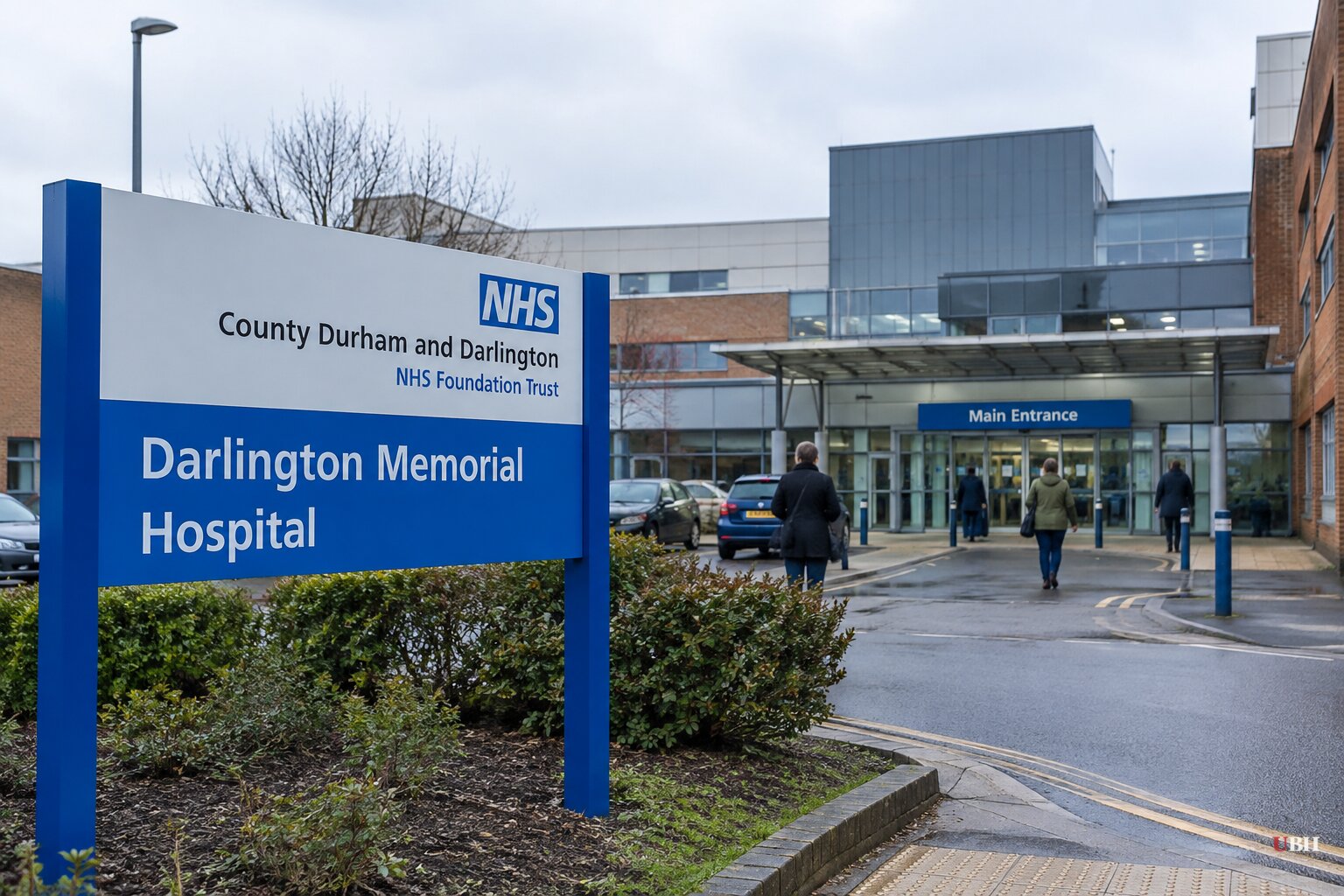
Twenty women had healthy breast tissue removed unnecessarily during cancer treatment at a hospital trust in north-east England, according to the BBC. The admission came from County Durham and Darlington NHS Foundation Trust (CDDFT), which runs the breast unit where the failures happened.
The women are among hundreds of patients the trust says came to harm. CDDFT is now reviewing breast cancer cases treated between January 2023 and February 2025, plus 640 former patients who came forward through a dedicated helpline set up after the BBC's earlier reporting last year exposed serious failures in the unit.
Of 514 cases reviewed so far, the trust found 315 patients suffered harm, according to the BBC. Seventy-seven of those were classified as significantly harmed. One patient is known to have died. The trust has also identified cases where cancer diagnoses were missed or delayed, and Steve Russell, CDDFT's newly installed chief executive, says some of those patients subsequently saw their cancer spread.
"Utterly Unacceptable"
Russell apologized "unreservedly" for the harm caused. "There are no words I could use to convey how personally distressed I am," he told the BBC. "What happened was utterly unacceptable."
An apology does not undo a mastectomy, and it does not answer why it took years of patient complaints and BBC reporting before the trust started counting the damage.
One Patient's Story
Denise Howarth, 51, from Consett in County Durham, is one of the women now told her mastectomy wasn't necessary. She was diagnosed with slow-growing grade 1 cancer in 2023 after finding a lump. She had a lumpectomy, then a full mastectomy, followed by eight rounds of chemotherapy and radiotherapy.
In September 2025, the NHS called to tell her a second lumpectomy could have been offered instead of removing the breast entirely. A follow-up letter from CDDFT confirmed that option was never discussed with her. "I was just in shock, then ended up in tears on the phone," Howarth told the BBC. She said the apology was "all good and well" but it won't bring her breast back.
The Scope Could Grow Fast
Right now the trust's review covers roughly two years, plus whatever patients self-report through the helpline. The BBC reports a decision is imminent on whether to extend that review back to 2015, which would mean reopening up to 10,000 medical records. If that happens, the current numbers—20 unnecessary mastectomies, 315 harmed, one death—could turn out to be a fraction of the real toll.
A question hangs over this story: is a decade of records showing a systemic failure the trust simply never caught, or did the scale of harm only become this visible once patients started demanding answers? Neither the BBC's reporting nor CDDFT's own statements settle that yet.
The National Crime Agency confirmed it is working with Durham Police to investigate allegations from former patients and determine whether criminal offenses occurred. No charges have been filed and no individual has been named as a suspect in the sources reviewed here.
The Call for an Independent Inquiry
Former patients have organized a support group and are calling for a full public inquiry, separate from the trust's own internal review. Their argument, as reported by the BBC, is straightforward: an organization investigating itself has an obvious incentive to manage the story, control the numbers, and limit its own liability. Patients want an independent body with subpoena power and no institutional stake in the outcome.
CDDFT's counter is that its internal review process—514 cases assessed, a dedicated helpline, cooperation with a criminal investigation—is already producing findings and driving accountability, including Russell's public apology. Both things can be true: the trust may be genuinely trying to fix this, and patients may still be right that an internal review from the same institution that caused the harm isn't good enough. The sources here don't resolve which view is correct, only that the two sides disagree.
What happens next depends on a single decision the BBC says is imminent: whether the review widens to cover 2015 onward. Until that call is made, and until the National Crime Agency's investigation produces findings, the full scale of harm at one of England's NHS breast units remains an open question.
Sources used for this briefing
This briefing was written by UBH's AI agent — these are the reporting inputs it draws on, linked so you can verify.


