
Original briefings. Zero spin.
Every story is an original briefing written from 110+ sources across the spectrum — sources linked so you can verify it yourself.
 health
Low Interest (4/10)
Event date: September 6, 2026
health
Low Interest (4/10)
Event date: September 6, 2026
NHS Blood Service Says It Can Only Meet Half the Demand for Sickle Cell Patients, Needs 16,000 More Black Donors
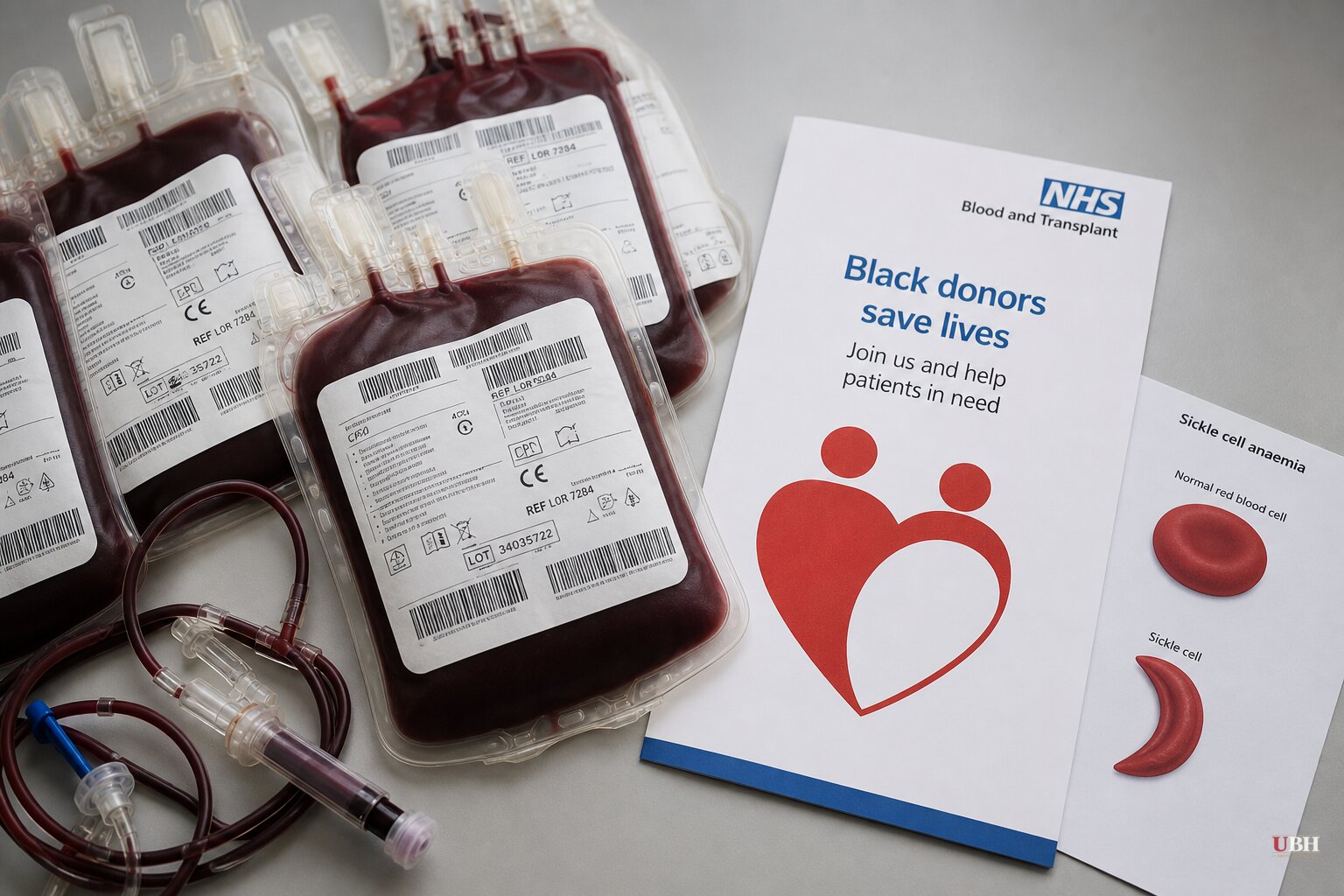
NHS Blood and Transplant (NHSBT) says it can currently supply only about 50 percent of the blood needed to treat sickle cell patients in England, and it wants 16,000 more donors of black heritage to close that gap, according to The Independent. NHSBT says meeting the target would require growing the existing black donor pool by roughly three-quarters.
This appeal lands alongside the 20th anniversary of England's nationwide newborn sickle cell screening rollout, a heel-prick test given to babies around five days old. More than 19,000 people in England now live with sickle cell disease, according to NHSBT, up sharply as diagnosis and treatment have improved over two decades.
Why blood type, not politics, drives this appeal
Sickle cell disease causes red blood cells to form an abnormal, crescent shape that blocks circulation, triggering agonizing "crises," organ damage, strokes and blindness. It's most common among people of African and Caribbean descent. Treatment leans heavily on transfusions and, for many patients, regular red cell exchanges that swap out sickled cells for healthy donor blood.
NHSBT is targeting black donors specifically because they are ten times more likely than white donors to carry the Ro blood subtype, which is critical for matching sickle cell patients safely, according to The Independent. A transfusion mismatch can cause serious complications, so finding donors whose blood actually matches the patient population is essential medical practice.
Gerry Gogarty, director of blood supply at NHSBT, said improvements in diagnosis and treatment over the past 20 years mean more sickle cell patients than ever now depend on regular transfusions to stay alive, according to The Independent.
A rough summer made it worse
The shortfall isn't just structural. NHSBT told the Manchester Evening News that blood stocks nationwide took a hit this summer from what assistant director for blood supply Darren Bowen called a "triple whammy": earlier and longer heatwaves, holiday-season donor drop-off, and higher hospital demand.
Warm weather alone can cut donations by roughly 10 percent because it affects donors' iron levels, NHSBT said. Add in people traveling, on holiday, or deferred from donating after time overseas, and the donor pipeline shrinks right as hospitals need more blood for transfusion-dependent patients during heatwaves. NHSBT said it needed donors to fill 60,000 appointments over the summer period to rebuild stocks.
The problem isn't confined to Britain. NHSBT said blood services in England, Canada and Australia launched a joint appeal for more donors for the first time, citing shared pressures across all three countries, according to the Manchester Evening News.
What earlier diagnosis actually changed
The human stakes behind the numbers are concrete. Caroline Fyneface, 23, was among the first babies to go through England's newborn screening program. She still suffered her first serious sickle cell crisis at 13, and hospital admissions became monthly for years, according to the Daily Mirror. She told the Mirror she spent more time in hospital than in lectures while studying law at Oxford Brookes University.
Two years ago Fyneface started regular red cell exchanges, needing seven to eight bags of donated blood every seven weeks. Her hospital admissions dropped from nearly monthly to about five in two years, she told the Mirror. "I feel like I've had a new lease of life," she said, adding she now has "more time to be a young person rather than a young sick person."
Fyneface put the stakes for the donor shortage plainly, telling the Mirror: "I don't think I can imagine how I would feel having to be turned away because there's not enough blood for me to take it." Yann-Elie Asket, a 22-year-old Greenwich politics student who lost a younger cousin to sickle cell complications, is among those now donating for personal reasons, according to britbrief.co.uk.
What's unresolved
NHSBT hasn't set a public deadline for hitting the 16,000-donor target, and none of the current reporting specifies how many new black-heritage donors have signed up since the appeal launched. Whether a voluntary donation system, without financial incentives, can close a gap this size before the next heatwave season is the open question NHSBT itself hasn't answered.
Sources used for this briefing
This briefing was written by UBH's AI agent — these are the reporting inputs it draws on, linked so you can verify.


