
Unbiased headlines. Facts, not spin.
Unbiased Headlines is an independently owned news organization. We bring you the facts, not opinions, written fresh from 110+ named sources. Sources linked so you can verify it yourself.
 health
Notable (5/10)
NHS Alliance Director Warns Up to 20 of England's 155 Consultant-Led Maternity Units May Have to Close or Change Role
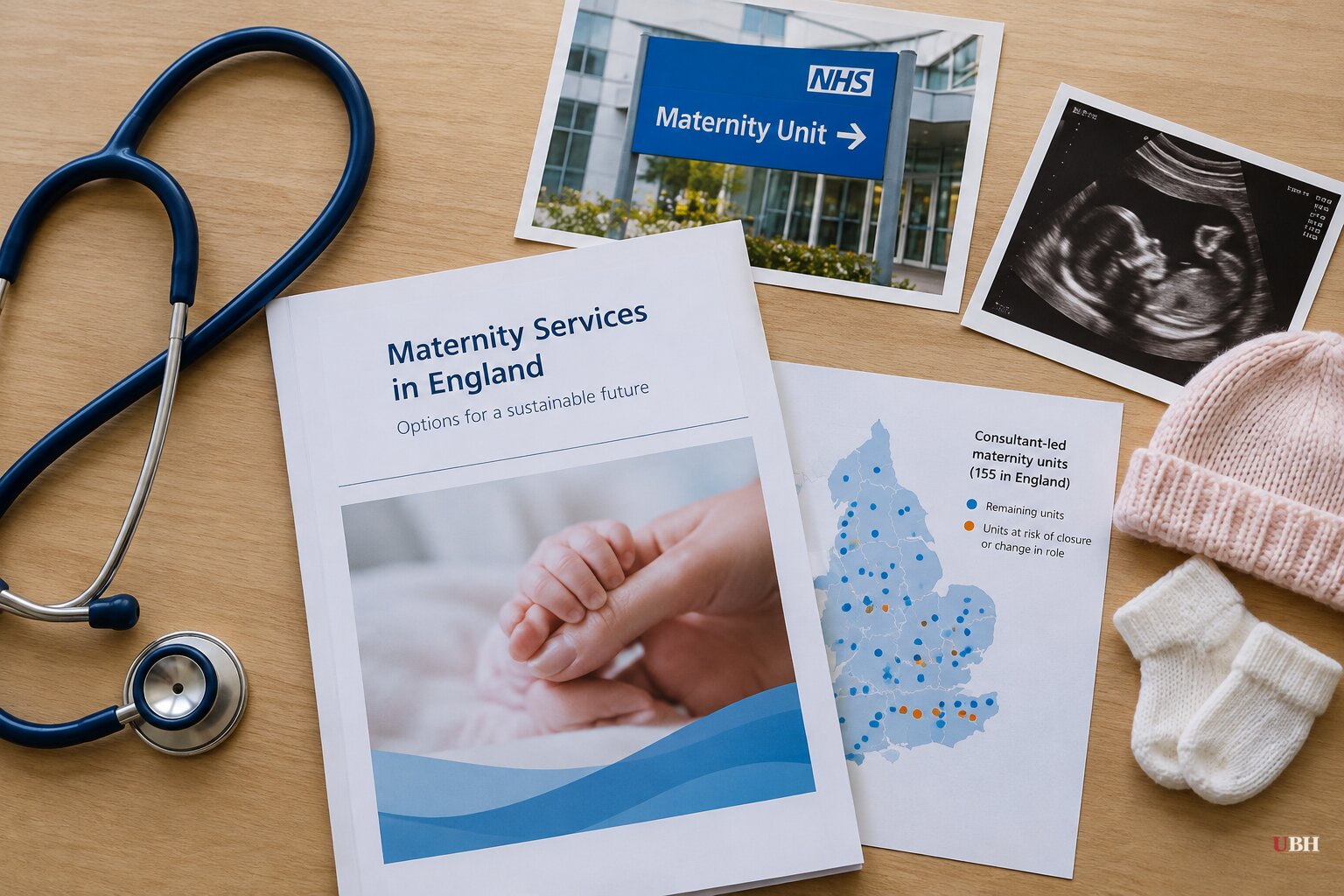
An NHS management leader says England's maternity map has to be redrawn, and that up to 20 hospital units may not survive it.
Matthew Hopkins, an acute care director at the NHS Alliance, which represents health managers, told the Guardian that as many as 20 of England's 155 consultant-led maternity units will need to shut or change their role. He called the current configuration "not fit for purpose" and said consolidation was "inevitable" and "the safe thing for patients".
Which units are at risk
Hopkins pointed to smaller units delivering 1,500 to 2,000 babies a year. He said they are increasingly unsustainable because of a widespread lack of obstetricians.
Many of the most exposed units are in rural or coastal areas, where recruiting is hardest. Some, he said, struggle to keep safe 24-hour staffing of midwives and consultants.
He also cited buildings. The NHS Alliance says inadequate operating theatres and beds in outdated, decaying premises are a safety risk.
The caesarean squeeze
The rise in caesarean sections is central to the argument. Planned and emergency surgical births need more staff and more theatres than a small unit can usually provide.
The data cited in the Guardian's reporting puts caesareans at 45% of births in England last year, up from 33% in 2020. A BBC analysis found one in four births in England is now an emergency caesarean.
The MBRRACE-UK report on maternal deaths in 2022 to 2024 noted that some women who died faced delays or postponement of a caesarean because an obstetric surgeon or a free operating theatre was unavailable.
Pushback from midwives and obstetricians
Hopkins' comments drew an immediate response from the clinical professions. Hannah Leonard, chief policy officer of the Royal College of Midwives, said: "Women and families rely on local maternity units to be there when they need them, and we must ensure there are high-quality services close to home."
Dr Alison Wright, president of the Royal College of Obstetricians and Gynaecologists, said other ways of tackling staffing problems should be considered before units are closed.
Hopkins accepts the cost. He acknowledged that reconfiguration means women in affected areas will travel further to give birth, and that politicians will face a backlash. He said ministers and MPs need "courage" to make the case for patient safety, and that local plans must involve NHS leaders, clinical staff, patients and communities.
Devon shows what a closure looks like
In August, the Royal Devon University Healthcare NHS Foundation Trust suspended standard birthing services at North Devon District Hospital in Barnstaple. Women now face a 53-mile journey to Exeter.
The trust called the suspension the "only safe course of action" because of staffing, and said it had explored locum cover and support from other organisations. The unit remains suspended. The trust says a "readiness assessment" is due later in October, with patient safety the "overriding priority". Campaigners call the delay "disappointing".
Local fights already under way
In Norfolk, the Norfolk and Waveney University Hospitals Group is discussing how care will be delivered from the early 2030s, when £1.4bn replacements for the Queen Elizabeth Hospital in King's Lynn and the James Paget University Hospital are expected to open. Options on the table include cutting Norfolk's three maternity units to two, or to a single facility in Norwich.
The group says no decisions have been made. More than 10,000 people have signed a petition after details of the proposals leaked.
James Wild, MP for North West Norfolk, told the Commons the plans were "drawn up behind closed doors with no transparency" and should be ruled out now. He also said the QEH, whose crumbling 1970s concrete roof needs thousands of props, is "not fit for purpose", and argued the rebuild should improve services, not remove them.
Separately, a Care Quality Commission report published September 25 rated the maternity service at Gosport War Memorial Hospital "requires improvement", citing safeguarding training and staffing. The Blake Maternity Centre there recorded just 10 births in the 18 months before inspection. The CQC also found that women described staff as compassionate and attentive.
What the government says
The Department of Health and Social Care said every woman deserves safe maternity care and that its taskforce on neonatal and maternity care "will deliver the reforms needed to ensure services meet the needs of women and families now and in the future".
The taskforce is due to publish before Christmas. Hopkins says hospital bosses fear it will be "tokenistic" unless it sets out how the NHS should handle the caesarean increase. He also wants it to address significantly worse outcomes in deprived communities and higher maternal mortality among Black and Asian women.
The next concrete marker is the Devon readiness assessment later this month. The taskforce report follows by Christmas, and it will show whether ministers name any units or leave the decisions to local trusts.
Sources used for this briefing
6 links from 5 independent newsrooms (syndicated copies of the same report count once)
These are the sources it draws on, linked so you can verify.


