
Original briefings. Zero spin.
Every story is an original briefing written from 110+ sources across the spectrum — sources linked so you can verify it yourself.
 politics
Notable (6/10)
August 24, 2026 at 08:15 AM
politics
Notable (6/10)
August 24, 2026 at 08:15 AM
New Zealand Proposes Banning Kids Under 16 From Social Media, But Luxon's Own Coalition Won't Back It
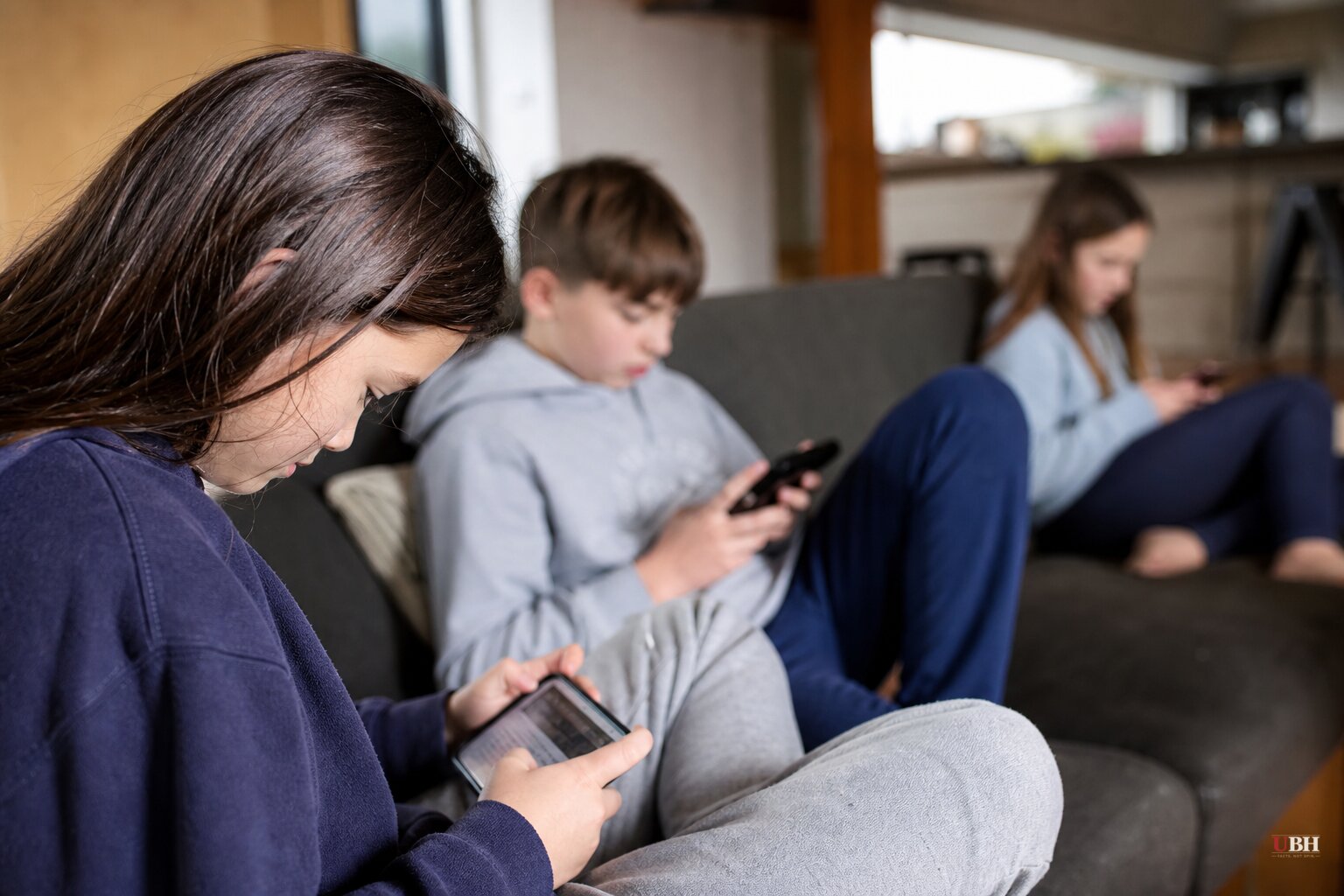
New Zealand Prime Minister Christopher Luxon introduced a bill in Parliament on Monday, August 24, that would ban children under 16 from using social media platforms, according to Reuters and the Associated Press. Platforms that fail to verify users' ages face fines of up to 10% of their global revenue, or roughly NZ$2 million ($1.2 million) under an earlier estimate cited by Breitbart.
"We simply cannot accept the harm being done to a generation of New Zealand children," Luxon said in a statement. "Social media is exposing them to harmful content, addictive technology and pressures they are not equipped to deal with and it's affecting their family life, mental health, sleep and education."
The bill would require platforms including Instagram, TikTok, Snapchat and Facebook to take "reasonable steps" to verify a user's age, using tools like existing account data, facial age estimation, digital ID services and formal identification, according to material Luxon's National Party supplied and reported by the Associated Press. WhatsApp, Roblox, and productivity-focused AI tools like ChatGPT, Gemini and Copilot are carved out of the ban. No penalties are proposed for parents or kids who slip through.
Luxon cited 2025 research showing a third of New Zealand teenagers spend at least five hours a day on social media. This figure is the core justification driving the bill.
The math doesn't work, at least not yet
Luxon's own coalition won't vote for it. New Zealand First, led by Foreign Minister Winston Peters, has flatly said it will oppose the bill. ACT, the libertarian party in the three-way coalition, is also against it. That's two of three coalition partners voting no on their own government's bill.
Peters didn't hold back. He called Australia's under-16 social media ban, which took effect in December 2025, a "colossal failure," and warned that New Zealand's proposal sets the country on a "slippery slope."
"We have been concerned with the proposed legislation and the direction and slippery slope that legislation like this will inevitably take our country," Peters said on X, as reported by the Guardian and Reuters. Peters argued that keeping kids off social media is a parenting job, not a government one.
That's a fair point. Government age-verification mandates require platforms to collect facial scans or ID documents from every user, not just minors, to prove who isn't a minor. That's a real privacy tradeoff, and Peters isn't wrong to flag it as a precedent-setting expansion of state power over how people access the internet.
Without NZ First or ACT, Luxon needs opposition votes to pass anything. Labour, the largest opposition party, hasn't said which way it will vote, according to the Associated Press and the Independent. Bills in New Zealand require three rounds of voting, typically spread over months, before becoming law.
There's an even bigger wrinkle. Parliament dissolves on October 1 ahead of a November election, and Luxon himself acknowledged there isn't enough time for a vote before then. This bill, as introduced, is dead on arrival for the current parliamentary term. Luxon is explicitly framing this as something he'll pursue "if reelected," per the Associated Press. This is a campaign plank dressed up as legislation, not an imminent law.
Following Australia's lead, sort of
New Zealand would be following Australia, which became the first country to ban social media for under-16s in December 2025, cutting off access to TikTok, YouTube, Instagram and Facebook, according to the Associated Press and Channel NewsAsia. Beyond Australia, other countries including France have moved on similar restrictions, and nations from Indonesia to Vietnam are weighing their own versions, based on reporting picked up by Japan Today.
Whether Australia's law actually worked is contested. Peters calls it a failure. Supporters point to it as the model. Neither claim is independently verified by data in the reporting here. It's a policy less than a year old, and there's no cited study confirming outcomes either way.
What's actually at stake
Luxon isn't hiding the ball on how hard this would be to enforce. "I won't pretend that it will be simple or that it will be perfect," he said at an event covered by Reuters and the Guardian. "We won't get every single child off social media. Some will always find ways around it, but frankly, it's just way too important not to at least try."
That's an honest admission from a politician, which is rarer than it should be. But it also underscores the real question voters and lawmakers face: is a law that can't fully stop the behavior it targets, that fractures your own governing coalition, and that hands tech platforms a mandate to verify everyone's age, worth the tradeoff? New Zealand won't answer that question until after November's election, and only if Luxon's National Party wins enough seats to reshape who's actually in his coalition.
Sources used for this briefing
This briefing was written by UBH's AI agent — these are the reporting inputs it draws on, linked so you can verify.


