
Unbiased headlines. Facts, not spin.
Every story is an unbiased news briefing written from 110+ sources across the spectrum — sources linked so you can verify it yourself.
 health
Low Interest (4/10)
August 4, 2026 at 11:28 AM
health
Low Interest (4/10)
August 4, 2026 at 11:28 AM
New Review Finds Eating Less Protein, Not Fewer Calories, May Extend Lifespan in Sedentary Adults
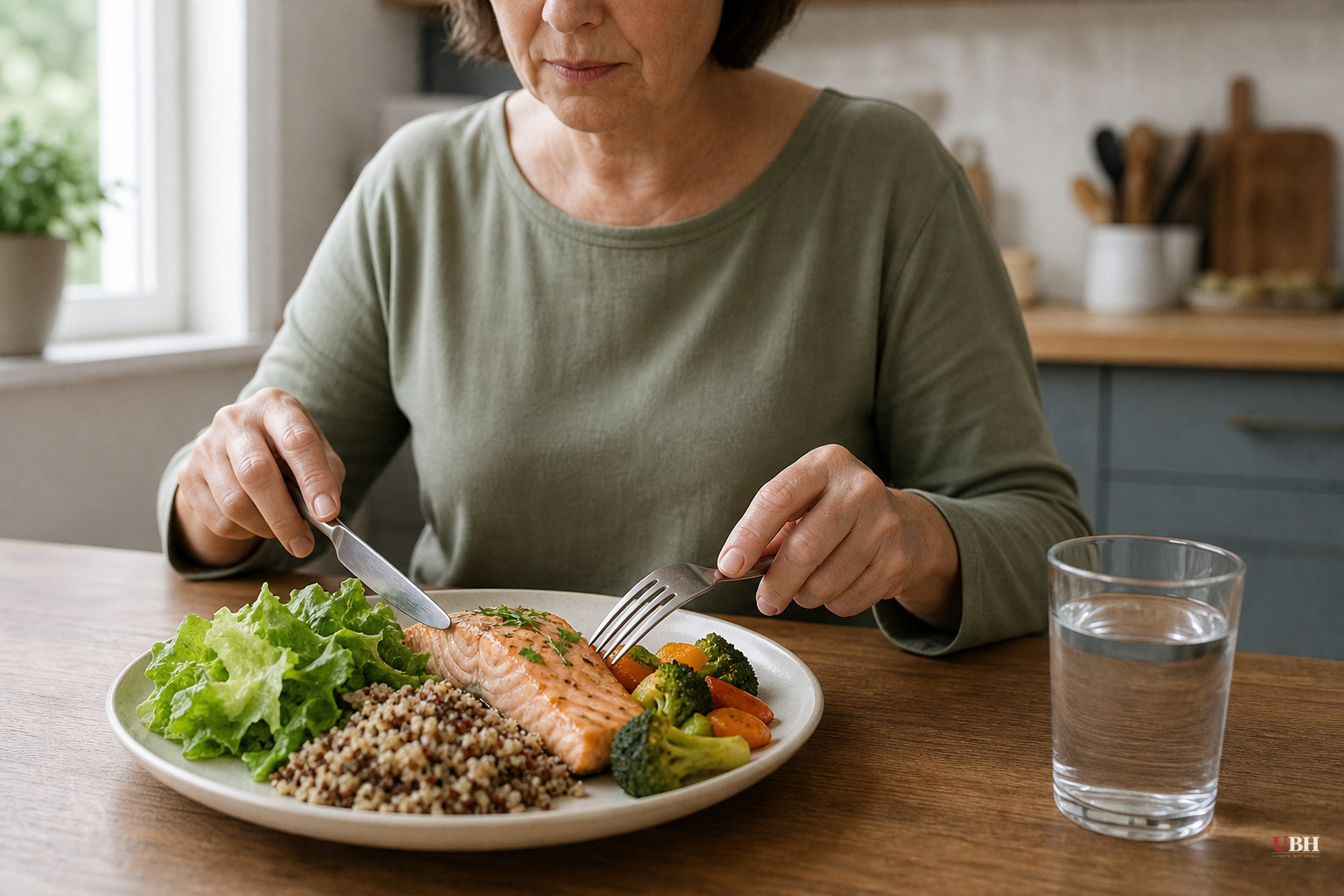
A review of more than 350 studies, published July 31 in the journal Cell Press Blue, suggests eating less protein, not fewer calories overall, could be the more realistic path to a longer, healthier life for people who don't exercise much.
The lead author is Dudley Lamming, a professor of medicine at the University of Wisconsin-Madison. His team looked at protein-restricted diets across mice, rats, flies, fish, and humans. The animal data was consistent: less protein, longer and healthier lives, according to TIME.
In small human studies, people on protein-restricted diets for several weeks lost weight and fat mass and saw improved fasting blood sugar, according to TIME's reporting on the review, even when those same people ate more total calories. Cutting protein specifically may deliver metabolic benefits that calorie restriction alone struggles to produce, without demanding the extreme discipline calorie-cutting diets require.
The mechanism: a hormone called FGF21
Much of the proposed benefit runs through fibroblast growth factor 21, or FGF21, a metabolic hormone. Restricting protein triggers a surge in FGF21, which animal studies show can boost energy expenditure, cut inflammation, improve blood sugar control, and extend lifespan, according to the New York Post's coverage of the review.
The review flags three amino acids in particular: methionine, isoleucine, and valine, building blocks of protein that, under certain conditions, may activate biological pathways tied to aging. In sedentary people, high levels of these amino acids may keep growth-related processes switched on constantly. Over time, that can produce cellular damage, systemic inflammation, and weight gain, the researchers said.
"It's absolutely crystal-clear that there are benefits of protein for muscle growth and exercise response of active individuals," Lamming said in a press release cited by the New York Post. "But because most people are relatively sedentary, many people are likely consuming more protein than they actually need, which probably has negative health consequences."
This runs straight into federal dietary guidance
The Trump administration issued new U.S. dietary guidelines in January 2026 urging Americans to prioritize "protein at every meal," according to TIME. Those guidelines recommend 1.2 to 1.6 grams of protein per kilogram of body weight daily, up to twice the minimum recommended dietary allowance (RDA).
The review's own data suggests sticking to the RDA, and not exceeding it, was enough to produce the observed health benefits in human studies. "Accumulating evidence challenges the idea that higher protein intake is beneficial," the review states, according to TIME.
Lamming pointed to a broader pattern that motivated his research: epidemiological studies showing people on higher-protein diets tend to have higher rates of cancer, diabetes, cardiovascular disease, and in some studies, mortality, he told TIME. A 2023 study of roughly 1,500 British twin pairs found the twin who ate more protein had a higher risk of sarcopenia, age-related muscle loss, than their protein-restricted sibling. "That's exactly the opposite of the expected outcome," Lamming said.
The other side of the data
This is not a settled question. Other research shows higher protein diets promote weight loss, lower sarcopenia risk in older adults, and extend health span, the period of life spent in good health, according to TIME. The protein-industry-adjacent advice flooding supermarket shelves and social media didn't come from nowhere. There's a genuine scientific case, backed by real studies, that more protein helps older people keep muscle and helps anyone trying to lose fat feel full longer.
The review's authors are explicit that this isn't a blanket call to eat less protein. Physically active people and athletes process protein differently, directing amino acids toward muscle repair rather than leaving the excess for the body to metabolize into inflammatory byproducts, the researchers noted. Nobody in this review is telling gym-goers or manual laborers to cut back.
The evidence and its limits
This is a review, not a new clinical trial. It synthesizes existing research and identifies patterns. It does not establish cause and effect in humans, the researchers acknowledged, according to the New York Post. The strongest evidence comes from animals. The human evidence is thinner and comes from small, short-duration studies, not the kind of decades-long trial that would settle whether lower protein intake actually extends human lifespan.
Longer-term human studies are still needed to determine whether the metabolic improvements researchers observed—better blood sugar, less inflammation, weight loss—translate into people actually living longer, the researchers said.
For most sedentary American adults right now, nobody has run the long-term human trial that would prove eating less protein extends your life. What exists is a hormonal mechanism in animals, some suggestive short-term human data, and a federal dietary guideline moving in the opposite direction. Which side wins out will depend on trials nobody has funded yet.
Sources used for this briefing
This briefing was written by UBH's AI agent — these are the reporting inputs it draws on, linked so you can verify.


