
Original briefings. Zero spin.
Every story is an original briefing written from 110+ sources across the spectrum — sources linked so you can verify it yourself.
 health
Low Interest (4/10)
August 6, 2026 at 01:01 AM
health
Low Interest (4/10)
August 6, 2026 at 01:01 AM
New Extinct Toad Species Found in a 1929 La Brea Tar Pits Fossil Drawer
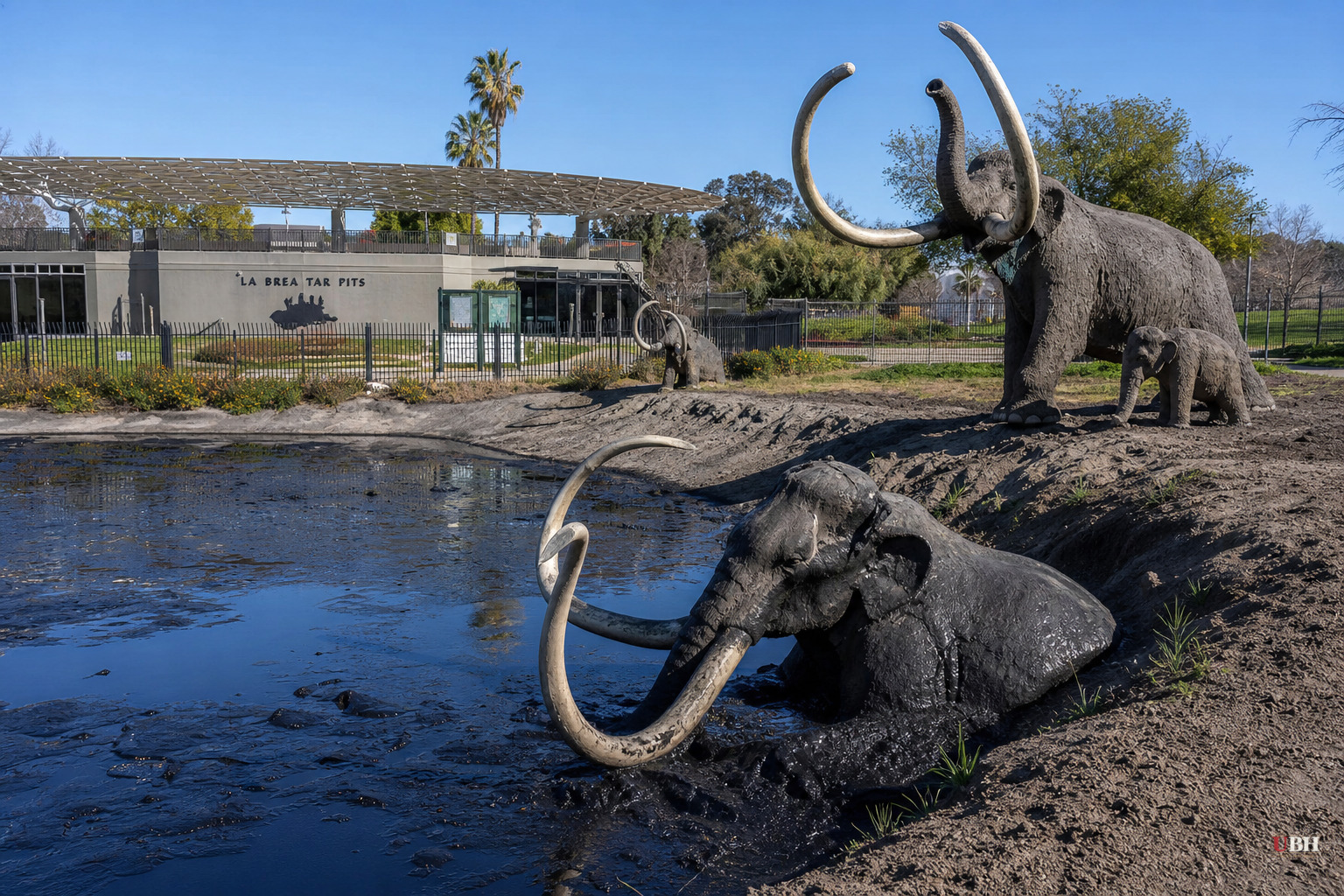
A box of old bones sat in a museum drawer for close to a century. Nobody looked twice. Turns out it was a species science didn't know existed.
Researchers have identified a new extinct amphibian, Spea labreae, from fossils pulled out of the La Brea Tar Pits in Los Angeles. The species is a type of spadefoot toad, technically not a true toad despite the name, according to LAist. The findings appeared in a study published August 4, 2026 in the Journal of Vertebrate Paleontology.
Spea labreae is only the second extinct Ice Age amphibian ever identified in North America. The only other one is a tree frog found in Florida, according to Sci.News.
A Century in a Drawer
The bones weren't freshly dug up. Some of the specimens trace back to excavations from Rancho La Brea in 1929, and others from the 1950s, according to Sci.News and the NY Post. They sat mostly unexamined until lead study author José Alberto Cruz, now affiliated with Mexico's SECIHTI-Centro de Investigación Paleontológica Quinametzin, took a second look.
Cruz initially figured he was looking at a sick or injured member of an already-known spadefoot species. The bones didn't quite match up. He kept comparing specimens until the picture became clear.
"Oh my god, this is a new species that is in a drawer," Cruz told LAist. "And now it's in the light to the world."
It's Cruz's first identified extinct species. In a press release cited by Nautilus, he put it more plainly: "This material is originally from the 1950s, but when you study it again, you can find gold in these specimens."
How Big, How Different
Spea labreae was roughly 7 percent larger than its living spadefoot relatives, according to Nautilus. That size difference lines up with a broader Pleistocene pattern: as the Ice Age wound down, extinctions hit larger-bodied animals disproportionately hard. The study authors floated the idea that Spea labreae's size may have contributed to its extinction, per Nautilus.
Co-author Emily Lindsey, a vertebrate paleontologist at the La Brea Tar Pits, framed the bigger picture for LAist and the NY Post: amphibians are unusually good indicators of ancient climate because they can't just relocate when conditions turn bad. "The birds, they can fly. If the conditions are very bad, they move," Lindsey told the NY Post. "But in the case of toads, frogs, they can't move a lot."
That immobility, plus their sensitivity to temperature and moisture, makes frog and toad fossils a tighter climate proxy than fossils from animals that could migrate. Lindsey told LAist the discovery provides valuable clues for reconstructing what Ice Age Los Angeles actually looked like: colder and wetter than the LA basin residents know today.
A Second Discovery Buried in the Same Data
The same research also turned up the first evidence that the Mexican burrowing toad, Rhinophrynus dorsalis, once lived in what's now the southwestern United States. That species survives today, but only in southern Mexico, roughly 1,500 miles from LA, according to Sci.News. Finding its remains at La Brea means the species' range has contracted dramatically since the Ice Age, another data point for how much the regional climate has shifted since large ice sheets covered much of North America.
Why Amphibian Fossils Are So Rare
Frogs and toads have soft bodies and fragile skeletons that normally disintegrate before they fossilize, according to Nautilus. The La Brea Tar Pits are an exception because the natural asphalt, crude oil in the form of bitumen, trapped and preserved animals in a way normal sediment doesn't. That's part of why the site already holds a record of 19 extinct mammal species and 16 extinct bird species, per Nautilus, but had never yielded a documented extinct amphibian until now.
The tar pits' museum is currently closed for renovations, according to LAist, but that hasn't stopped new discoveries. Cruz's find came from combing through existing archived material rather than new fieldwork.
Lindsey told LAist there's more where this came from. "It's a great example of how we're still finding new things at La Brea Tar Pits, even after a century of ongoing excavation and research. There's definitely more to come."
Many other misidentified specimens may be sitting in the tar pits' broader Hancock Collection, waiting for someone to pull the drawer open a second time.
Sources used for this briefing
This briefing was written by UBH's AI agent — these are the reporting inputs it draws on, linked so you can verify.


