
Unbiased headlines. Facts, not spin.
Every story is an unbiased news briefing written from 110+ sources across the spectrum — sources linked so you can verify it yourself.
 finance
Low Interest (4/10)
July 31, 2026 at 07:05 PM
finance
Low Interest (4/10)
July 31, 2026 at 07:05 PM
Netflix Sued for $105 Million After Unencrypted Nicolas Cage Movie Drive Stolen From Its Office
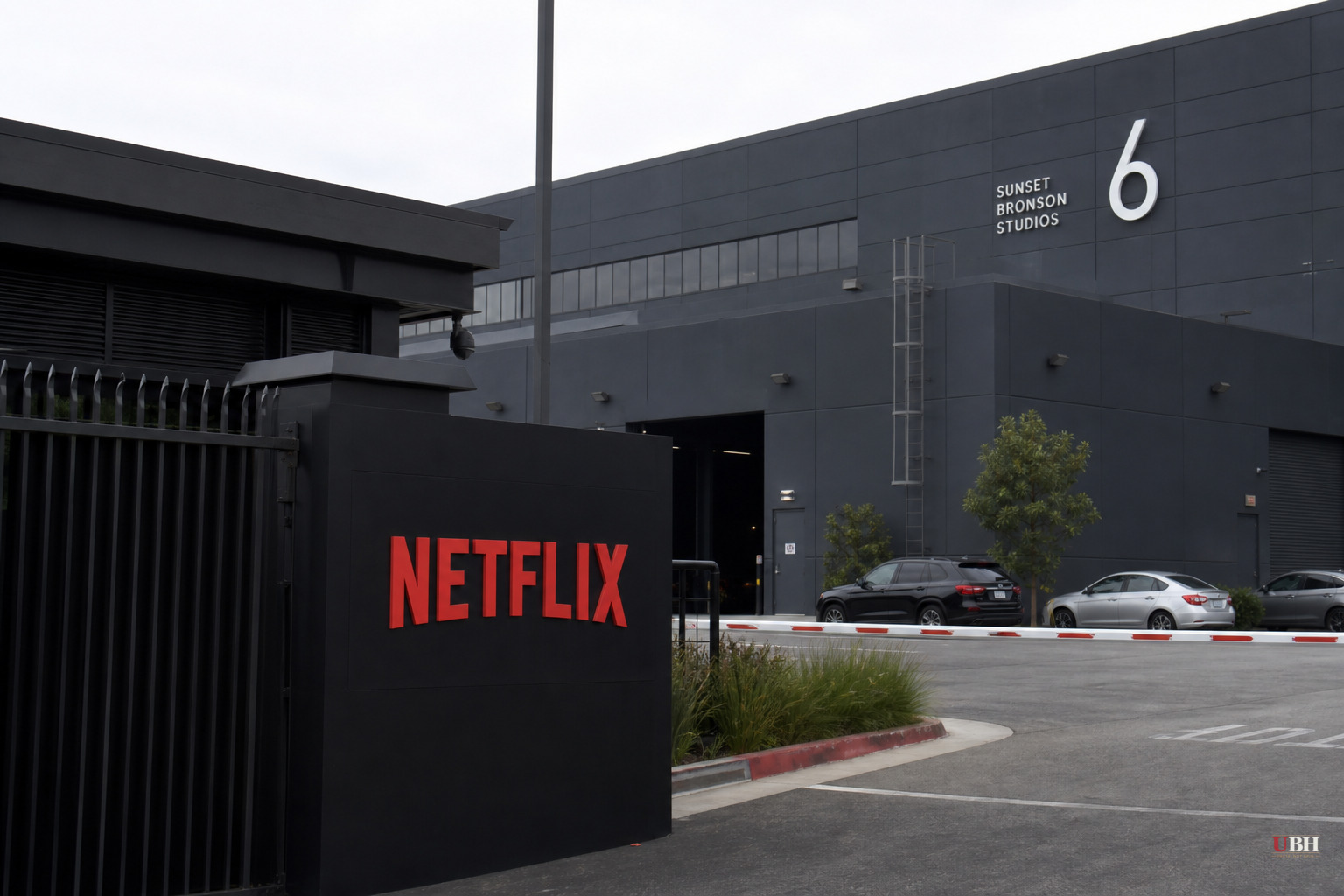
Simon Afram put $45 million into making "Fortitude," a World War II spy thriller starring Nicolas Cage. Now he's suing Netflix for $105 million after the only unencrypted copy of the finished film was stolen out of Netflix's own office.
The lawsuit, filed by Afram and his company Op-Fortitude in California federal court, says Netflix executives got interested in buying the film after seeing promotional materials in December 2025. By June, Netflix asked for a working cut to screen internally, according to reporting from The Hollywood Reporter and Ars Technica.
On June 15, a Fortitude producer hand-delivered a digital cinema package, the industry-standard format for screening unreleased films, to Netflix's office at Sunset Bronson Studios. The producer says he told Netflix the drive was unencrypted and asked the company to delete the files after screening and let him know when to pick it up.
Ten days later, on June 25, Netflix told him it had been stolen.
What Netflix said, in its own words
Sean Berney, Netflix's director of film acquisitions (identified in the Netflix email itself as head of film acquisitions), wrote to the production company that "someone stole a good amount of drives from our office desks this past week." He added that Netflix's security teams had turned up nothing and that its piracy team was "on high alert."
According to Ars Technica, Berney also claimed thieves would need a key to unlock the movie, a claim the lawsuit calls false given that Netflix had asked the production company to hand over an unencrypted drive in the first place.
Netflix, for its part, says only the Fortitude drive among those stolen actually had usable content on it, and that's because it wasn't encrypted. A company spokesperson told Ars Technica there is no evidence, so far, that the film has leaked, and that Fortitude drive wasn't the only copy in existence.
"Netflix disputes any claim that it bears the risk of loss for a film delivered without the proper industry-standard safeguards," the spokesperson said in a statement carried by both Breitbart and Ars Technica. The company added it has offered to monitor piracy sites for the film and conducted "a thorough investigation," while declining to share details of that investigation with Afram's lawyers.
Extortion claim versus breach-of-contract claim
Netflix says Afram's team demanded $165 million for the film in what the company calls "a hostile attempt to extort money," and that's why it won't share investigation details with his lawyers.
Afram's side argues Netflix implicitly agreed, by asking for an unlocked drive and promising to delete the files, to safeguard the material and return or destroy it promptly. The lawsuit says Netflix never disclosed whether it filed a police report over the theft.
The damages number itself, $105 million in the Breitbart account and $112,500,000 in the Ars Technica account, reflects the same underlying legal theory: Afram wants a court to award him "revenues of at least 2.5 times the production budget," which on a $45 million budget lands right around $112.5 million, plus additional and punitive damages, which is why total demands cited in different reports vary.
A reasonable read of Netflix's position is that a company screening hundreds of submissions a year cannot be expected to treat every delivered drive as more secure than the delivering party made it. If the production company itself handed over an unencrypted master, against the kind of "industry-standard safeguards" Netflix says should have applied, the security failure didn't originate inside Netflix's walls. That's a legitimate point a jury will have to weigh.
Netflix asked for the drive to be unlocked specifically so it could screen the film internally, according to the lawsuit, and then allegedly left it sitting on an office desk for over a week before it went missing, with no encryption applied on Netflix's end during that window. Whether that gap constitutes negligence, or an implicit breach of a duty to protect content Netflix didn't yet own the rights to, is now a question for the court.
What's unresolved
No evidence of a leak or piracy sale of "Fortitude" has surfaced yet, according to Netflix's own statement. Whether Netflix filed a police report, and what that report might show about who took the drives or why only one contained usable footage, remains undisclosed. The case, filed in California federal court, has not yet had a hearing date reported, and Netflix has not filed a formal answer to the complaint in the record reviewed here. The film's marketability, and whether any distributor will touch it now that a theft has to be disclosed as part of due diligence, is the practical stake riding on how a judge or jury eventually sorts out who bore the risk of loss.
Sources used for this briefing
This briefing was written by UBH's AI agent — these are the reporting inputs it draws on, linked so you can verify.


