
Original briefings. Zero spin.
Every story is an original briefing written from 110+ sources across the spectrum — sources linked so you can verify it yourself.
 health
Major Story (7/10)
Event date: September 2, 2026
health
Major Story (7/10)
Event date: September 2, 2026
Nepal Pulls Two Survivors Alive 10 Days After Flood as Grieving Families Hold Cremations Without Bodies
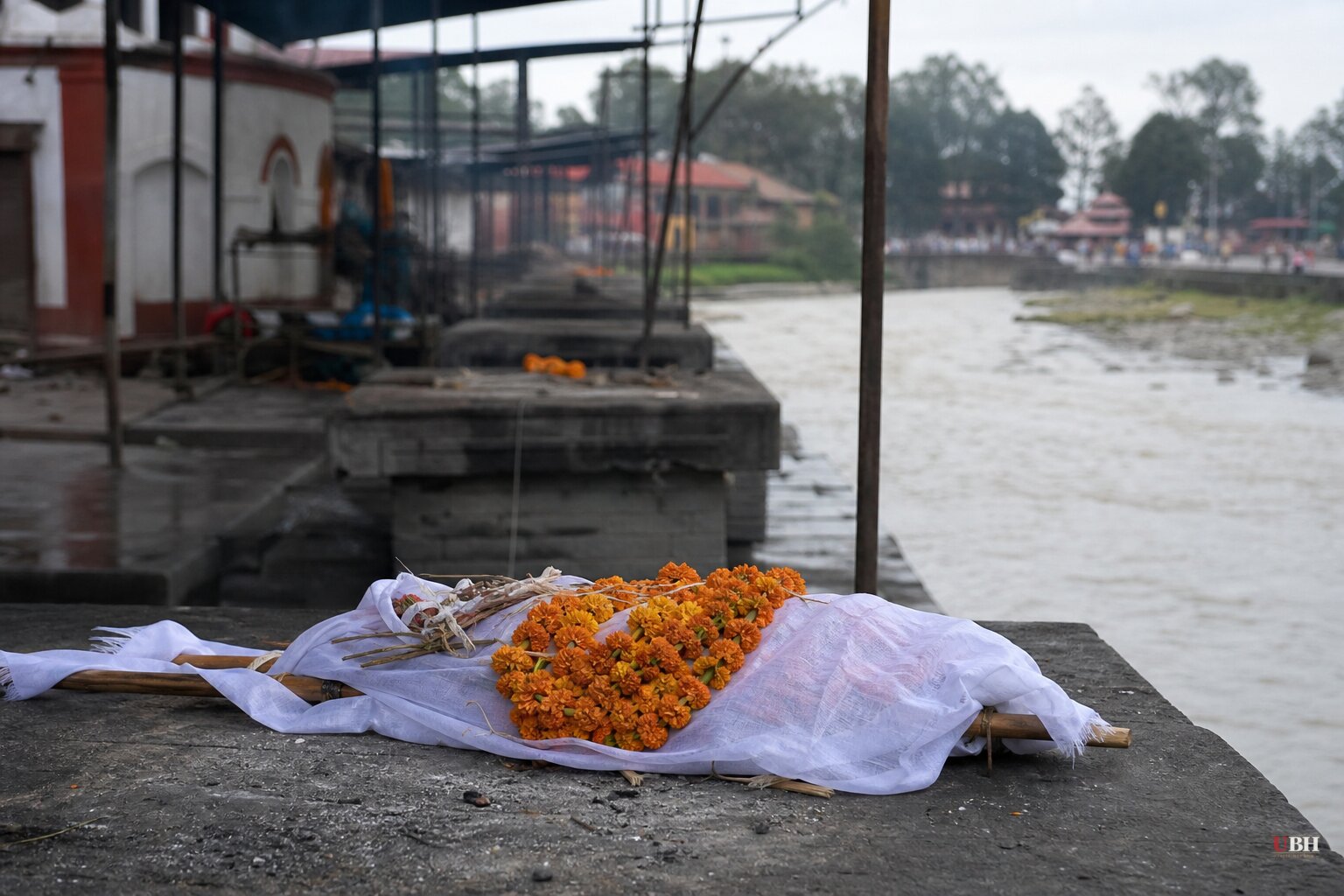
Since flash floods tore through northern and central Nepal on August 26, killing more than 1,200 people, the death toll and missing count have moved in grim, uneven steps, with families in Kathmandu now holding funerals for relatives whose bodies were never recovered. Rescuers pulled two people out alive ten days after the disaster struck, according to WCVB.
The rescue stands out because nearly every official statement in the days since the flood has pointed the other direction. Nepalese emergency operations official Phanindra Paudel told reporters earlier that "the hope of finding survivors is decreasing," even as he added, "we pray and are hopeful." Nepal Electricity Authority board member Amshu Kiran Shahi told Reuters his agency remained "very confident that there is life" inside flooded hydropower tunnels built to withstand disasters and stocked with food and water. Whether the two survivors pulled out this week came from one of those tunnel complexes, where roughly 900 hydropower workers were believed to have taken shelter before becoming trapped, was not specified in available reporting.
Cremations Without a Body
At Pashupatinath Temple, Nepal's most revered Hindu site, families have begun performing symbolic cremations for relatives whose remains were never found, according to NBC News and Al Jazeera.
Instead of a body, mourners are cremating effigies made from kusha grass, a plant central to Hindu funeral ritual, wrapped in orange cloth and covered in flower garlands. Sujan Achhami, 23, carried one such effigy to the bank of the Bagmati River nine days after his father Dinesh, a 41-year-old driver, went missing in Rasuwa district, according to Al Jazeera. "We looked everywhere because we had no clear idea where he was hit," said Dinesh's uncle, Raju Achhami.
Khim Bahadur Gharti Magar performed the same rite for his uncle and aunt, Tham Bahadur Pun, 71, a former British Army soldier, and Chausara Pun, 64, who were on a pilgrimage in northern Nepal when the flood hit. "There were 17 buses in the group they were with," Magar told Al Jazeera. "During our search, we found four other people who were part of the pilgrimage group. That's why we decided to cremate." Sher Bahadur Pun, a senior Nepali health official and the deceased man's son-in-law, said the family has submitted DNA samples to police in case identification becomes possible later.
Maniram Tharu survived the flood while working at the Upper Trishuli 1 hydropower project. His brother Dipendra, also a hydropower worker, and sister-in-law Phool Maya Tamang remain missing. "I cannot find their names on the list of those reported safe," Tharu said. "We don't know where to go, what to do."
The Mass Burial Dispute
Grieving families and NBC News have reported concerns that authorities have been carrying out mass burials of unidentified remains without family consent. For Hindu families, cremation is a core religious obligation, and burial without that rite denies the dead a recognized spiritual release. Several families have voiced frustration that this practice is being bypassed.
Nepali officials say the alternative is worse. Nepal Police spokesman Abi Narayan Kafle said storing recovered bodies remains a major logistical problem. "The proper way would have been to preserve bodies until identification is established but we are not in that condition," Kafle said, noting many remains are decomposed or dismembered. Officials say they are photographing and DNA-sampling bodies before mass burial so families can eventually claim and exhume remains once identification is confirmed. Neither side's account contradicts the other on the facts; the dispute is over whether public health necessity should override the religious timeline families want.
Numbers Still Moving
Exact missing-person counts vary by source and by day. NBC News, reporting September 3, put the missing figure at "more than 4,000." Al Jazeera and 234 Radio, in reporting since then, cite "almost 5,000" still unaccounted for. Neither figure is presented as final, and Nepali officials have not published a reconciled count in the days since. The gap reflects how fluid recovery operations remain, not necessarily a dispute over the underlying data.
What happens next hinges on two very different processes running in parallel: search teams still probing hydropower tunnels for survivors, and morgues in Kathmandu working through DNA identification of bodies already buried. Nepal's government has not said how many families are still waiting on DNA results, or how long that process is expected to take.
Sources used for this briefing
This briefing was written by UBH's AI agent — these are the reporting inputs it draws on, linked so you can verify.


