
Unbiased headlines. Facts, not spin.
Unbiased Headlines is an independently owned news organization. We bring you the facts, not opinions, written fresh from 110+ named sources. Sources linked so you can verify it yourself.
 health
Major Story (7/10)
Nearly 6 Million Haitians Face Severe Hunger, and the UN-Backed Analysis Projects 6.35 Million by Mid-2027
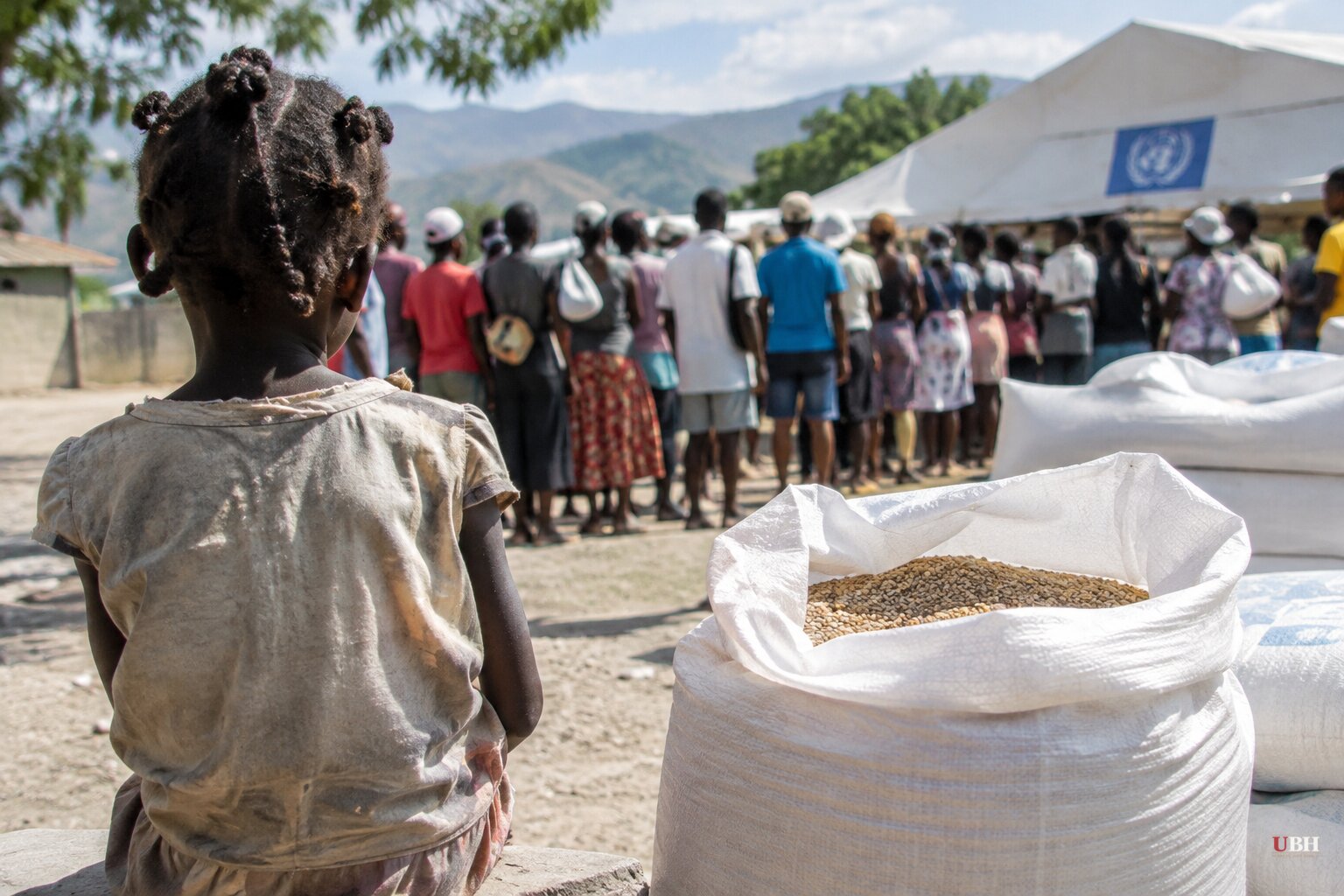
Nearly six million people in Haiti are going hungry at severe levels, and the number is still climbing.
The Integrated Food Security Phase Classification, a multi-partner UN initiative, published its latest analysis Wednesday, Oct. 28. It counts 5.94 million people in acute food insecurity in a country of nearly 12 million. Almost two million of them are at Emergency (IPC 4) level, meaning severe food shortages and, in the World Food Programme's words, extreme measures to get enough to eat.
The UN's Food and Agriculture Organization said the figure is "one of the highest levels in the world today."
A projection that keeps rising
The count is up by nearly a quarter of a million since the IPC's last report in April.
The forecast is worse. The IPC projects 6.35 million acutely food insecure people from March through June 2027, more than half the population. The WFP says that is an increase of more than half a million over the same period in 2026, and it expects record levels.
Several rural areas are expected to slide from Crisis (IPC 3) to Emergency (IPC 4) over that window.
"The numbers are really, really alarming in comparison with other years," said Maxime Ngalula, Action Against Hunger's country director for Haiti.
Gangs, displacement and weather
The UN agencies and aid groups name several drivers: gang violence, mass displacement, high food and fuel prices, and an extreme El Niño. The WFP says El Niño is causing droughts and floods at the same time, cutting harvests and leaving farmers less able to prepare for the next planting season. One farmer interviewed by TVB News described planting crops in dry soil and ending up "with nothing to harvest."
The security problem is just as concrete. In Haiti's central region, farmers have been chased off their land, and the main roads to Port-au-Prince and other areas are blocked. Goods cannot reach the capital or other markets. The WFP says armed groups also make it hard for farmers to bring products to market at all.
More than 1.5 million Haitians have been forced from their homes, according to the WFP. Displaced families cannot work or grow their own food. Most live in crowded, unhygienic conditions.
Lauren Landis, the WFP's country director in Haiti, said many families "have been displaced multiple times and are arriving with nothing but the clothes on their backs."
Aid that has to negotiate with gangs
Getting food to people is its own fight. Many of the hungriest live in makeshift shelters and in communities under fire from heavily armed gangs. Those gangs are fighting Haiti's National Police and a UN-backed gang suppression force.
Ngalula said negotiating access with gangs "can take one, two, three days." Some families travel up to nine miles (15 kilometers) to reach a distribution site because organizations cannot get into certain areas. "It's not easy to serve them all," he said.
His organization distributes cash and food, including rice and beans. Tracking families that move from one makeshift shelter to another is a problem of its own. "The strategy now is how to accompany these people or follow them," he said.
International agencies have also handed out livestock and emergency aid so vulnerable families can earn income and get immediate food, according to TVB News.
The money question
The WFP said it needs $78 million to sustain its operations in Haiti through March. The IPC analysis warns that "humanitarian assistance should be urgently scaled up to meet immediate needs."
The WFP had cautioned earlier this year that modest improvements against earlier projections were fragile and that sustained support was essential. It now says those warnings are "becoming a reality."
The analysis points to one open question: whether the $78 million arrives before March, when the projected peak of 6.35 million begins. The WFP has not said what it would cut if the money falls short.
Sources used for this briefing
6 links from 6 independent newsrooms (syndicated copies of the same report count once)
These are the sources it draws on, linked so you can verify.


