
Original briefings. Zero spin.
Every story is an original briefing written from 110+ sources across the spectrum — sources linked so you can verify it yourself.
 health
Notable (5/10)
September 9, 2026 at 06:21 PM
health
Notable (5/10)
September 9, 2026 at 06:21 PM
Nearly 1 Million People Warned to Stay Out of the Water as Every Great Lake Issues Hazard Alerts
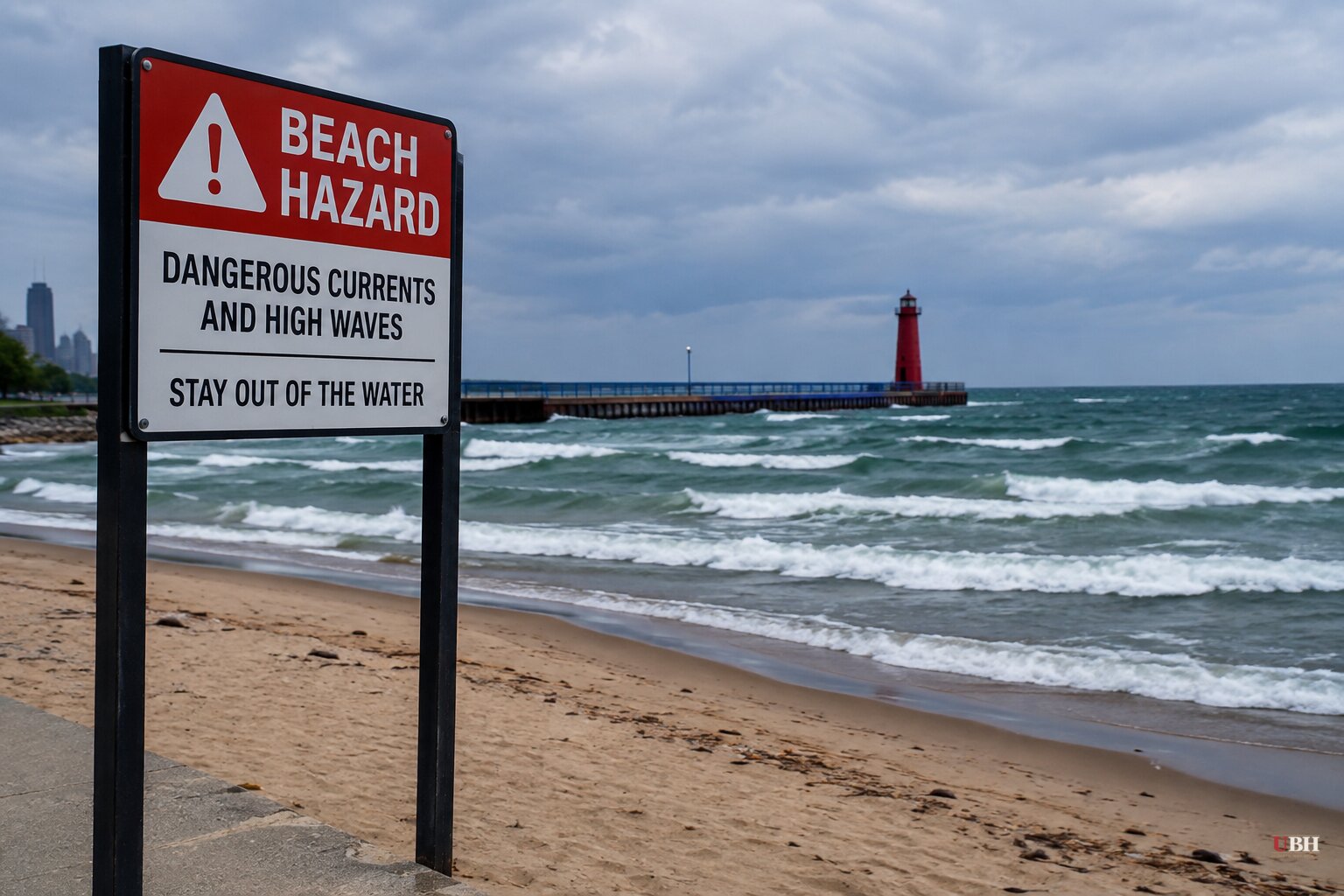
Beach hazard statements covered stretches of all five Great Lakes on Wednesday, September 9, with National Weather Service (NWS) offices warning nearly 1 million residents and visitors to stay out of the water, according to Newsweek.
The warnings span from western Michigan to upstate New York. They cite dangerous swimming conditions, powerful rip currents and waves strong enough to knock people off piers and jetties.
Lake by Lake
The most widespread alert hit Lake Michigan. NWS Grand Rapids issued a beach hazards statement covering Mason, Oceana, Muskegon, Ottawa, Allegan and Van Buren counties, roughly 145 miles of shoreline, in effect through 8 p.m. Wednesday. The office told residents to stay out of the water and avoid piers entirely.
On Lake Superior, NWS Marquette warned Alger County in Michigan's Upper Peninsula that high waves and strong rip currents would create life-threatening conditions from Wednesday afternoon into the evening. The office specifically flagged the Au Train River mouth, exposed sections of Grand Marais Harbor and Pictured Rocks National Lakeshore as spots tied to past rescues and deaths.
Eastern Mackinac County on Lake Huron got its own warning from NWS Gaylord, which forecast 3-to-5-foot waves and dangerous rip currents through the day, cautioning that surf could sweep people off piers and jetties.
NWS Buffalo covered both ends of its territory: a beach hazards statement for southern Erie County on Lake Erie, active through Thursday morning, and another for Jefferson County on Lake Ontario, running through Thursday afternoon. Both alerts used identical language: strong currents, dangerous swimming conditions, stay out of the water.
The Death Toll Behind the Warnings
These alerts aren't theoretical. At least 65 people have drowned in the Great Lakes so far this year, according to the Great Lakes Surf Rescue Project, a nonprofit that tracks lake fatalities. Lake Michigan alone accounts for 35 of those deaths.
Since 2010, the same organization has logged 1,480 Great Lakes drownings. That's an average of well over 90 deaths a year across the five lakes, in water most Americans still think of as calmer and safer than the ocean. Rip currents and structural currents, the kind that form near piers, breakwalls and river mouths, behave the same in fresh water as they do in salt water. They can overpower a strong swimmer in seconds, and they don't announce themselves with obvious rough surf the way ocean waves sometimes do.
The Common Complaint: Warning Fatigue
Some beachgoers and local officials have pushed back over the years on how often these statements get issued, arguing that near-constant warnings during windy weeks make people tune them out. If a beach hazard statement goes up every time there's a stiff breeze, casual visitors may stop treating any single alert as urgent, and that complacency is exactly what turns a routine advisory into a body count.
Sixty-five deaths in a single season, with more than a third of them concentrated in one lake, suggests the danger is real even when the sky looks clear and the water looks flat from the parking lot. The NWS offices in Grand Rapids, Marquette, Gaylord and Buffalo aren't issuing statements for cosmetic reasons. Each one names specific counties, specific wave heights, and specific hazards like piers and river mouths where people have already died.
The Wednesday alerts expire on staggered schedules: Lake Michigan's at 8 p.m. Wednesday, Lake Huron's by day's end, and the Erie and Ontario statements not until Thursday morning and afternoon. Whether beachgoers actually stay out of the water until those windows close is the open question. Local sheriff's departments and beach patrols along the affected shorelines will be the ones logging whether this round of warnings holds, or whether the Great Lakes Surf Rescue Project's 2026 count climbs past 65 before summer's last warm weekends run out.
Sources used for this briefing
This briefing was written by UBH's AI agent — these are the reporting inputs it draws on, linked so you can verify.


