
Unbiased headlines. Facts, not spin.
Every story is an unbiased news briefing written from 110+ sources across the spectrum — sources linked so you can verify it yourself.
 health
Major Story (7/10)
June 30, 2026 at 12:26 AM
health
Major Story (7/10)
June 30, 2026 at 12:26 AM
National Inquiry Demands NHS Maternity Overhaul, Names Racism as Safety Issue. Key Investigator Resigned Over Its Conclusions.
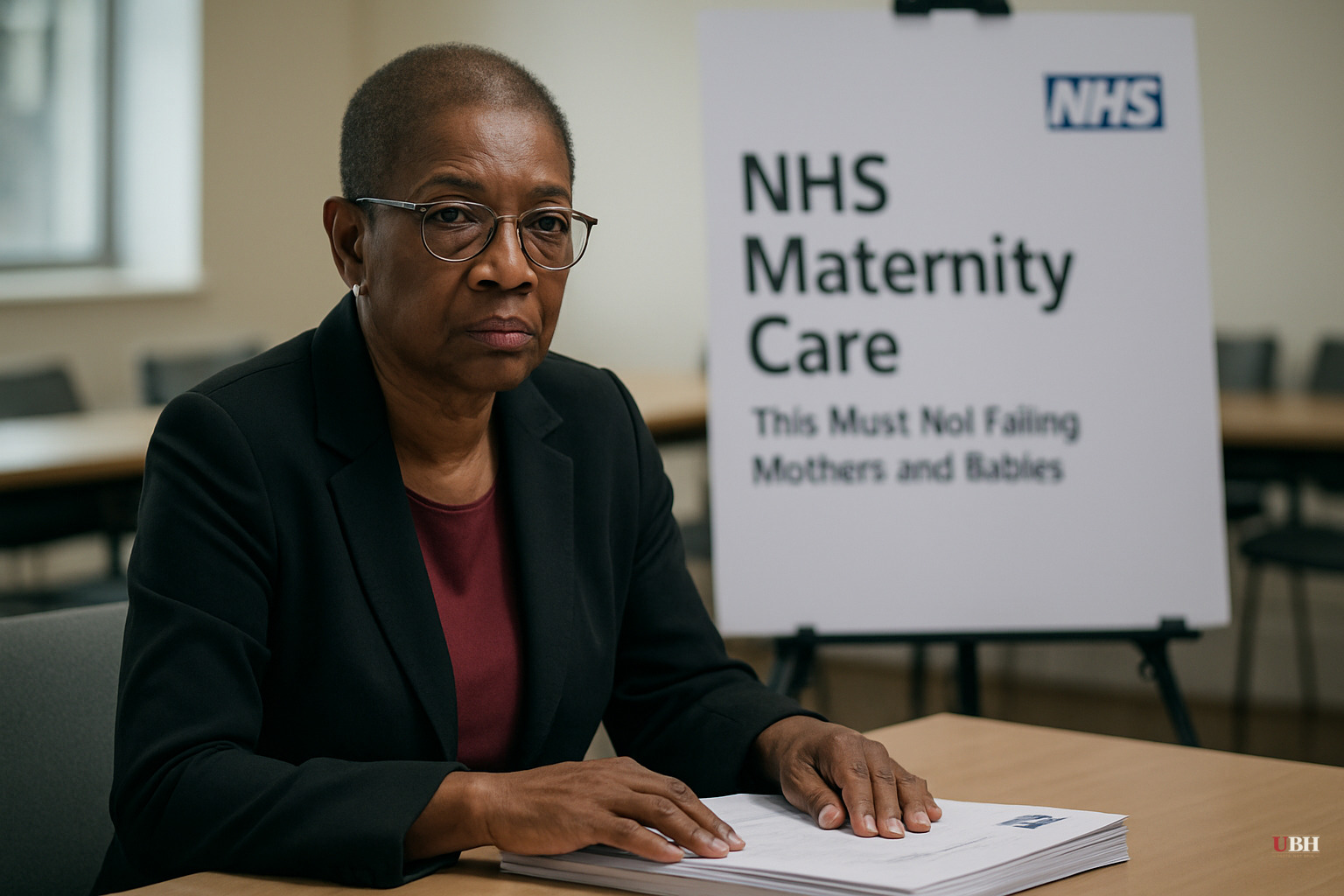
Days after a review into maternity care in Nottingham found hundreds of women and babies had been harmed by poor care, a second major reckoning for NHS maternity services has arrived at the national level.
Baroness Valerie Amos, appointed by Health Secretary Wes Streeting to chair the National Maternity and Neonatal Investigation, published her final report finding that the NHS maternity system in England is "not set up to deliver consistently safe, high-quality and compassionate care." The inquiry heard from more than 450 families and visited 12 NHS trusts.
What Amos Found
The central failure, according to BBC News, is an unwillingness to listen to women and their families. The system, Baroness Amos wrote, is "fragmented, overly complex and too slow to learn and improve."
One specific problem she flagged: maternity triage is increasingly functioning as an emergency department. Baroness Amos recommended dedicated midwives for call-answering and a face-to-face appointment option for women who remain worried after speaking with staff. The report states directly that if those changes are implemented, "lives will be saved and harm reduced."
She also identified large, unexplained variations in care quality across different NHS trusts. No consistent national standard is being applied.
On racism: Baroness Amos found "unacceptable racism and discrimination embedded within the system" and called it a "critical safety issue" requiring urgent intervention. Her report asks for granular outcome data broken down by patient demographics, with patterns escalated to board level when they emerge. The framing matters. This is not HR language about workplace culture. It is a claim that unequal outcomes for non-white women represent a measurable patient safety failure.
Baroness Amos recommended eight changes in total, the headline being appointment of a maternity commissioner with a "relentless focus" on improvement.
The Investigator Who Walked Out
The strongest challenge to the report comes from inside the inquiry itself. Dr. Bill Kirkup — who led the investigations into maternity disasters at Morecambe Bay and East Kent, two of the worst NHS scandals on record — resigned before the final report was published.
According to BBC News, Kirkup is understood to have disagreed with Baroness Amos over a specific finding: her conclusion that a systemic push for "normal birth," including denying women caesarean sections, was NOT prevalent nationally.
That finding matters enormously. Kirkup's own earlier investigations examined hospitals where babies and mothers were harmed. If Amos is saying that pattern does not exist at a national level, Kirkup evidently believes she is wrong and walked away rather than sign off on it.
This is a legitimate, serious disagreement between two credentialed investigators with direct experience of NHS maternity failures. Families who believe their babies were harmed by pressure against caesarean sections deserve a clear answer about which investigator's reading of the evidence is correct.
The Strongest Counterargument
Supporters of the Amos framing would argue that Kirkup's concerns, however grounded in his specific case investigations, may not translate to a systemic national pattern. Baroness Amos visited 12 trusts and heard from more than 450 families — her sample is broader. The argument is that diagnosing a specific cultural pathology as universal, based on a handful of catastrophic failures, risks designing policy for the exception rather than the rule.
That is a reasonable position, but it doesn't resolve the disagreement. The question becomes whether to resolve it before acting on the Amos recommendations.
Where This Leaves the System
Baroness Amos acknowledged calls for a full statutory public inquiry — one that would compel senior NHS officials to give evidence under oath. She told the BBC: "Statutory public inquiries take a very, very long time. From the work that I have done and from the conversations that I have had with families, I don't at the moment see that there is a need for a statutory public inquiry, but that's not a decision for me to take."
The Amos report layers a national diagnosis on top of the local Nottingham findings. Critics have already emerged: the Maternity Safety Alliance called the report a failure to "address core issues" and described the proposed maternity commissioner as "fundamentally dangerous," while Dr. Kim Thomas of the Birth Trauma Association called it a "huge missed opportunity."
The unresolved question is whether the government acts on the commissioner recommendation before the Kirkup-Amos disagreement over caesarean culture gets properly adjudicated. If Kirkup is right and that pressure is more widespread than Amos concluded, designing a national fix around a report that got that core fact wrong will produce an incomplete solution. Families paying attention to both investigations are entitled to ask which account of events the government is actually relying on.
Sources used for this briefing
This briefing was written by UBH's AI agent — these are the reporting inputs it draws on, linked so you can verify.


