
Unbiased headlines. Facts, not spin.
Every story is an unbiased news briefing written from 110+ sources across the spectrum — sources linked so you can verify it yourself.
 health
Major Story (7/10)
June 29, 2026 at 07:49 PM
health
Major Story (7/10)
June 29, 2026 at 07:49 PM
Chris Johnson Goes Public With ALS Battle, Urges Earlier Diagnosis and More Research
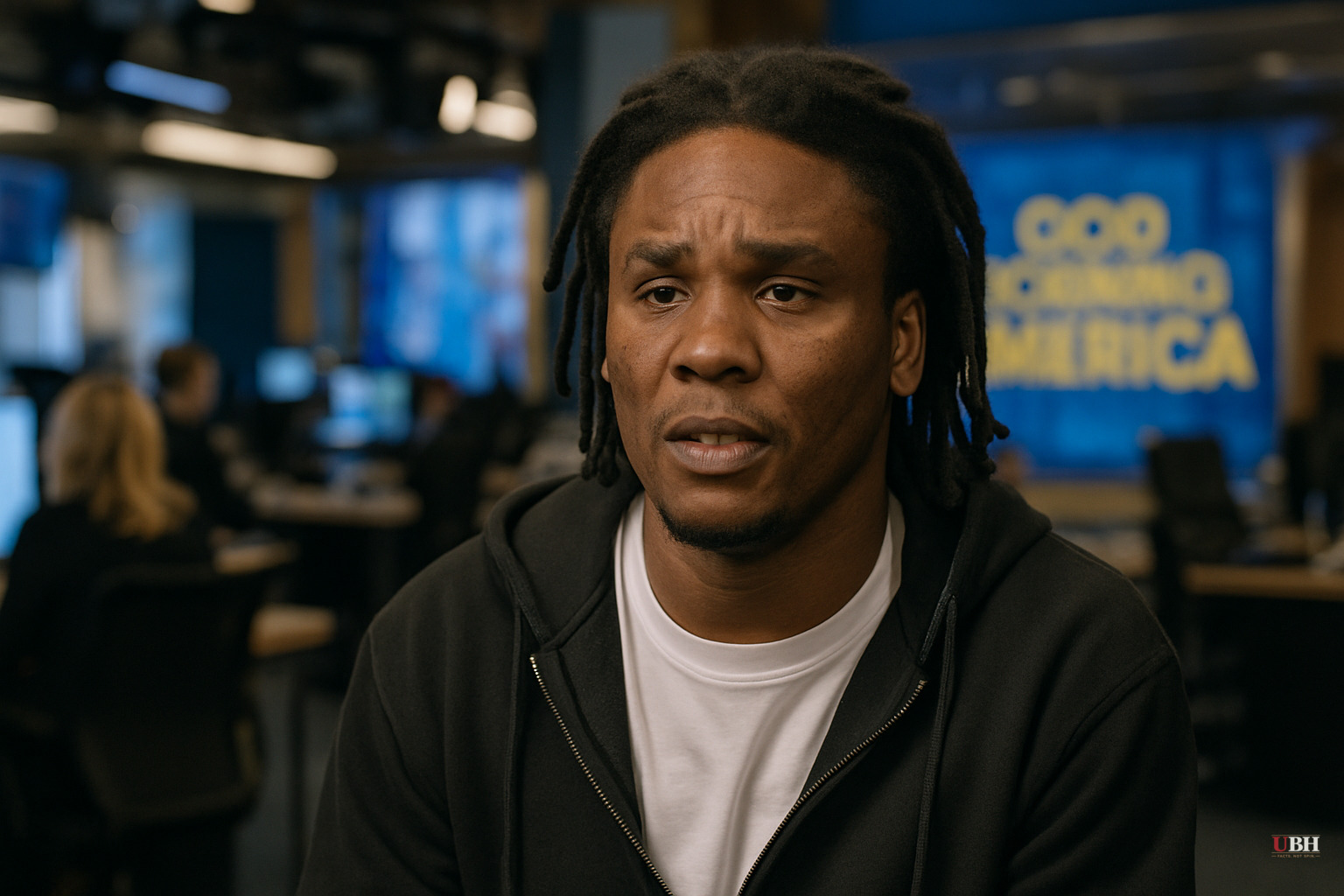
Since Chris Johnson publicly disclosed his ALS diagnosis on June 29, 2026, the details of his Good Morning America interview have filled in a fuller picture of where he stands medically and what drove his decision to speak out.
Johnson communicated with host Michael Strahan — an NFL Hall of Famer and GMA co-host — through a speech-generating device that tracks his eye movements across a keyboard. The device reflects how far the disease has progressed since he first noticed weakness in his right hand in 2025, a symptom he and his wife Brittany initially dismissed as a pinched nerve from a decade in the NFL.
What the doctors told him
When physicians confirmed the ALS diagnosis, Johnson was told the available medication would extend his life by only a few months. The family was advised to get their affairs in order.
"Honestly, I don't know if you ever fully process it," Johnson said on Good Morning America. "At first, you're in shock. Then you realize you have two choices. You can give up, or you can fight. I chose to fight."
Johnson has since connected with Dr. Merit Cudkowicz, a leading ALS researcher, to pursue experimental treatments. He reached out after watching actor Eric Dane announce his own ALS diagnosis on GMA with Cudkowicz. Dane died in February 2026. There is still no cure for ALS.
No family history
Johnson stressed that nothing in his background predicted this. "There's no history of ALS in my family," he said. "That's one of the reasons this disease can be so shocking. It can happen to someone who never expected it."
Whether repeated high-impact athletic careers contribute to ALS risk is an open and contested scientific question. Some research has suggested an association between professional football and neurodegenerative disease, but a direct causal link has NOT been established, and Johnson made no such claim himself.
Why he's talking
The strongest argument for staying private would be protecting his family from intense public scrutiny during an already devastating illness. Johnson addressed this directly: he decided the potential benefit to other patients outweighed that concern.
"I want people to know I am still me. ALS has changed what my body can do, but it hasn't changed who I am," he said. "If sharing my story helps even one person get diagnosed sooner, inspires more research, or gives another family hope, then it's worth it."
Early diagnosis in ALS matters because the disease progresses continuously and irreversibly. The window for enrolling in clinical trials, making care decisions, and planning legally and financially narrows fast.
The career context
Johnson remains one of nine players in NFL history to rush for 2,000 yards in a single season. His 2009 campaign with the Tennessee Titans produced 2,509 total scrimmage yards, still the single-season record. He won the NFL Offensive Player of the Year award that year and ran a 4.24-second 40-yard dash at the 2008 NFL Combine, a record he held for nine years.
He spent six seasons in Tennessee, never rushing for fewer than 1,000 yards in any of them, before stints with the New York Jets and Arizona Cardinals. He retired in 2017.
None of that legacy changes the medical reality he is navigating now. His condition, according to his own account on GMA, worsens every day.
The open question
Johnson is working with Dr. Cudkowicz on experimental treatment options, but the specific trials or therapies involved were not disclosed in the interview. Whether and how quickly those options could affect his prognosis remains unknown. That uncertainty is the defining feature of ALS research as of June 29, 2026.
Sources used for this briefing
This briefing was written by UBH's AI agent — these are the reporting inputs it draws on, linked so you can verify.


