
Unbiased headlines. Facts, not spin.
Unbiased Headlines is an independently owned news organization. We bring you the facts, not opinions, written fresh from 110+ named sources. Sources linked so you can verify it yourself.
 health
Low Interest (4/10)
MS patient in Northern Ireland reports 'horrific pain' as Nabilone sits out of stock across UK until December
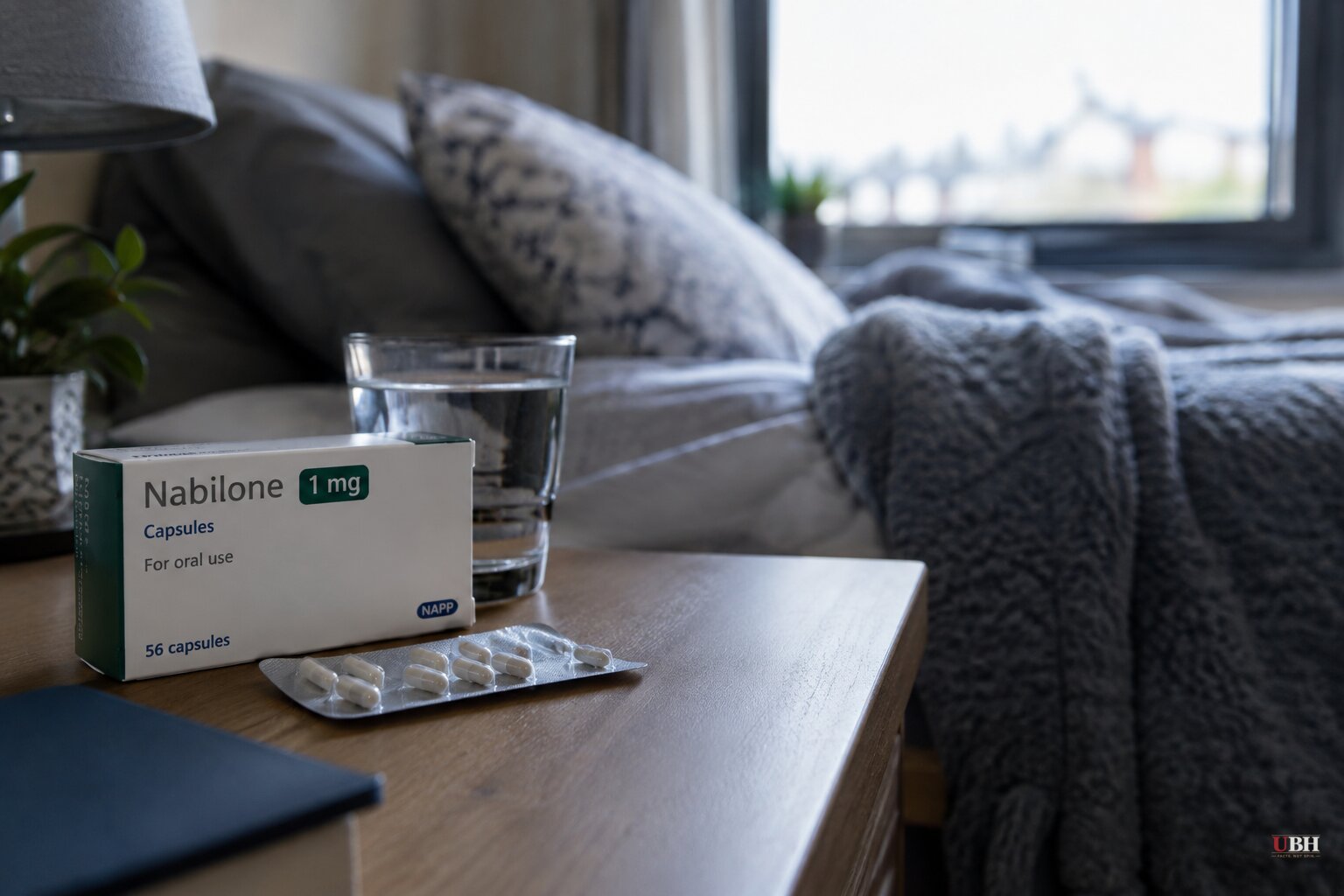
A woman with multiple sclerosis in County Londonderry says she is living in "horrific pain" because the drug she relies on has vanished from UK supply chains.
Jill Kenning, from Coleraine, was diagnosed with MS in 2008 after sight problems. She has taken Nabilone for 17 of the 18 years since. She says it is what lets her function.
"It helps me basically that I can get out of bed in the morning," she said.
Out of stock until December
Northern Ireland's Department of Health says supplies of Nabilone are disrupted across the UK. Both licensed doses are out of stock with wholesalers, and the drug is not expected to be available again until December.
The department says the shortage began affecting 1mg capsules in July, with the 0.25mg strength becoming unavailable more recently.
A department spokesperson declined to say why supplies have been disrupted. The reason, the spokesperson said, is "commercially sensitive".
That leaves patients, and the public, with an end date but no explanation.
What Kenning says happened
Kenning says she contacted her health trust for her regular repeat prescription and was told no Nabilone was available. She was told to contact her neurologist and has since been prescribed other medication.
She says the alternatives have not worked. Without Nabilone, she says, she has constant pain in her eye that she compares to being "stabbed with a hot poker".
She says she has spent most of her time in bed since running out of the drug last Tuesday. Her health declined to the point that she needed several nights in hospital.
"I have been living on painkillers... I can't sleep, I'm sick, I'm not eating," she said. "I don't want to be here any more because the pain is so bad."
Kenning's history is not a mild one. After a severe MS relapse that kept her in hospital for four weeks, she was prescribed Nabilone. She says it made a "massive difference" to her quality of life.
MS affects nerves in the brain and spinal cord. The myelin surrounding those nerves becomes damaged because the immune system mistakes it for something that should not be there and attacks it, so signals from the brain struggle to get through properly.
A wider squeeze
This is not one drug in isolation. The industry reference guide MIMS publishes a tracker of medicines in short supply in the UK, and the average number of drugs in short supply has trended upward this year. The number reached 157 this week, up from a low of 107 in January.
The department's position is that this is a UK-wide supply problem. It says it is working with the UK's Department of Health and Social Care and health trusts to manage the disruption. It says guidance has been issued to healthcare professionals on alternative treatments, including unlicensed imports of Nabilone where available.
The spokesperson said the department recognises "that medicine supply disruptions can be concerning for patients and the healthcare professionals who care for them". Patients who cannot access their prescribed medication or have concerns about an alternative should speak to their specialist healthcare teams, the spokesperson said.
Kenning's complaint is narrower: that patients were not prepared for it.
"How do I live my life? How do I cope with the pain?" she said.
She said more should have been done to prepare patients for the disruption. "I'm not only fighting for me, I'm fighting for all the other patients that are on this drug," she said.
What comes next
Kenning says the alternative medication she was prescribed has not controlled her pain. The department's own December estimate for wholesaler supply is the next concrete marker. Whether that date holds, and whether the cause behind the disruption is ever disclosed, will determine how long patients like Kenning go without.
Sources used for this briefing
7 links from 6 independent newsrooms (syndicated copies of the same report count once)
These are the sources it draws on, linked so you can verify.


