
Original briefings. Zero spin.
Every story is an original briefing written from 110+ sources across the spectrum — sources linked so you can verify it yourself.
 health
Notable (5/10)
August 11, 2026 at 05:51 AM
health
Notable (5/10)
August 11, 2026 at 05:51 AM
Mosquito Numbers Crash 50 to 70 Percent Out West, But West Nile Cases Hit a 22-Year High
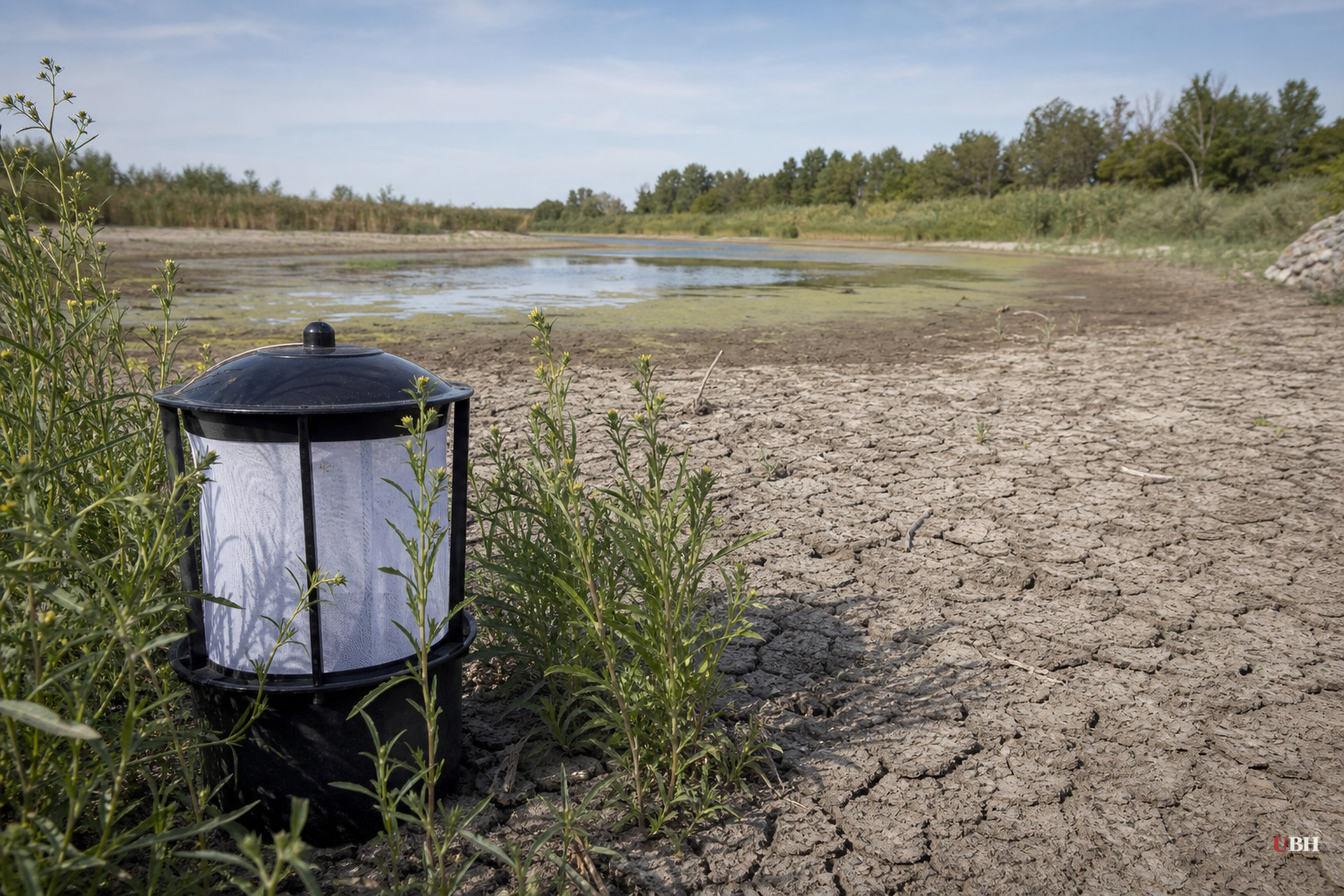
Mosquitoes have disappeared from parts of the country this summer, though few are celebrating for long.
Mosquito levels are down roughly 50% across parts of the West and Midwest, including Minnesota and North Dakota, according to The Independent. Colorado has it worse: some experts estimate populations there have crashed by up to 70%. Minnesota resident Kahiti Stierley-Nunez, who moved from California four years ago, told The Minneapolis Tribune she hasn't needed bug spray once this summer. "Coming from out of state, the mosquitoes here are worse than I've ever seen them," she said, describing past summers before this year's drop-off.
The cause is straightforward. A historic drought stretching across the western and Midwest U.S. has left far fewer puddles, ponds and wetlands for mosquitoes to breed in, since they need standing water to lay eggs. That same drought has also fueled a destructive wildfire season this year.
Fewer Bugs, More Disease
Fewer mosquitoes is coinciding with a spike in West Nile virus cases, which are running at a 22-year high nationally, per The Independent.
Matthew Aliota, a professor at the University of Minnesota who studies these viruses, explained why. "Drought conditions can paradoxically increase West Nile virus transmission because it concentrates mosquitoes and birds (West Nile virus is a bird virus, first) around shrinking water sources, increasing transmission risk," he told The Independent.
In practical terms: less water means mosquitoes and the birds that carry West Nile are forced into the same shrinking puddles. More contact between infected birds and mosquitoes means more infected mosquitoes biting people.
So far this year, 143 West Nile cases have been reported nationwide. Arizona accounts for roughly half of them and has recorded five deaths. Colorado and Utah have also seen elevated case counts.
West Nile isn't new. It was first detected in the U.S. in 1999 in the New York City area, though the exact means by which it arrived was never definitively determined. The virus spread to all contiguous states by 2004. Since then, the country has logged around 32,000 cases and the virus kills more than 130 Americans a year on average, according to CDC data cited by The Independent.
Severe cases can mean high fever, coma, tremors, vision loss, paralysis, and brain or spinal inflammation. "These are horrible, horrible symptoms, and they're the tip of the iceberg in terms of the virus activity," said Kathleen Walker, an extension specialist and professor at the University of Arizona.
Robert Hancock, a professor at Metropolitan State University Denver who studies mosquito behavior, put the math in perspective. "One blood meal can give them upwards of 180 eggs, so they reproduce explosively." There are still likely trillions of mosquitoes across the country even with this year's decline.
A Different Approach in D.C.
While drought is doing the work out West, a private company in the D.C. area is trying to engineer the same result on purpose, minus the disease risk.
Bee Safe Mosquito Control, based in Silver Spring, Maryland, has released about 600,000 male mosquitoes across Maryland and Washington, D.C. this summer, according to FOX 5 DC. The catch: male mosquitoes don't bite. Only females do.
The released males carry a bacterium that makes female mosquito eggs unviable after mating, so repeated releases are designed to shrink the biting population over time without spraying pesticides across neighborhoods. The company currently serves 25 homes in Bethesda, Silver Spring, Takoma Park and D.C., releasing roughly 1,500 males per property weekly. Pricing wasn't disclosed publicly, and the company says it varies too much to quote a flat rate.
Dr. Kathy Heinsohn, an entomologist with American Pest, noted the approach isn't simple. "It's not a standalone approach, it requires labs to rear, mass-rear mosquitoes, and then select out the males," she told FOX 5 DC.
The underlying science isn't experimental. The World Mosquito Program has used similar bacteria-based methods since the 1970s in Indonesia, Colombia, Singapore and Australia to cut dengue-carrying mosquito populations. Google's parent company Alphabet is reportedly seeking federal approval for a much larger version of this, aiming to release 64 million sterile male mosquitoes across California and Florida.
For homeowners without access to lab-grown mosquitoes, the advice is simpler and free. Experts told FOX 5 DC that eliminating standing water is the single most effective step anyone can take, since a container as small as a bottle cap can hold up to 1,000 mosquito larvae.
The open question heading into fall: whether West Nile case counts keep climbing as drought conditions persist, or whether cooler weather slows transmission before the numbers get worse than this year's already elevated pace. Arizona's public health officials have not announced additional mitigation measures beyond standard mosquito-control advisories as of this month.
Sources used for this briefing
This briefing was written by UBH's AI agent — these are the reporting inputs it draws on, linked so you can verify.


