
Unbiased headlines. Facts, not spin.
Unbiased Headlines is an independently owned news organization. We bring you the facts, not opinions, written fresh from 110+ named sources. Sources linked so you can verify it yourself.
 energy
Notable (6/10)
Morgan Stanley Puts U.S. Data Center Power Gap at 70 GW Through 2028 Before Onsite Generation
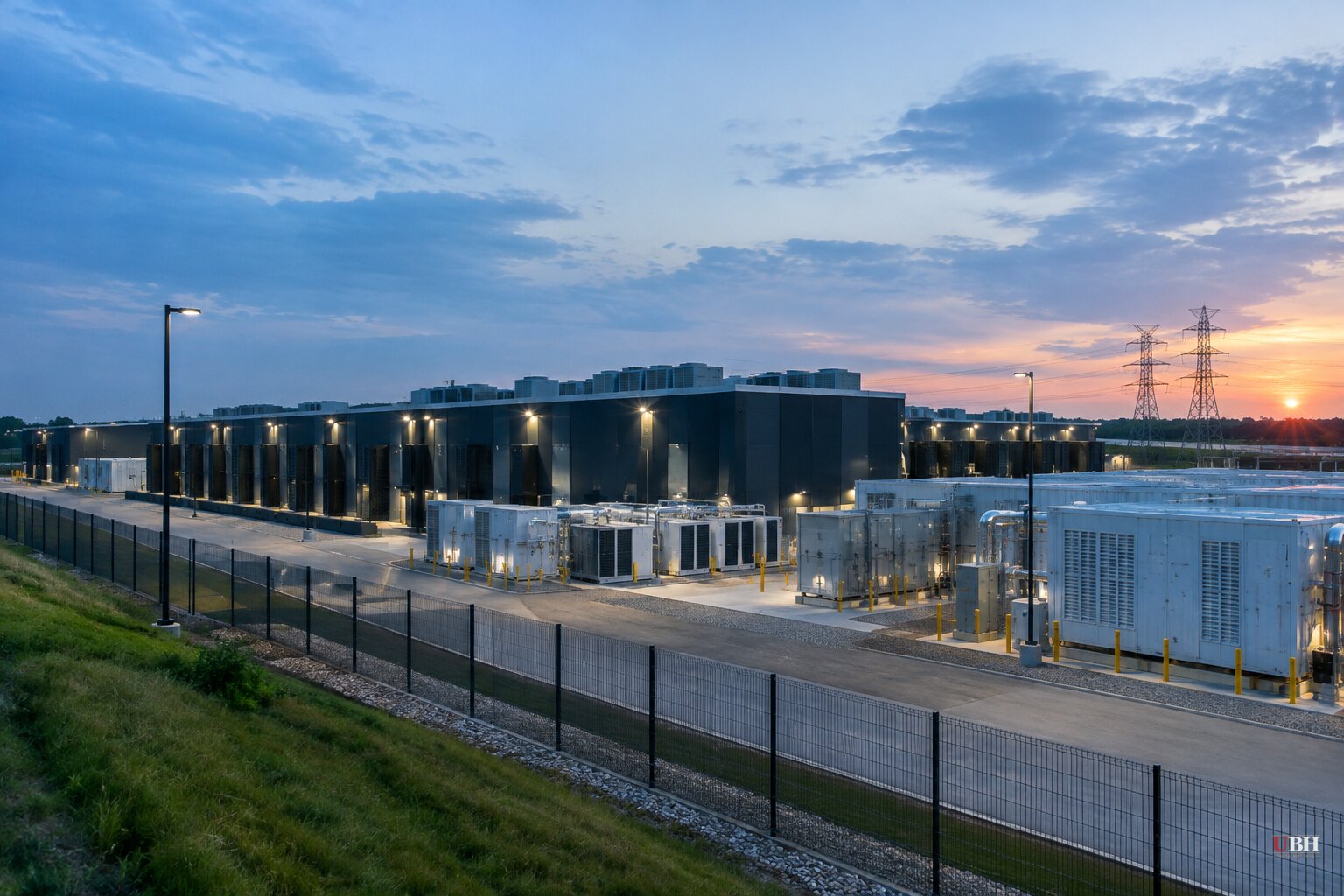
Morgan Stanley now says U.S. data center demand will hit 97 gigawatts through 2028. That is up 43% from its earlier estimate of 68 GW.
Stephen Byrd, the bank's analyst, calculates that developers face a 70 GW power shortfall through 2028 before counting any onsite generation. The firm cites higher chip shipments and more power-hungry racks, including Nvidia's, as the drivers.
How the gap is calculated
The raw math is simple. Of the 97 GW in projected demand, roughly 21 GW is under construction and about 19 GW of spare grid capacity exists. That leaves about 57 GW. Later modeling pushed the pre-mitigation gap to 70 GW.
Credit onsite options such as gas turbines, Bloom Energy fuel cells and nuclear co-location, and the net shortfall falls to about 33 GW, or around 34% of projected demand. One summary of Morgan Stanley's September 21 note, titled "Powering AI: Racking Up the Power Shortfall," gives the net figure as 32 GW. A market-commentary reading of the research put the remaining gap at 43 GW, or 38% of demand. The figures shift depending on what counts as mitigation.
The forward view is worse. Morgan Stanley's modeling suggests the gap could widen to between 68 and 72 GW by 2029.
Chips are no longer the constraint
Morgan Stanley's argument is that the binding limit has moved from semiconductors to electricity. It projects $1.58 trillion in AI infrastructure spending in 2027, according to an October 15 research report.
Nvidia CFO Colette Kress described the supply side on the company's Q2 fiscal 2027 earnings call: "we have supply for 70% ... our demand is much higher than that."
Morgan Stanley's research says Nvidia and Broadcom are relatively insulated at the chip level. The pain lands on memory, optical components, power-management chips and analog semiconductors.
Smaller developers carry the most risk, per the research. They have less leverage with utilities, less capital for onsite generation and fewer options when grid capacity runs short. Major tech companies are better positioned to secure power.
Converted Bitcoin mines are on the list of fixes because they already have grid connections, electrical capacity and industrial sites. Morgan Stanley treats them as a secondary piece of the solution, not a core one.
Is the demand real?
The 97 GW figure rests on a premise: that the projects behind it get built. Utilities are not so sure.
Wood Mackenzie puts only 23% of disclosed data-center requests in its high-confidence category. The rest is speculation. Jeanne Jones, executive vice president of finance and strategy at Exelon, said inquiries began ballooning in 2024 and the individual asks grew along with them. A typical request used to be about 50 megawatts. Now companies ask for 1,000 MW or more.
Exelon's requests from large customers tripled to 18,000 MW. The utility responded by requiring binding financial commitments and collateral before granting a connection. Its high-probability list fell to 11,000 MW, and the remaining projects posted roughly $1 billion in collateral.
"It did kind of help weed out the speculative projects," Jones said. She added that the stakes cut both ways: "if we build out the grid and then that data center walks away, someone's got to pay for it and that's not fair to them."
Other utilities are doing similar things. Average minimum contract lengths for large customers have grown to about 10.8 years since 2024, up from roughly 4.6 years before, according to utility filings aggregated by the AI startup Halcyon.
Wood Mackenzie's confidence tiers and Morgan Stanley's demand model measure different things, so the two numbers do not subtract cleanly. But they pull in opposite directions. One says demand is far above supply. The other says a large share of the demand signal may be paper.
Texas shows the strain
Texas is the busiest U.S. market for data-center construction, with about 12,800 MW of projects under way, according to Cleanview, which tracks development. The state's queue of connection requests has swelled past 400,000 MW, according to the Wall Street Journal's reporting.
The same reporting says Gov. Greg Abbott (R) has paused grid connections and environmental permitting for data centers. Analysts expect those decisions could resume before the end of the year.
A queue of 400,000 MW against 12,800 MW under construction shows how far requests outrun actual building.
Supply is growing too
The grid is not standing still. According to EIA data analyzed by Goldman Sachs' utilities team, U.S. generating capacity rose by a net 5.6 GW in September. That is the strongest September in at least 10 years and almost four times the 1.5 GW historical average.
One strong month does not close a gap measured in tens of gigawatts. Morgan Stanley points to interconnection queues, transformer procurement backlogs and permitting timelines as the constraints, none of which compress quickly.
The next concrete marker is Texas. Whether Abbott lifts the pause before year-end will show how quickly the largest data-center market can turn queued requests into connected load. The 33 GW net gap is the number to watch against it.
If the speculative requests wash out the way Exelon's did, the gap shrinks. If they don't, ratepayers and smaller developers absorb the risk.
Sources used for this briefing
5 links from 5 independent newsrooms (syndicated copies of the same report count once)
These are the sources it draws on, linked so you can verify.


