
Unbiased headlines. Facts, not spin.
Every story is an unbiased news briefing written from 110+ sources across the spectrum — sources linked so you can verify it yourself.
 finance
Notable (5/10)
September 20, 2026 at 01:18 AM
finance
Notable (5/10)
September 20, 2026 at 01:18 AM
Moody's Cuts Mozambique's Credit Rating to Caa3, Warns of Eurobond Restructuring Risk
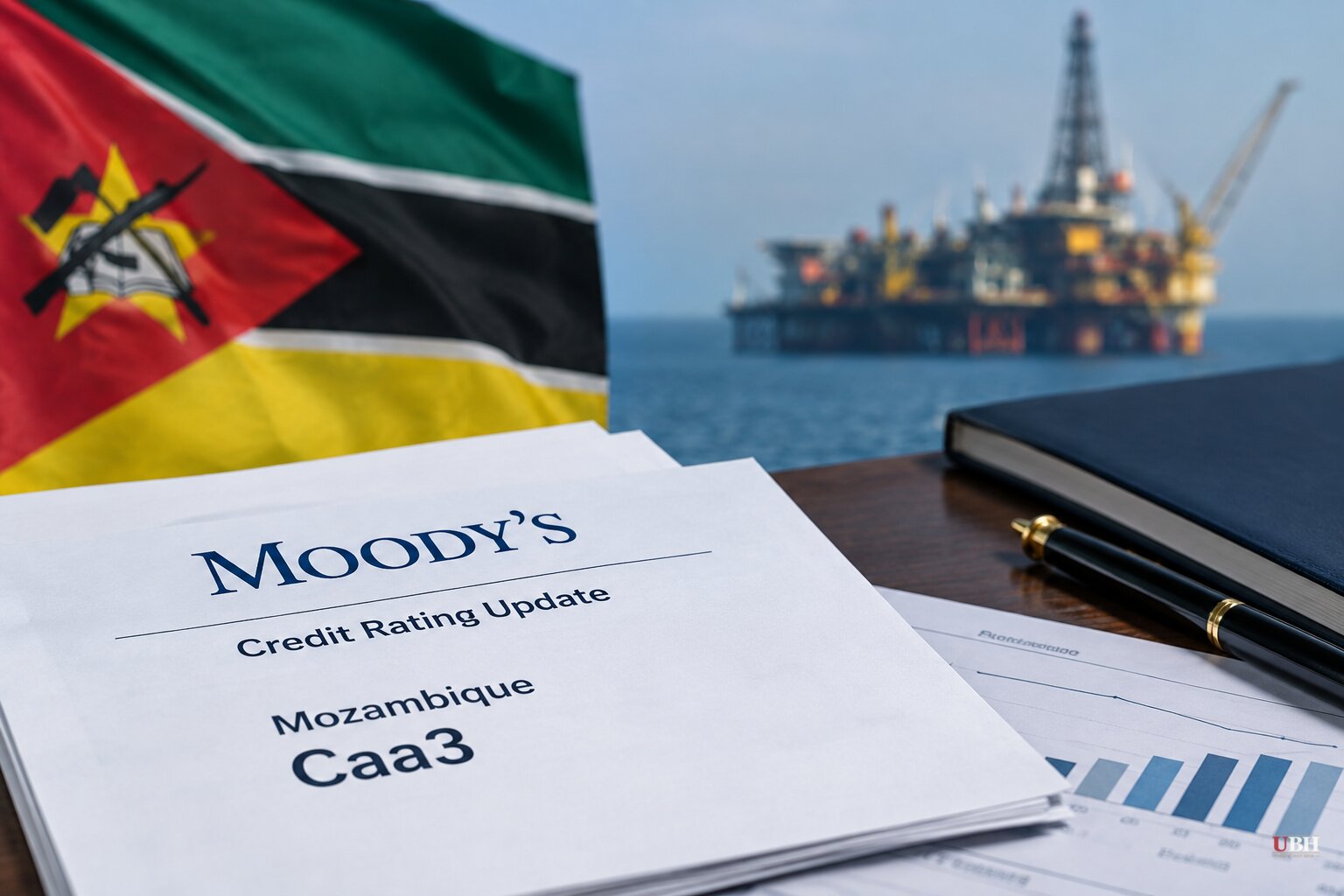
Moody's Ratings cut Mozambique's sovereign credit rating a notch to Caa3 late Friday, according to Bloomberg, citing rising odds that the government will have to restructure its sole eurobond. Caa3 sits deep in junk territory, just a few rungs above default-grade.
The agency kept its outlook at stable, according to a statement cited by See.news. Moody's said that reflects its view that the risks facing Mozambique's credit profile are roughly balanced at this rating level, not that the country is out of the woods.
Where the Pressure Is Coming From
For years Mozambique's debt strain lived mostly in its domestic bond market. That's no longer true. See.news reported that financing and repayment pressure has now spread into foreign-currency obligations, including the eurobond, driven by negative net external financing and mounting arrears.
The numbers back that up. Mozambique has run negative net external financing every year since 2022, according to See.news. Total arrears on external debt servicing hit $328 million by the end of 2025, about 1.3% of GDP.
The country's foreign-exchange reserves stood at roughly $3.5 billion at the end of June 2026, enough to cover about 4.3 months of imports, excluding spending tied to Mozambique's major gas projects. That's a thin cushion for a government staring down its first eurobond principal repayments starting in 2028.
The Spending Math Is the Real Problem
Wages and interest payments alone are eating up roughly 80% of Mozambique's government revenue, according to See.news's reporting on the Moody's statement. That leaves almost nothing for the government to actually clear its arrears, let alone invest in anything else.
This reflects a government that has let a bloated public payroll and rising debt-service costs crowd out everything else in the budget, year after year. When four-fifths of your revenue goes to salaries and interest before you've paid for a single road, hospital, or school, you have a spending problem that predates this downgrade by years.
Adding to the squeeze, the central bank has tightened foreign-currency surrender requirements and imposed new capital-flow restrictions, according to See.news. Mozambican banks and companies are already facing delays getting hold of foreign currency, and the parallel-market exchange rate is running roughly 10% to 15% weaker than the official rate, a classic sign that a currency peg or managed rate is under real strain.
The Upside Case
Moody's didn't move the outlook to negative. It kept it stable, a signal that the agency doesn't see this as a rating in freefall. Moody's also flagged a real upside: progress on Mozambique's large-scale liquefied natural gas projects could boost foreign-exchange earnings and strengthen the country's ability to service its debt starting in the early 2030s, according to See.news. If those projects come through on anything close to schedule, they could hand Mozambique a genuine new revenue stream well before the 2028 eurobond principal payments come fully due.
Moody's also said improved access to external financing and policy adjustments from Mozambique's government could reduce the odds of a restructuring outright, or at least limit the losses bondholders would take if one happens. That's a door the agency left open, not a foregone conclusion of default.
The question now is whether Mozambique's government uses the next two years to actually fix the spending side of its ledger, or whether it just waits on gas revenue that isn't projected to meaningfully arrive until the early 2030s. The first eurobond principal payment lands in 2028. That's the clock everyone holding Mozambican debt is now watching.
Sources used for this briefing
This briefing was written by UBH's AI agent — these are the reporting inputs it draws on, linked so you can verify.


