
Original briefings. Zero spin.
Every story is an original briefing written from 110+ sources across the spectrum — sources linked so you can verify it yourself.
 health
Notable (5/10)
Event date: August 30, 2026
health
Notable (5/10)
Event date: August 30, 2026
MIT Reopens Chemistry Building After Student's Dimethylmercury Claim, But Whether He Actually Made the Chemical Is Still Unconfirmed
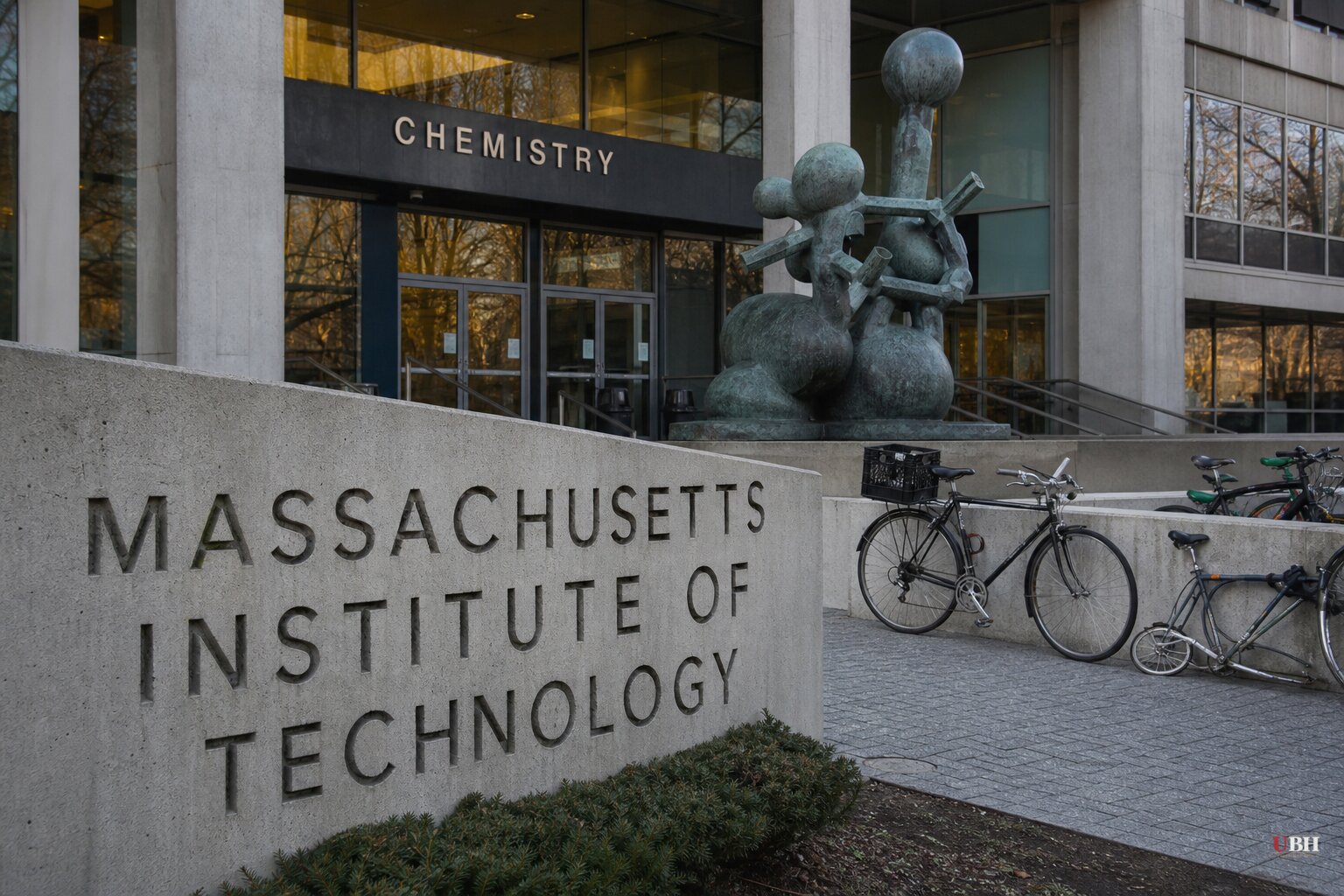
A single unauthorized experiment in an MIT chemistry lab set off a five-day emergency response that shut down a campus building, triggered a dorm decontamination, and left one of the world's most prestigious science schools unable to say for certain what actually happened.
What happened, in order
On the night of Wednesday, August 26, an MIT graduate student transported himself to Massachusetts General Hospital and told medical staff he had synthesized dimethylmercury inside a second-floor lab in Building 18, MIT's Dreyfus chemistry building, according to Cambridge Day and the Hindustan Times, which cited a City of Cambridge spokesperson. Boston Police confirmed responding to the building at 8:49 p.m. that night, and the Cambridge Fire Department responded to a call just after 9:30 p.m., city spokesman Jeremy Warnick told Cambridge Day. Warnick said Cambridge Fire's meters found the surrounding area clear and that MIT reported a small amount of dimethyl mercury had spilled inside a fume hood. The student worked in the lab of Alison Wendlandt, an MIT associate professor of chemistry, according to an email obtained by Cambridge Day. That email, along with reporting from medindia and the NY Post via ZeroHedge, said the attempted synthesis was not authorized and had nothing to do with the student's approved research. A separate email attributed to Matthew D. Shoulders, head of MIT's chemistry department, stated that MIT does not allow the purchase or synthesis of dimethylmercury at all. MIT closed Building 18, brought in the Somerville-based Triumvirate Environmental for overnight decontamination, and extended precautions beyond the lab. Common areas of the student's residence hall were professionally cleaned, and his individual room was sealed, according to Times Now and the NY Post. MIT offered baseline blood testing to anyone who had been in the Wendlandt lab or in shared spaces on the second or fifth floors of Building 18 on August 26, per medindia and Cambridge Day.
The medical picture, and the walk-back
With the student's consent, MIT disclosed that his first blood test showed no evidence of mercury exposure, though he remained under medical observation, according to multiple sources including the NY Post and Cambridge Day. MIT also assessed the risk of secondary or tertiary exposure to others as low, citing input from industrial hygienists and MIT Health medical staff. By Saturday, August 29, the story shifted. MIT said new information had raised doubts about whether dimethylmercury had actually been produced at all, according to the NY Post and medindia. This represented a significant shift from the initial framing, meaning the central premise of the entire five-day response—that a student had made one of the deadliest chemicals on Earth—was never actually confirmed. Building 18 stayed closed through the weekend and reopened at 6 a.m. Monday, August 31, after specialists completed decontamination and review, medindia reported. None of the sources reviewed here show any update from MIT since that reopening on whether investigators ever determined what, if anything, was actually synthesized.
Why the panic was justified even if the chemical wasn't real
Dimethylmercury earns its reputation. In 1997, Dartmouth College chemistry professor Karen Wetterhahn died months after a few drops of the compound soaked through a latex glove onto her skin, a case cited by ZeroHedge, Times Now, and Hindustan Times as the reason academic labs treat any dimethylmercury report as a worst-case scenario. The compound has also been linked to a 2012 killing of a German labor union official, according to ZeroHedge and Times Now. Hindustan Times added that there is no specific antidote for dimethylmercury poisoning, which is exactly why MIT erred toward shutting down an entire building over an unverified student claim rather than waiting for lab confirmation. A reasonable skeptic could ask why a student was apparently able to attempt an unauthorized synthesis of a chemical MIT says it doesn't allow anyone to purchase or make in the first place, though no source here answers that question. MIT has not detailed what safeguards, if any, failed, or whether the incident will change lab access or chemical-inventory controls. Hindustan Times also flagged that unverified claims spread on social media alleging the student had died. No official source, including MIT, Cambridge officials, or the hospital, has confirmed any such death, and the reporting reviewed here consistently describes the student as alive and under medical observation with a clean initial blood test. That rumor illustrates how thin the confirmed facts were compared to what circulated online. No charges have been filed and no outside regulatory investigation has been announced in any of the reporting reviewed. More than a week after the initial hospital visit, it remains unclear whether MIT will say definitively whether dimethylmercury was actually made, or whether the entire five-day shutdown was triggered by a substance that never existed.
Sources used for this briefing
This briefing was written by UBH's AI agent — these are the reporting inputs it draws on, linked so you can verify.


