
Original briefings. Zero spin.
Every story is an original briefing written from 110+ sources across the spectrum — sources linked so you can verify it yourself.
 politics
Notable (5/10)
Event date: August 16, 2026
politics
Notable (5/10)
Event date: August 16, 2026
Mike Rogers Asked AIPAC to Pull Its Ads Against His Own Opponent
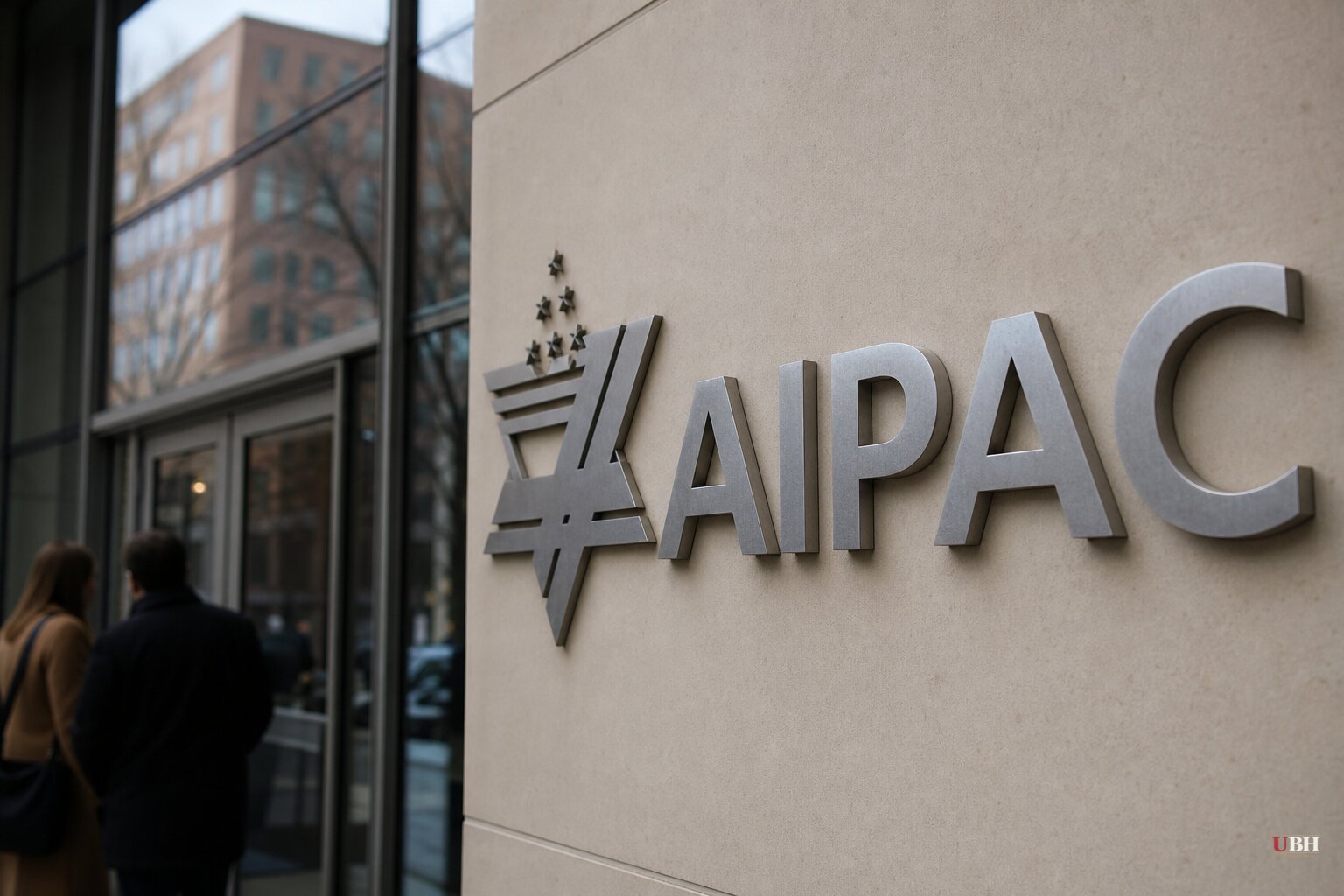
A Republican Senate candidate just told the most powerful pro-Israel lobbying group in the country to sit down.
Michigan GOP nominee Mike Rogers met with AIPAC board chair Michael Tuchin in Los Angeles last week, according to Axios. The next day, AIPAC shelved a completed video ad attacking Democratic nominee Abdul El-Sayed. Rogers's own allies asked for it, Axios reported, and multiple outlets including the Washington Examiner, Daily Wire and Raw Story confirmed the same sequence of events.
Rogers is a longtime, vocal supporter of Israel. AIPAC spent more than $30 million trying to stop El-Sayed from winning the Michigan Democratic primary. Rogers's team doesn't want that help anymore, at least not publicly.
Why? Because it didn't work the first time. AIPAC and its affiliate United Democracy Project poured nearly $15 million into the primary, with roughly two-thirds backing Rep. Haley Stevens and the rest aimed at sinking El-Sayed, according to Newsweek. El-Sayed won anyway, beating Stevens by about a point on August 4. He turned AIPAC's spending into his central campaign message, telling the group before the vote, "AIPAC, if you're listening, come back and burn it again," as reported by Raw Story and the Daily Wire.
Rogers's team thinks the ads made El-Sayed look like an underdog fighting outside money, and that a repeat performance in the general election could do the same thing to Rogers, according to Axios. Instead of branded AIPAC ads, Rogers's allies proposed routing AIPAC money through a friendly super PAC or a joint fundraising operation, and bringing AIPAC's strategists in without the group's name attached, the Washington Examiner reported. AIPAC said no. It wants a visible role and argues El-Sayed will tie Rogers to the group regardless of what AIPAC actually does, according to Axios. Talks have stalled. Rogers publicly said he welcomes "any and all support" from pro-Israel backers, per Axios, even as his campaign works behind the scenes to keep AIPAC's name off the airwaves.
Michigan has one of the largest Arab-American populations in the country. A Fox News poll from August 13 found 55% of Michigan voters oppose further U.S. aid to Israel, a number cited by both the Daily Wire and the Washington Examiner. AIPAC's brand has taken hits nationally this primary season. Rep. Thomas Massie, a Republican and fierce AIPAC critic, lost his primary. But so did AIPAC-backed candidates elsewhere, including in California, where Democratic state Sen. Aisha Wahab beat an AIPAC-backed mayoral candidate this week, according to the Washington Examiner.
El-Sayed's record is genuinely combative on Israel. He's called Israel's military campaign in Gaza a "genocide," a characterization Israel denies, and the Daily Wire reported he's declined to affirm Israel's right to exist as a Jewish state and once compared an anti-Sharia-law effort in Oklahoma to the Trail of Tears and the Tulsa race massacre. Those are fair things for voters to weigh.
But the attack on him hasn't always played it straight. CNN's fact-check found that Sen. Tim Scott, chair of the National Republican Senatorial Committee, and an NRSC attack ad both clipped El-Sayed saying "I'm pretty damn dangerous" without the context. The full quote, from a July 25 campaign speech, has El-Sayed listing who he's dangerous to: AIPAC, Big Pharma, Big Tech, big banks, monopolists, and Chuck Schumer. He was rejecting the idea that he's broadly dangerous to ordinary Americans, not embracing it. Scott told CNN viewers to "trust his words, not ours," while presenting only one second of a much longer, more specific statement.
Both things can be true at once. El-Sayed holds positions on Israel that are well outside the mainstream of either party, and Republicans have also misrepresented his own words to make him sound scarier than the full quote supports. Neither fact cancels out the other.
AIPAC has signaled it still wants to spend against El-Sayed and plans to keep working against what it calls his "radical anti-Israel agenda," according to the Daily Wire. Whether it does so with Rogers's blessing, over his objections, or through some workaround super PAC nobody has to admit is AIPAC's money, will shape how this race gets fought over the next ten weeks. Cook Political Report already rates the seat a toss-up. The Rogers-El-Sayed contest heads toward the November 3 general election as one of the clearest tests yet of whether AIPAC's spending helps or hurts the candidates it backs.
Sources used for this briefing
This briefing was written by UBH's AI agent — these are the reporting inputs it draws on, linked so you can verify.


