
Unbiased headlines. Facts, not spin.
Unbiased Headlines is an independently owned news organization. We bring you the facts, not opinions, written fresh from 110+ named sources. Sources linked so you can verify it yourself.
 tech
Notable (6/10)
Event date: October 29, 2026 ·
Microsoft Turns On Usage-Based Copilot Billing by Default Dec. 1, With 4,000-Credit Monthly Limit
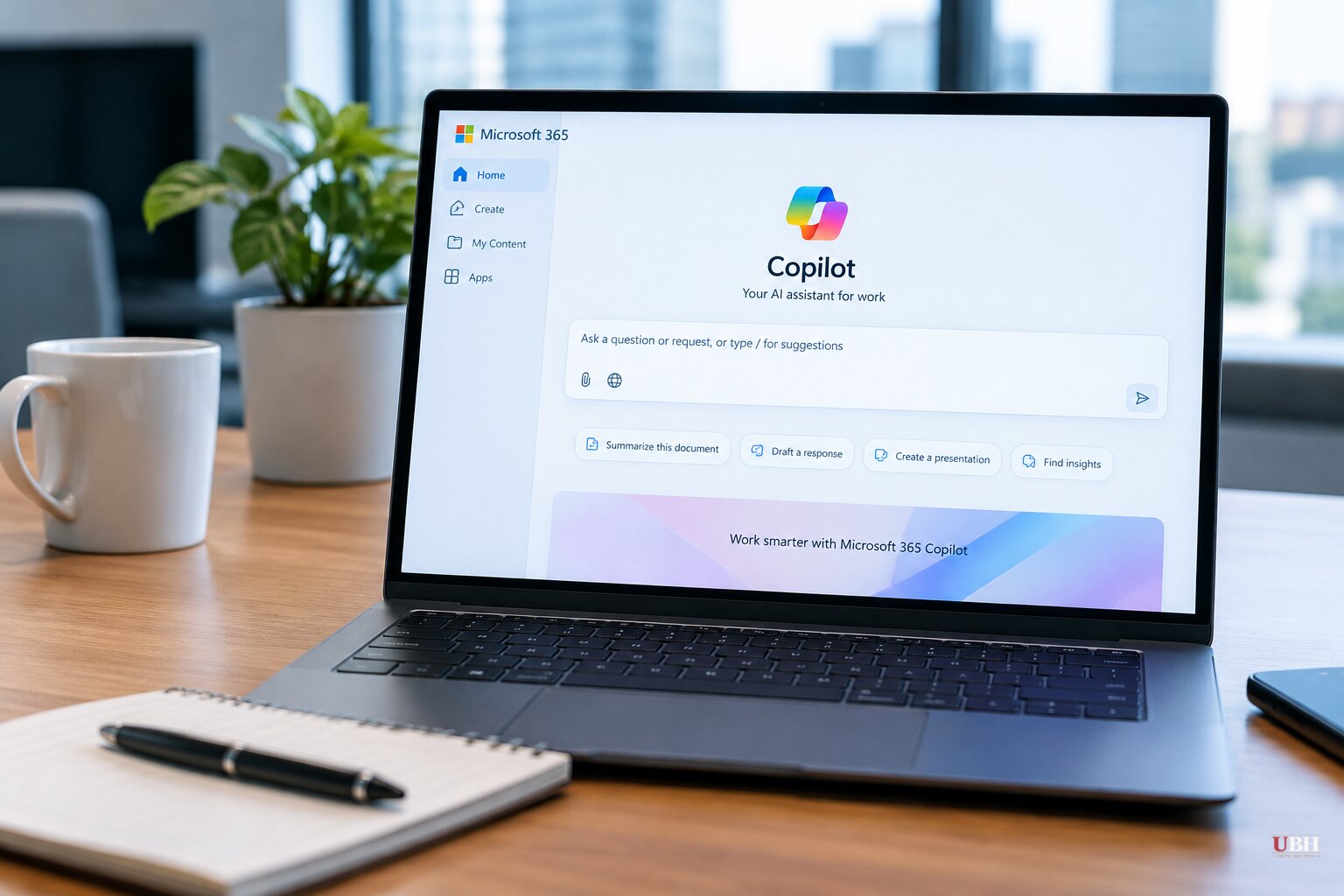
Microsoft is changing how small and midsize businesses pay for its AI tools. Beginning Dec. 1, 2026, usage-based billing will be enabled by default on new Microsoft 365 Copilot Business licenses bought through the Cloud Solution Provider program in supported markets.
The default spending limit is 4,000 Copilot Credits per user per month. At the $0.01 list price per credit, that is roughly $40. Administrators can raise or lower the limit.
What actually changes on Dec. 1
This is not a switch to pay-as-you-go for everything. The core Copilot seat license still covers everyday productivity tasks. The metered charges apply to advanced and agentic features, including Copilot Cowork, Work IQ APIs, GitHub Copilot Harness and long-running agent features such as Copilot in SharePoint. Code and Autopilot are available through Microsoft's Frontier Early Access Program.
The default applies beyond first-time purchases. It also kicks in when a customer adds Copilot Business seats to an existing subscription, upgrades to a Copilot Business SKU, or receives a subscription through a partner-to-partner transfer. It covers every business-tier bundle that includes Copilot: Copilot Business itself, plus Business Premium, Business Standard and Business Basic with Copilot.
Microsoft will automatically set up an Azure subscription with the default spending policy, removing the separate Azure billing setup that used to sit between customers and the metered products. Customers pay only for what they use, up to the limit. Companies that want seats only can have an administrator turn off the usage-based experiences, such as Cowork, in the Microsoft 365 admin center so end users cannot find them.
Microsoft 365 Copilot for enterprise falls outside the Partner Center guidance for this particular default-on change. Partner sandbox environments for testing are expected to open Monday, Nov. 2.
The numbers Microsoft chose to show
The timing follows Microsoft's fiscal first-quarter results, released Oct. 28 for the three months ending Sept. 30. Revenue rose 19% to $92.3 billion. Microsoft Cloud revenue grew 30% to $63.9 billion. Operating income climbed 21% to $45.9 billion, and commercial remaining performance obligation rose 73% to $677 billion.
CEO Satya Nadella told analysts that "the number of Copilot customers actively consuming credits through usage-based billing grew over 75% over the quarter." He said credit consumption from agentic features on GitHub has more than doubled since usage-based billing took effect there. Copilot daily users are up nearly 50% from the prior quarter and more than fivefold from a year earlier, he said.
Nadella framed the shift as expanding the business model "from per-seat subscriptions to include consumption," which he said grows Microsoft's addressable market and average revenue per user. Microsoft 365 commercial cloud revenue grew 17% while paid seats rose 5%, according to figures cited in investor commentary.
The missing seat count
Microsoft did not update its count of paid Copilot seats. It had disclosed 15 million in January, more than 20 million in April and over 30 million in its prior quarterly results. Asked directly on the call, CFO Amy Hood said: "We did not disclose, to answer your direct question, an update on the Copilot number this quarter. We talked about momentum in revenue and usage."
The growth multiples came without bases. Microsoft has not said how many customers were consuming credits to begin with, or whether the daily-user figure covers business users alone. UC Today's analysis of the results concluded that the usage figures show Copilot is being used more, but not how many organizations are paying for it, and that the change makes the AI bill harder for buyers to forecast.
The seat count had drawn skepticism before. When Microsoft first disclosed 15 million seats in January, Forrester analyst J.P. Gownder called it "disappointing uptake of the tool." Microsoft did report that customers with more than 50,000 Copilot seats rose more than eightfold year over year. It named Capgemini, HCLTech, Hitachi Group, Truist Financial and the UK's HM Revenue and Customs, and said Volkswagen plans to deploy Copilot to more than 330,000 employees. Hood said the E7 suite, which bundles Copilot with E5, Entra and Agent 365, has reached millions of paid seats.
Alphabet reported the same day. Google Cloud CEO Thomas Kurian told analysts the company has sold more than 100 million seats for knowledge work across its AI services.
What it means for buyers and the stock
The Motley Fool's John Ballard argues the shift is a reason to hold Microsoft for a decade. He says metered pricing lets revenue grow even if AI reduces the number of workers a company needs to license. He puts the stock at about 27 times forward earnings. Microsoft shares closed Friday, Oct. 30, at $521.91, down 1.55% on the day, after rising 4% in extended trading following the earnings release.
For customers, the practical issue is budgeting. The IT consultancy q-advise warns that organizations judging Copilot only by license price "risk overlooking additional consumption costs." A seat is a fixed line item. A consumption meter is not.
Nadella addressed that tension on the call, saying Microsoft does not want customers to "overbuy one thing and then feel like they're token maxing, because that doesn't serve anybody's purpose." Asked by Stifel analyst Brad Reback whether metered billing would spread to core Microsoft 365 customers the way it did on GitHub, Nadella said coding will move faster because developers are used to paying as they go. Hood said it will be a slower move outside coding.
It is unclear what happens after Dec. 1. Microsoft has not said how many credits typical business customers burn per user, or how many will raise the 4,000-credit default. Those figures, and whether Microsoft resumes reporting paid seats, will show whether the usage meter produces revenue the seat count could not.
Sources used for this briefing
7 links from 7 independent newsrooms (syndicated copies of the same report count once)
These are the sources it draws on, linked so you can verify.


