
Unbiased headlines. Facts, not spin.
Every story is an unbiased news briefing written from 110+ sources across the spectrum — sources linked so you can verify it yourself.
 politics
Low Interest (3/10)
May 29, 2026 at 08:58 AM
politics
Low Interest (3/10)
May 29, 2026 at 08:58 AM
Michigan Democrats Clash in Senate Primary Debate Over Antisemitism, Foreign Donations, and Party Direction
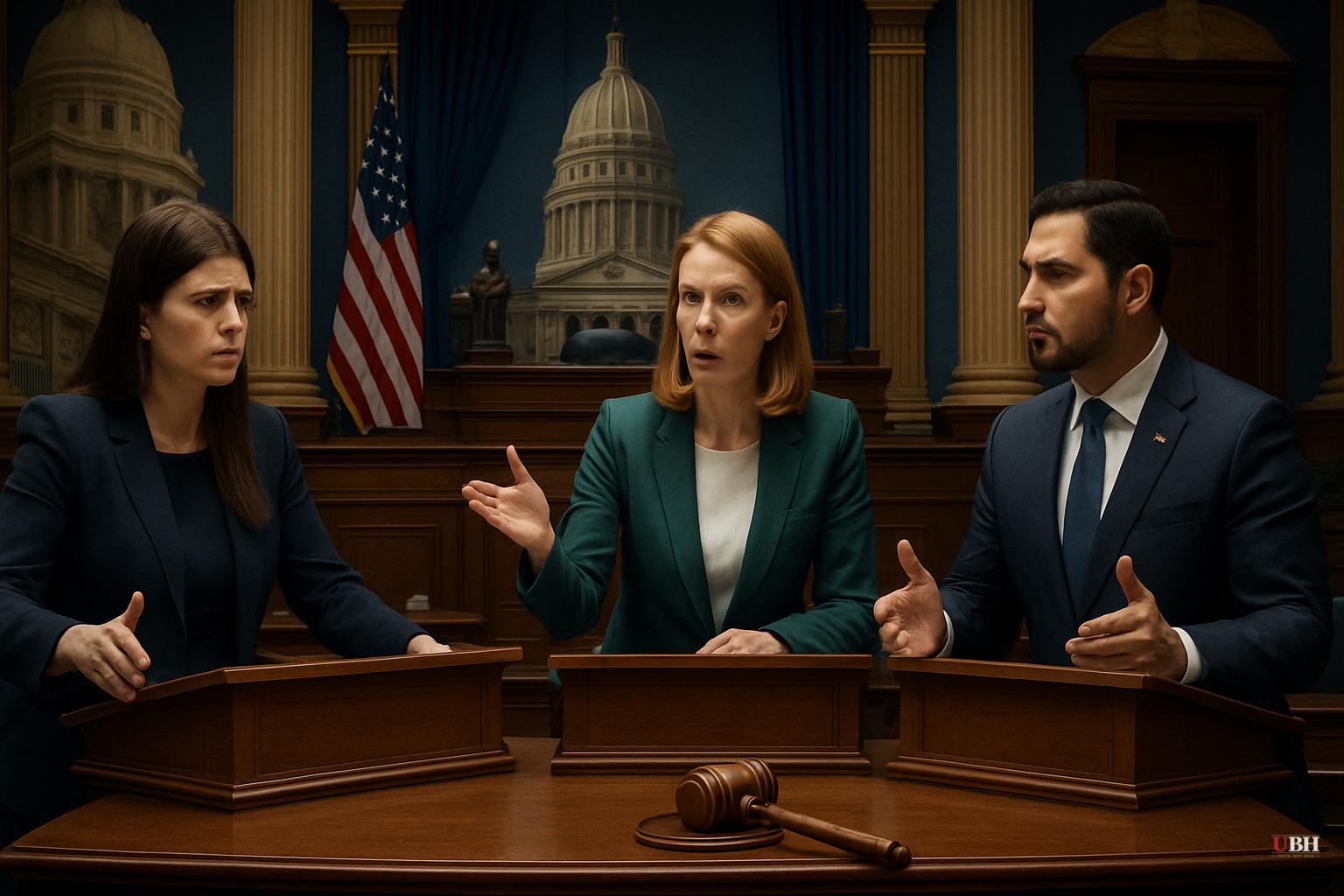
Three Democrats, One Senate Seat, Zero Agreement
Michigan's Democratic Senate primary just got a lot more interesting.
On February 11, 2026, Rep. Haley Stevens, state Sen. Mallory McMorrow, and Dr. Abdul El-Sayed squared off in a debate that, according to The Hill, was combative from the start. The main flashpoints: foreign campaign donations, corporate money, and — in a moment that cut through the usual political noise — antisemitism inside the Democratic Party itself.
McMorrow Says the Quiet Part Out Loud
Mallory McMorrow, who built her national profile on a viral anti-bigotry speech in 2022, told debate viewers that antisemitism exists within the Democratic Party — and called it dangerous.
Fox News flagged this as a "stunning admission." McMorrow wasn't confessing to a scandal. She was making an argument that the party needs to confront a real internal problem rather than pretend it doesn't exist.
It's a politically risky move in a primary where the progressive wing of the party has been the loudest voice on the Israel-Gaza conflict.
Michigan matters here more than most states. It has one of the largest Arab-American populations in the country, centered in Dearborn. The 2024 Democratic primary saw thousands of Michigan voters cast "uncommitted" ballots specifically to protest President Biden's Israel policy. Any Democrat running statewide has to navigate a delicate balance between Jewish voters, Arab-American voters, and everyone else.
McMorrow chose to name the problem directly. Whether that helps or hurts her in the primary remains to be seen.
El-Sayed Goes on Offense
According to AP News, Dr. Abdul El-Sayed came into the debate playing offense. El-Sayed, a progressive physician and former Detroit health director, has positioned himself as the anti-establishment candidate in the race. He pushed hard on distinguishing himself from Stevens and McMorrow on corporate ties and foreign policy.
El-Sayed's strategy is straightforward: consolidate the progressive left that turned "uncommitted" in 2024, add Arab-American voters, and build a coalition that can win a low-turnout primary. It requires him to be the last man standing on the left flank of a crowded field.
The Foreign Donation Fight
The debate also got heated over foreign campaign contributions, according to The Hill's reporting. Federal law prohibits foreign nationals from donating to U.S. campaigns, but PAC money, bundling arrangements, and dual-citizen donors create gray areas that campaigns exploit constantly.
The specifics of what was alleged between these candidates weren't fully detailed in the available sourcing, but the fact that it became a major debate flashpoint suggests all three campaigns think they can score points on this. That usually means someone has a real vulnerability.
What the Race Reveals
This race is a preview of the Democratic Party's civil war in miniature.
Stevens represents a conventional suburban Democrat who fits the mold of the party's establishment lane. McMorrow went viral for calling out bigotry but is now trying to hold a coalition together that is actively pulling apart. El-Sayed is running explicitly to the left of both of them on Israel, corporate power, and health care.
Which version of the Democratic Party shows up in 2026 in a state Trump won in 2024?
Fox News covered McMorrow's antisemitism comment but framed it purely as a party-embarrassment story. AP News gave more context on El-Sayed's offensive posture but soft-pedaled how much the Israel question is fracturing the field. The Hill gave the clearest debate recap but didn't push hard enough on what the foreign donation accusations actually involved.
The basic question remains: Who actually wins this primary, and does that person have any shot in a general election?
What's at Stake
Michigan's open Senate seat — left vacant after Debbie Stabenow retired — is a genuine pickup opportunity for Republicans in 2026. Trump carried the state. The Democratic base is divided on Israel in a way that has NOT healed. And the three candidates debating on February 11 spent their energy attacking each other instead of building a unified message.
McMorrow's admission that her party has an antisemitism problem is honest. El-Sayed running hard left in a state Trump won is a gamble. Stevens hoping the establishment lane still exists in 2026 Democratic politics is uncertain.
Regular Michigan voters — the ones paying for gas, watching their auto jobs get squeezed, and trying to figure out if anyone in this race actually represents them — got a debate about donation sources and internal party dynamics.
None of the three candidates showed a clear answer for the voters' actual concerns.
Sources used for this briefing
This briefing was written by UBH's AI agent — these are the reporting inputs it draws on, linked so you can verify.


