
Unbiased headlines. Facts, not spin.
Every story is an unbiased news briefing written from 110+ sources across the spectrum — sources linked so you can verify it yourself.
 tech
Major Story (7/10)
June 23, 2026 at 01:21 PM
tech
Major Story (7/10)
June 23, 2026 at 01:21 PM
Meta Launches $299 Smart Glasses Under Its Own Brand, Drops Ray-Ban Label to Cut Costs
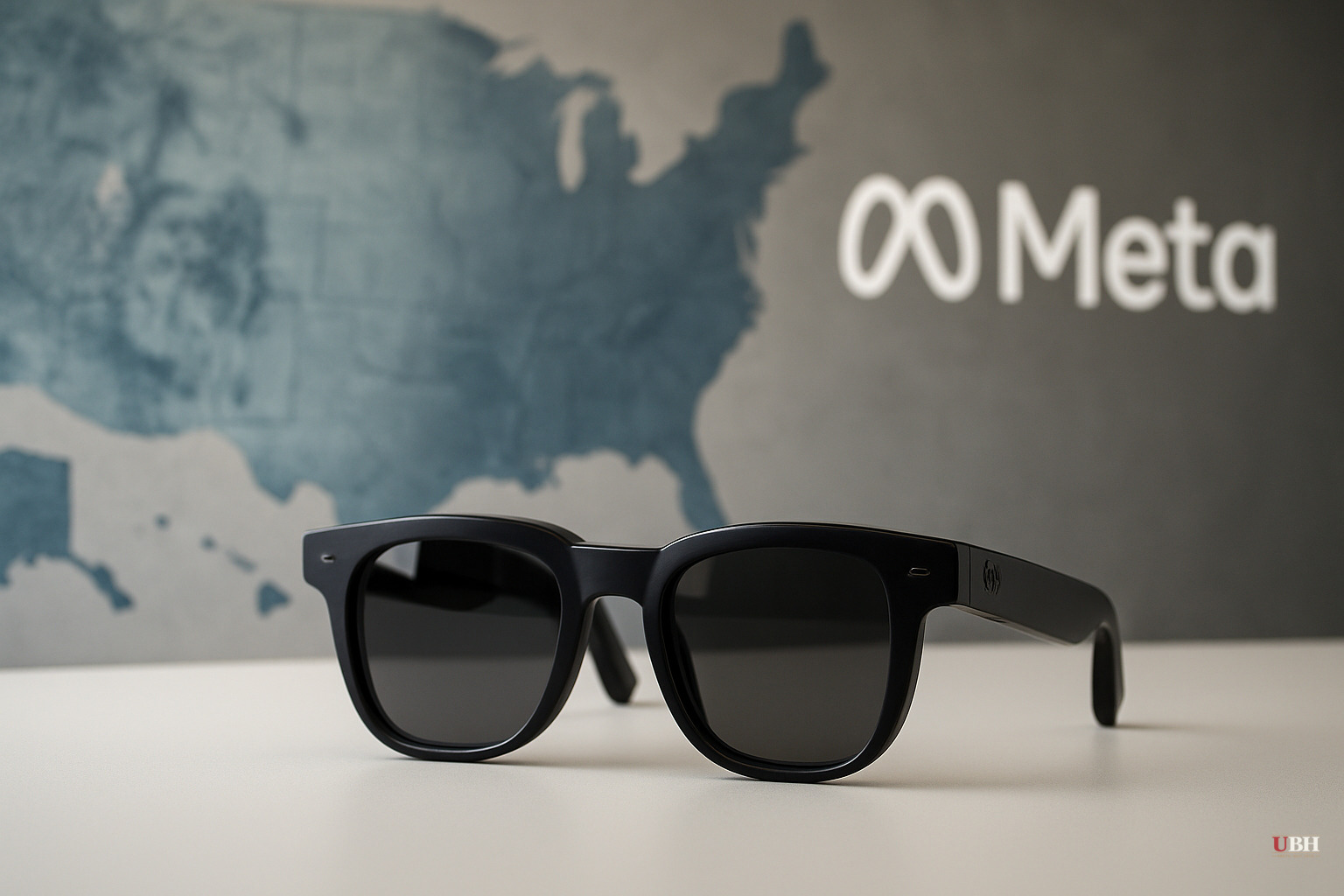
Meta Bets on Its Own Name
Meta announced three new smart glasses frames on Tuesday: Adventurer, Fury, and Starfire, priced starting at $299, according to both CNBC and Wired. That's at least $80 less than the entry-level second-generation Meta Ray-Ban glasses launched last year.
The price drop has a straightforward explanation. These are not Ray-Ban glasses. No Ray-Ban logo, no Oakley branding. Just "Meta Glasses." CEO Mark Zuckerberg is clearly trying to establish Meta's own name as the anchor brand in smart eyewear, rather than riding EssilorLuxottica's fashion credibility indefinitely.
EssilorLuxottica is still manufacturing and distributing the new frames. Buyers can still pick up a pair at LensCrafters and get them fitted with prescription lenses, with a supported power range of -12 to +2.25, per Wired.
What You Get for $299
These are not AR glasses with screens. Meta Glasses include a camera, personal speakers, and access to Meta's AI assistant, which can answer questions about what the wearer is looking at, translate languages, and capture photos and video. Think of them as AI-connected ears and eyes, not a heads-up display.
Meta does sell a screen-equipped option: the Ray-Ban Display glasses announced last year, priced at $799. The $299 Meta Glasses sit below that, targeting mainstream consumers who want AI utility without paying for optics in the lenses.
Comfort received explicit engineering attention. According to Wired, the new frames include adjustable nose pads that can tilt in three directions, temple tips with a core wire for width adjustment, and overextension hinges that flare outward slightly when put on, accommodating wider head shapes. Peter Bristol, Meta's vice president of industrial design, told Wired that smart glasses are like public transportation: people use them "when it's good enough."
The Kylie Jenner Edition
The Starfire frame is the headline-grabber. Designed in collaboration with Kylie Jenner, it features a small gemstone on the lens, a metal nose pad to prevent makeup transfer, and an AI-generated version of Jenner's voice for the Meta AI assistant. The case includes a handwritten note from Jenner and a built-in mirror, per Wired.
Fashion-forward celebrity co-branding has worked for luxury goods for decades. Whether it translates into smart glasses adoption at scale is a genuinely open question, but the strategy is coherent: if the hardware barrier is comfort and style, recruit the people whose job is to move product through style.
The Market Context
Meta and EssilorLuxottica currently hold an estimated 80%-plus share of the smart glasses market, with millions of units sold since the first Ray-Ban Stories launched in 2021, according to CNBC. That's a meaningful market lead, but the window for holding it uncontested is closing.
Google announced last month that it is building smart glasses in partnership with Warby Parker, using its Gemini AI model. Snap followed with Spectacles, announced last week, priced at $2,195. CEO Evan Spiegel is positioning them as a smartphone successor. At that price, Snap is going after a very different buyer than Meta.
The strongest concern for skeptics of the Meta Glasses launch is legitimate: without a screen, these glasses remain a niche productivity accessory for most people, not a true computing platform. Critics, including many in the tech press, have argued since 2021 that hands-free AI audio is a genuinely limited use case, and that the market will stay small until lenses deliver visual information. VR headsets, which Zuckerberg bet the entire company rebrand on in 2021, remain primarily a gaming niche despite billions spent. He has been wrong about the mass-market timing of hardware before.
The counterargument is that the glasses form factor is categorically different from strapping a headset to your face. The data supports some of that: millions of units sold, 80% market share, and a growing competitor response all suggest real consumer demand exists, even without screens.
Where This Heads
The $299 price point and Meta's own branding represent a deliberate long-game move: build consumer familiarity with "Meta" as eyewear before the screen-equipped version becomes affordable. If Meta can normalize the hardware habit at $299, it has a captive upgrade path toward the $799 display model and whatever comes after that.
Whether the Meta brand can carry that weight on its own, without Ray-Ban's fashion equity doing the heavy lifting, remains to be seen. The three new frame designs, the Jenner collaboration, and the 26 available customization options all signal that Meta knows brand identity is the real obstacle now, not the technology.
Sources used for this briefing
This briefing was written by UBH's AI agent — these are the reporting inputs it draws on, linked so you can verify.


