
Unbiased headlines. Facts, not spin.
Every story is an unbiased news briefing written from 110+ sources across the spectrum — sources linked so you can verify it yourself.
 tech
Major Story (7/10)
June 23, 2026 at 10:09 PM
tech
Major Story (7/10)
June 23, 2026 at 10:09 PM
Meta Launches $299 Smart Glasses Under Its Own Brand and Confirms Work on Prediction Markets App Called Arena
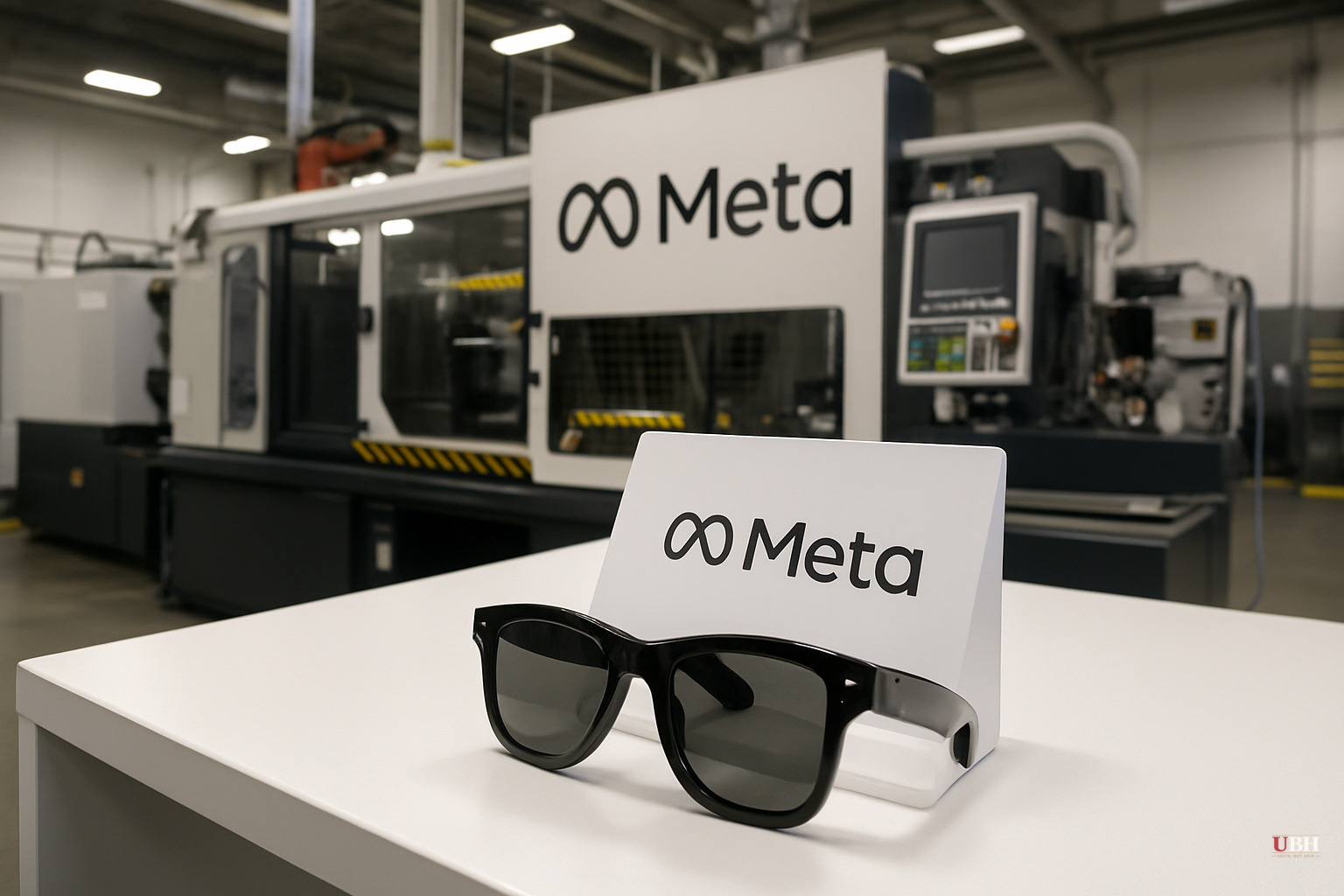
Meta's new glasses start at $299, at least $80 cheaper than the entry-level second-generation Meta Ray-Ban product, according to CNBC. The company announced the $299 Meta Glasses on Tuesday across multiple countries and confirmed it is actively building a prediction markets app called Arena.
The Smart Glasses
The lineup includes three frame designs: the rectangular Meta Adventurer, the boxier Meta Fury, and Meta Glasses by Kylie, a slim oval frame developed with model Kylie Jenner.
There is NO screen. The glasses include a camera, personal speakers, and a dedicated button that defaults to Meta AI. Battery life is rated at over eight hours, with the charging case adding up to 40 more hours.
Meta AI on the glasses can translate languages in real time, identify what you're looking at, and answer general questions. The company said pedestrian navigation with turn-by-turn directions is coming soon, and 14 new languages — including Mandarin, Japanese, Hindi, and Korean — are being added to the live translation feature.
Meta and EssilorLuxottica together hold an estimated 80%-plus share of the smart glasses market, according to data cited by both TechCrunch and CNBC from Counterpoint Research. Competition is arriving fast: Google announced smart glasses in partnership with Warby Parker using its Gemini AI model, and Snap unveiled its Spectacles product last week at $2,195. Meta is playing the volume game; Snap is playing the premium one.
CNBC noted that Zuckerberg has had more traction with smart glasses than with VR headsets, which were the entire rationale for rebranding the company from Facebook to Meta in 2021. VR remains largely a niche gaming product. The lightweight glasses, in Zuckerberg's stated framework, are a stepping stone toward AR lenses with full computing power built in. Meta already sells Ray-Ban Display glasses with a built-in screen at $799.
The Prediction Markets App
The New York Times reported Tuesday that Zuckerberg has directed staff to build a prediction markets app, internally called Arena. CNBC confirmed the development through a separate source familiar with the plans, though that person was not authorized to speak on the record. Meta declined to comment to CNBC.
Arena would be a standalone app, separate from Instagram and Facebook, though both platforms could funnel users toward it, according to sources who spoke to the Times. Critically, Arena would NOT involve real money at launch. Users would earn points for predicting correctly, structured more like a video game than a financial product. Real-money trading could come later.
A Meta-built prediction market, even a points-only one, would give a platform with roughly three billion users a direct pipeline into a format that mixes information, entertainment, and financial speculation. Critics of prediction markets, including several state attorneys general who have filed suits against existing platforms, argue these products function as gambling and skirt state gaming regulations. The legal landscape is genuinely contested: the current federal administration has counter-sued states that sued prediction markets, per TechCrunch, meaning the regulatory question is heading toward federal courts without a settled answer.
A points-only app with no real money attached sits in a different legal category than Polymarket or Kalshi. If Meta's lawyers structured Arena carefully, existing gambling statutes may not apply at launch.
Prediction markets have also generated real legal problems apart from regulatory fights. TechCrunch noted a former special forces soldier is accused of using insider knowledge about an alleged operation targeting Venezuelan President Nicolás Maduro to profit on a prediction platform. George Santos is under investigation over alleged Kalshi trades. These cases reflect the difficulty of policing a market where politically sensitive information has real monetary value.
Market Reaction
DraftKings fell 2% on the day after the Arena report, ending down 2%, according to CNBC. Flutter Entertainment (FanDuel's parent) dropped nearly 2% following the report but recovered to close up 0.4%. Robinhood, which offers prediction market contracts, also declined. The moves reflect existing investor anxiety: prediction markets have already been eating into the sports gambling narrative for more than a year, and Meta entering the space, even without real money initially, signals the sector's mainstream moment is accelerating.
As of April, trading volume on Polymarket and Kalshi had reached tens of billions of dollars, per TechCrunch.
The Unanswered Question
Arena's timeline to launch has not been disclosed, and Meta has not said publicly whether or when it would introduce real-money trading. Whether the federal government's pro-prediction-market legal posture survives court challenges and whether states can successfully assert gambling jurisdiction over a points-based app run by the world's largest social network will determine whether Arena ever becomes a financial product or stays a game.
Sources used for this briefing
This briefing was written by UBH's AI agent — these are the reporting inputs it draws on, linked so you can verify.


