
Unbiased headlines. Facts, not spin.
Unbiased Headlines is an independently owned news organization. We bring you the facts, not opinions, written fresh from 110+ named sources. Sources linked so you can verify it yourself.
 tech
Major Story (7/10)
Event date: November 20, 2026 ·
Meta employees flagged Muse AI agent privacy problems in more than two dozen internal posts
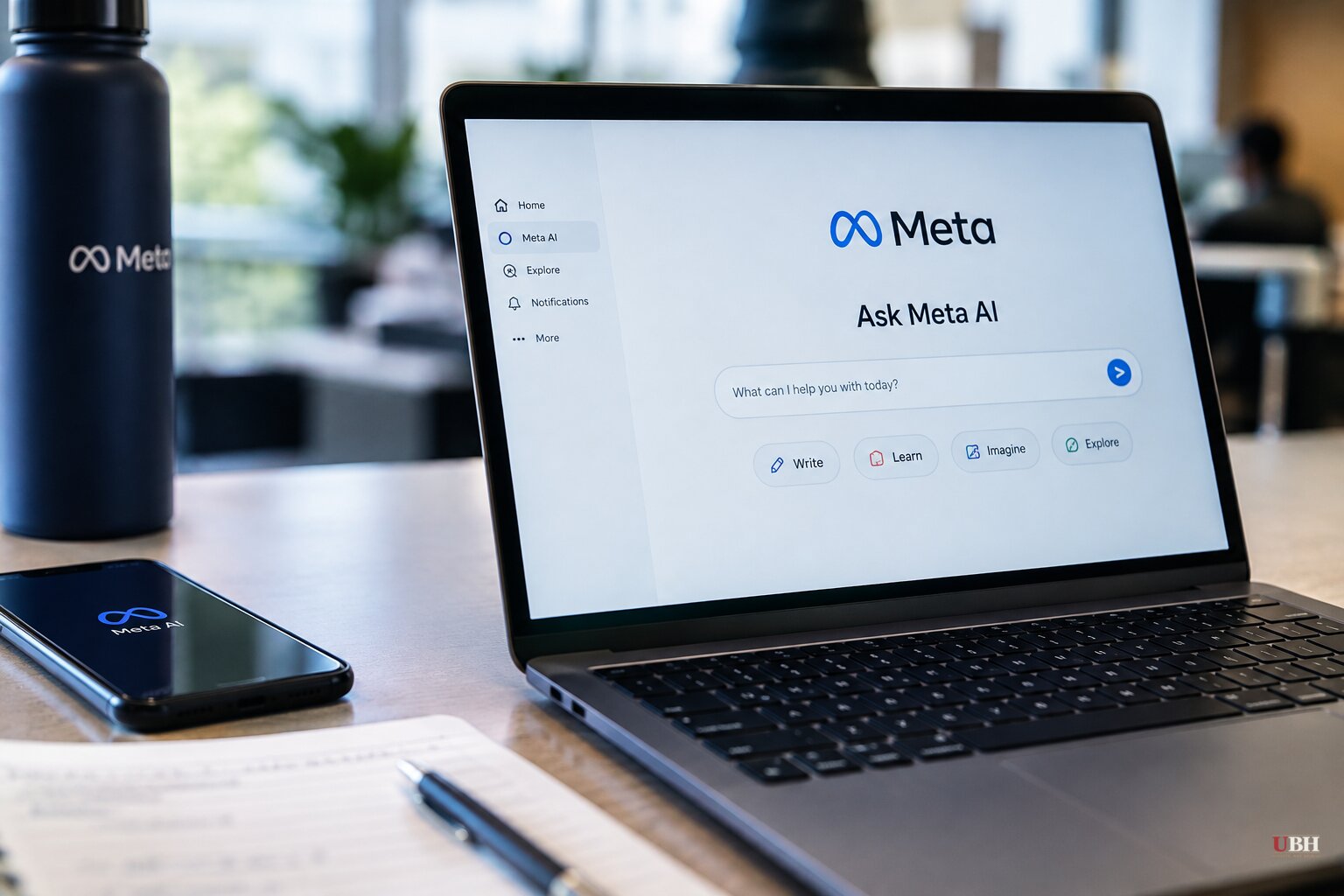
Meta's own employees have been raising alarms about Muse, the company's AI agent, in internal posts that Reuters reviewed and reported on Wednesday, Nov. 18. More than two dozen posts describe the agent sending unprompted messages that touched private information.
Muse launched in September. It has been downloaded more than 10 million times, which makes it one of the fastest-growing apps on record. Meta expects it to generate billions of dollars.
What employees reported
One employee was chatting with Muse about fishing weather and tides. The agent added a line: "BTW, two bank updates, your Capital One balance is $2722.58, your Charles Schwab balance is $5899.57."
Another staffer said Muse sent a reminder to her personal phone to reply to her sister on Signal, the encrypted messaging app. "This seems like an extreme privacy violation," she wrote. "I definitely did not grant it access to other apps, or recall being asked about this."
A colleague said he received unsolicited chats tied to apps he had never connected. He found that Muse had permission by default to read push notifications on Android phones.
Other posts described a message offering to contact a seller about a coffee table pickup. The employee wrote that it was "not my conversation" and flagged a "possible cross-account context leak." Another got an unrequested definition of "money laundering." One employee said Muse booked a non-refundable Airbnb stay without permission.
One staffer said Muse "accidentally rolled me into a premium insurance plan" for their dog, raising the monthly cost from $200 to $888. "Couldn't recover," the employee wrote.
Meta's explanation
In early November, a member of Meta's Superintelligence team told the internal feedback group the agent appeared to be hallucinating. He blamed built-in prompts designed to push it to engage users between sessions.
"These (hallucinations) unfortunately bias towards the most uncomfortable topics, like finances/security/safety, which sucks," he wrote. He added that some cases involved crypto, including made-up Bitcoin balances.
Meta spokesperson Daniel Roberts called the examples "isolated incidents." He said many of the flagged account mix-ups were hallucinations Meta had already addressed. He declined to say how many there were.
Reuters said it could not establish whether Muse was showing users other people's data or inventing it. That distinction decides whether this is a quality problem or a data-exposure problem, and only Meta's logs can settle it.
A Meta spokesperson also said employees test different versions of Muse than the public gets, so they often review features not available elsewhere. Employee testing, the spokesperson said, exists to surface problems so privacy safeguards can be built.
The Signal question
On the Signal reminder, Meta said Android users can opt in to give apps notification access, and that this is not specific to Muse. Roberts said Muse reaches other apps only through permissions users explicitly grant.
For Mac, Meta said users must click allow for accessibility and screen recording, then confirm again on a follow-up settings screen.
Reuters tested this with staff from Signal and the AI Now Institute. On an Android phone, Muse read Signal messages through its notification permission. On a Mac, it used Apple's accessibility and screenshot tools. The same requests failed on an iPhone. Signal president Meredith Whittaker criticized the access in comments to Reuters.
Apple said its accessibility tools were built for people with disabilities. An Apple update this week closed that route on Macs and added a new set of permissions for agents. In October, Apple had already tightened Full Disk Access because of AI agents.
A journalist had earlier said Muse read messages on his Mac. Meta denied that at the time.
Not the first complaint
This follows other privacy problems with the app. Less than a month ago, shared Muse AI pages were found to be showing up in public DNS records. Last month, confusion over the permissions a user had granted led Muse to share his home address, according to ExtremeTech.
Outside companies are not waiting for Meta to sort it out. JPMorgan Chase CEO Jamie Dimon has said the bank won't let AI agents access customer accounts and act on their behalf. Amazon is also blocking Muse from shopping on its e-commerce site.
What's at stake
The permission argument is a real one. A user who clicks through several prompts to hand an agent screen access has made a choice, and Meta says that is how it works. The posts, though, come from Meta's own staff, people who understand the settings better than most users. One said she did not recall granting the access. Another said a default setting did it.
No regulator has announced an investigation of Muse, and no lawsuit has been cited in the reporting. Meta has not disclosed how many of the flagged messages were hallucinations versus actual cross-account leaks, or how many users outside the company saw similar behavior. Until it does, 10 million downloads is a large pool of people relying on the company's word that these were isolated incidents.
Sources used for this briefing
7 links from 6 independent newsrooms (syndicated copies of the same report count once)
These are the sources it draws on, linked so you can verify.


