
Original briefings. Zero spin.
Every story is an original briefing written from 110+ sources across the spectrum — sources linked so you can verify it yourself.
 finance
Major Story (8/10)
August 26, 2026 at 09:36 PM
finance
Major Story (8/10)
August 26, 2026 at 09:36 PM
Meta Agrees to Roughly $18 Billion Settlement Over Facebook and Instagram Child Safety Claims
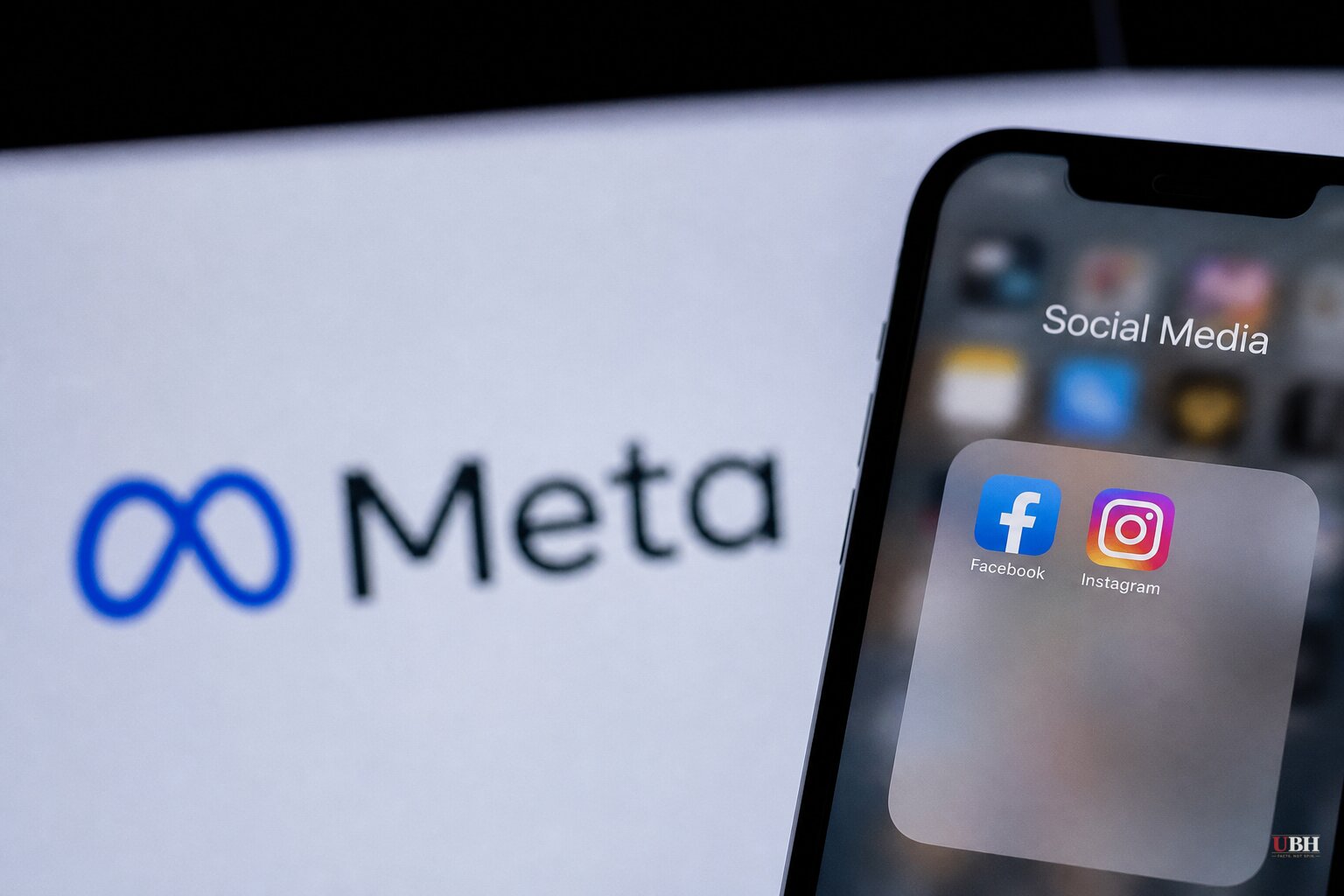
Meta has agreed to pay roughly $18 billion to settle a lawsuit brought by 29 states, according to Breitbart News. The states alleged that Facebook and Instagram were designed with addictive features that harmed children.
The settlement resolves one of the largest state-led legal actions ever brought against a social media company. Twenty-nine states joined the case, arguing Meta's platforms used engagement-maximizing design, including infinite scroll, algorithmic feeds, and notification systems, in ways that damaged the mental health of young users.
Fox News aired commentary from George Washington University constitutional law professor Jonathan Turley, who described the deal as "seismic" in scale but "chump change" for a company the size of Meta. Turley's framing points to the core tension in the settlement: $18 billion sounds enormous to an ordinary person, but Meta generates that kind of money in a matter of months from its advertising business.
What the Settlement Does, and Doesn't, Prove
An $18 billion settlement is not a court verdict. Meta agreeing to pay does not constitute an admission of guilt or a judicial finding that the company deliberately designed its products to addict children. Settlements are frequently reached specifically to avoid the uncertainty, cost, and public exposure of a trial, and companies routinely settle claims they dispute in order to move on.
That distinction matters. The states' lawsuit rested on allegations, not proven facts established at trial. No court has ruled on the merits of whether Meta's design choices meet a legal standard for harm. The settlement ends the litigation without that determination.
At the same time, the sheer size of the number and the breadth of state participation, 29 attorneys general across the political spectrum, signals that Meta's legal team saw enough exposure to justify a massive payout rather than risk a jury verdict or years of appeals.
The Bigger Question: Does Money Change Behavior?
Turley's "chump change" comment highlights a real problem. Meta's parent company reported enormous annual revenue, and a one-time $18 billion hit, however large in absolute terms, does not necessarily force a change in the underlying business model that state attorneys general say caused the harm in the first place.
If the algorithmic and notification systems that allegedly kept kids scrolling remain in place after the settlement, critics will reasonably ask what the payout actually accomplished beyond a check written to state governments. Parents worried about screen addiction have a legitimate concern: money paid to state treasuries doesn't automatically translate into design changes on a teenager's phone.
On the other side, Meta and its defenders could reasonably argue the company has already made changes, including default privacy settings for minors, screen time tools, and parental supervision features rolled out in recent years, and that a settlement lets it move forward without the distraction of prolonged litigation across dozens of states.
An Unresolved Question
What the settlement does not answer is whether Meta will be required, as part of the deal, to make specific structural changes to its products, such as capping recommendation algorithms for minors or restricting notification frequency for teen accounts. None of the sources reviewed specify binding behavioral commitments tied to the $18 billion figure, only the payment itself.
Parents, state regulators, and lawmakers now have a genuine follow-up question: does this settlement come with enforceable product changes, or is it simply a payment that closes the legal chapter while leaving the app experience largely unchanged for the next generation of teenage users? That detail, if and when it becomes public through the settlement's official terms, will determine whether $18 billion was a meaningful correction or, as Turley put it, chump change.
Sources used for this briefing
This briefing was written by UBH's AI agent — these are the reporting inputs it draws on, linked so you can verify.


