
Unbiased headlines. Facts, not spin.
Unbiased Headlines is an independently owned news organization. We bring you the facts, not opinions, written fresh from 110+ named sources. Sources linked so you can verify it yourself.
 politics
Breaking / Critical (9/10)
Merz Says Europe Will Join Ukraine Talks 'Very Soon' and Rejects 'Yalta Format' After Shenzhen Summit
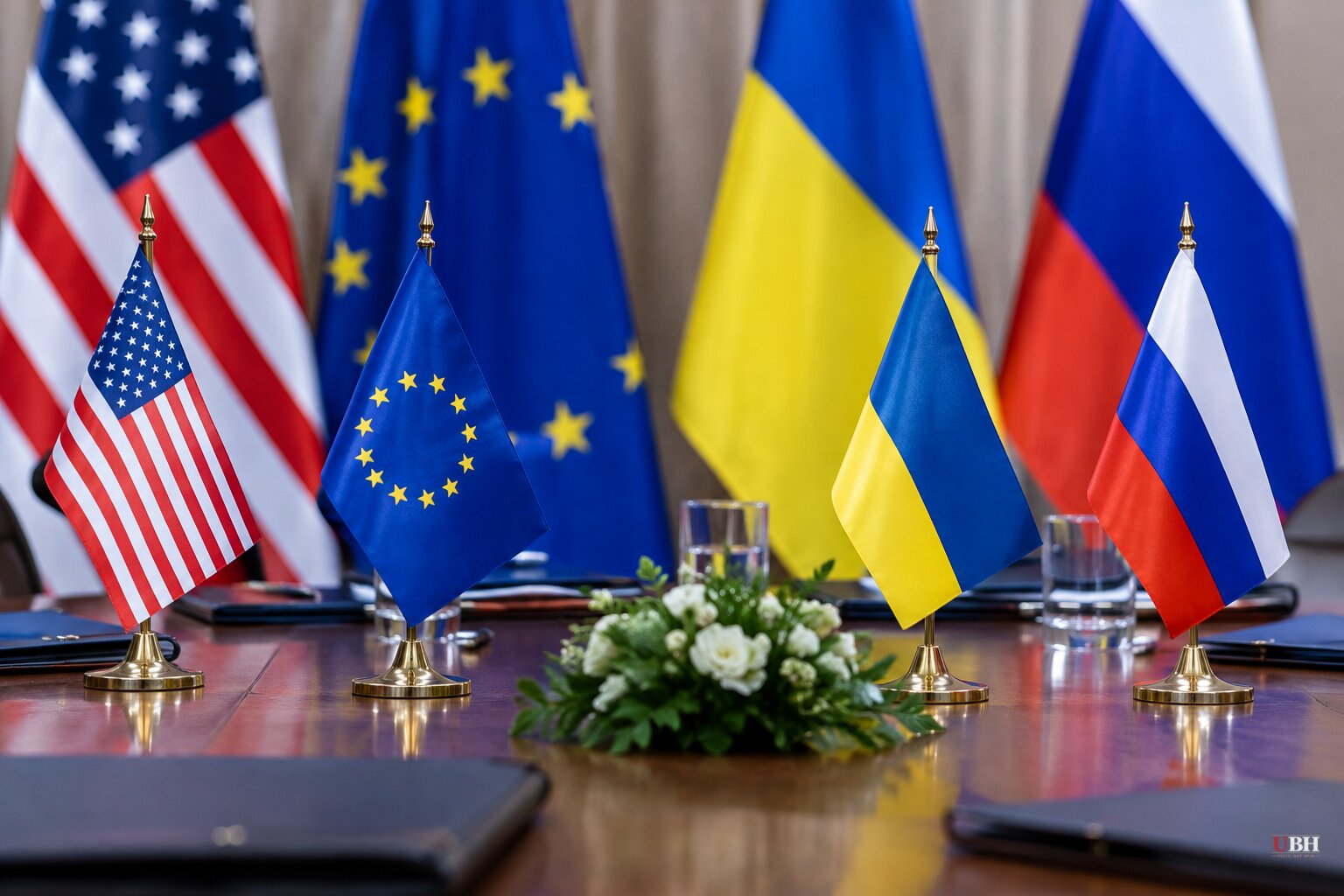
Since Trump, Xi and Putin met in Shenzhen on Thursday, Nov. 19, the argument has shifted to a different question: who gets a seat when Ukraine talks actually start. European leaders answered it from Berlin the same day.
At a press conference after a Coalition of the Willing summit, German Chancellor Friedrich Merz said four-way talks among Ukraine, Russia, the United States and Europe could "take place very soon." He gave no date. He said organizers are looking at "neutral" venues and named the United Arab Emirates as an example.
"If peace negotiations take place, we will contribute to them," Merz said. "Negotiations involving Ukraine and Europe can only succeed if conducted together. A Yalta-style format will not bring peace."
He described the Shenzhen meeting as "above all a photo opportunity."
Berlin's message to Moscow
Merz hosted Ukrainian President Volodymyr Zelensky, French President Emmanuel Macron, British Prime Minister Andy Burnham, and U.S. envoys Jared Kushner and Steve Witkoff. Leaders from around 40 countries were present at the meeting.
He handed each guest a piece of the Berlin Wall. The wall, he said, stood meters from the venue and brought "oppression, insecurity and a lack of peace" — "exactly what Yalta stood for." Then he invoked Reagan, who stood in Berlin in 1987 and called on Gorbachev to tear down the wall. "Today we say: President Putin, end the war in Ukraine, and let us work together to find diplomatic solutions."
Merz also said a conditional lifting of sanctions on Russia could be considered if there were meaningful progress toward peace. He said Washington can count on Germany's cooperation as long as both countries share the same objectives.
What Washington told the Europeans
The coalition said it welcomed what Merz called the U.S. move to initiate new negotiations with Russia. He said he hopes to work as a "team with Kyiv and Washington."
Kushner said Trump dialed into the Berlin meeting and gave his assessment of his talks with Xi and Putin. According to Kushner, Trump conveyed "a very strong message to both of them on the desire for peace" and came away believing peace is achievable. Witkoff said Trump made "Ukraine and a peaceful end to this" a central part of his message at the trilateral talks.
Trump himself said, as he left China, that he is charting a "different course" in foreign policy and described both Xi and Putin as friends. Polish Prime Minister Donald Tusk, as allies of Ukraine gathered in Berlin, posted: "God, protect us from such friends."
Putin's position
Speaking in Shenzhen after the summit, Putin offered a different picture. He said Russia agreed to the compromise proposals discussed with Trump going back to the Alaska summit, and that the open question is whether Ukraine and its European sponsors do too. "As far as we can tell, not at this point," he said.
Before leaving for Russia, Putin also said Moscow has proposed, through diplomatic channels, that the Europeans come to Moscow so their position can be clarified. "Once that is done, we will decide on the format for continuing the dialogue with Ukraine," he said.
That is not the neutral-venue, four-way setup Merz described. Moscow is proposing that Europeans come to it first.
Putin also addressed this week's Ukrainian strikes on the Crimean bridge. He said he had deliberately ordered that the bridge not be used for military logistics, to preserve its status as purely civilian infrastructure. Kyiv insists it is a legitimate military target. Putin warned that Russia will not seek an agreement but will respond to the strikes, and that the response "will be far more painful than what the Kiev regime did to the bridge."
What is on the table
No diplomatic breakthrough came out of Shenzhen. The leaders issued a "declaration toward peace," but it offered no concrete roadmap for ending the Ukraine war, and Ukraine was not represented at the meeting. The sit-downs were short. Trump's bilateral with Putin lasted 42 minutes, his talks with Xi about an hour, and the three-way session an hour and a half.
Europe's concern is a settlement made over Kyiv's head. Moscow's stated view is that Ukraine and its European backers are the obstacle. Washington's envoys say Trump wants peace and is engaging both Xi and Putin. Merz's "very soon" and Putin's Moscow invitation point to different formats, and they have not been reconciled.
Trump has said he will hold a news conference Friday, Nov. 20, as he heads back to the U.S. Whether he addresses Putin's invitation to the Europeans, and whether European leaders accept it, will show how soon any four-way talks can begin.
Sources used for this briefing
8 links from 8 independent newsrooms (syndicated copies of the same report count once)
These are the sources it draws on, linked so you can verify.
More coverage: Ukraine


