
Unbiased headlines. Facts, not spin.
Every story is an unbiased news briefing written from 110+ sources across the spectrum — sources linked so you can verify it yourself.
 politics
Major Story (7/10)
July 25, 2026 at 08:11 PM
politics
Major Story (7/10)
July 25, 2026 at 08:11 PM
Massachusetts Judge Blocks Ethiopia TPS Termination Weeks After Supreme Court Limited That Power
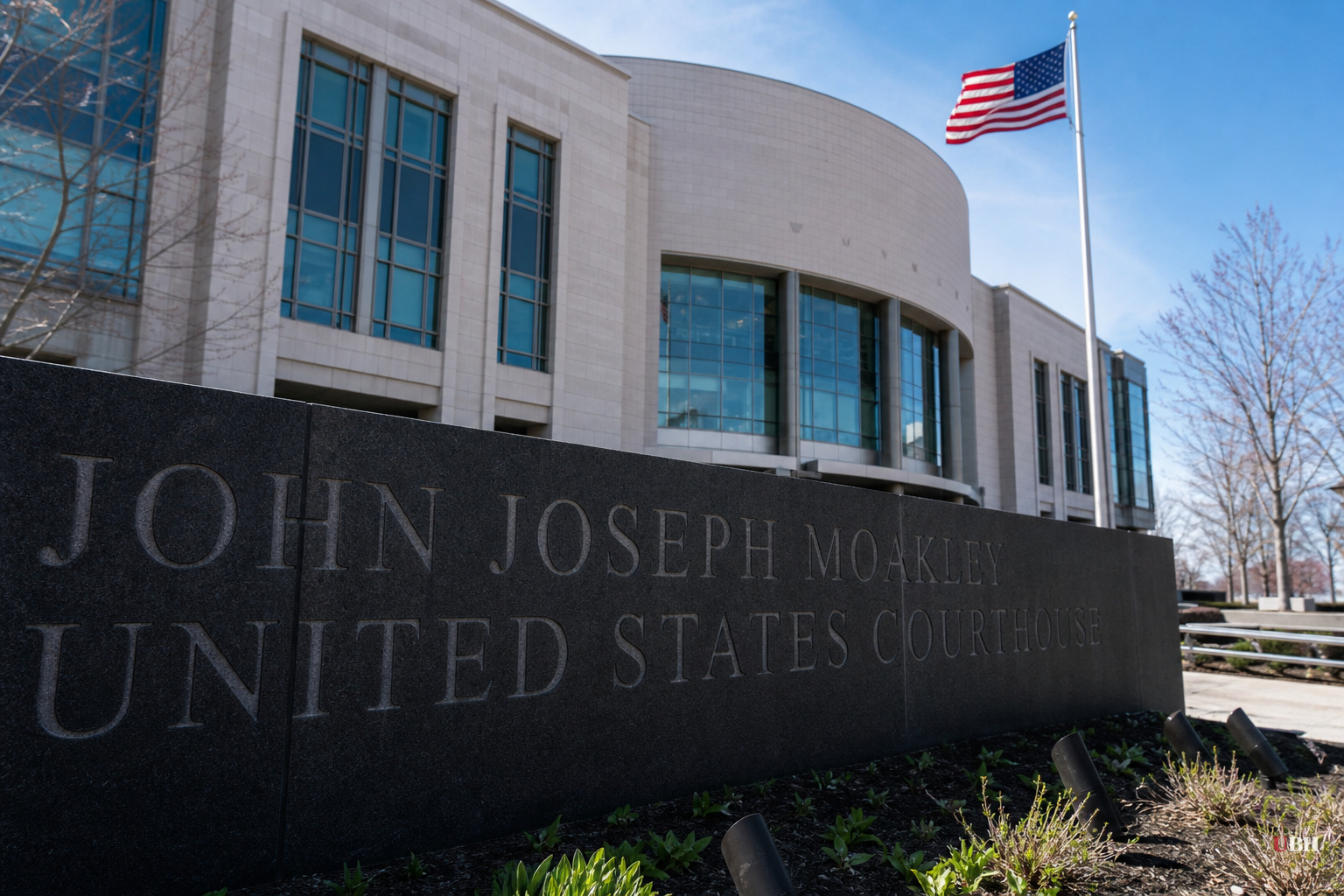
A second TPS fight lands in front of the same judge
U.S. District Judge Brian Murphy of the District of Massachusetts issued an administrative stay on Friday in African Communities Together v. Mullin, temporarily blocking the Trump administration from ending Temporary Protected Status for Ethiopian nationals. The order pauses termination while Murphy considers whether the plaintiffs can pursue constitutional claims separate from the statutory dispute the Supreme Court already ruled on.
This isn't a simple case of a judge ignoring the Supreme Court. It's a case of a judge deciding whether a narrow constitutional lane still exists after the Court closed off the broader one.
What the Supreme Court actually decided
In June, the Supreme Court ruled 6-3 in Mullin v. Doe that the administration can terminate TPS designations for Haitian and Syrian migrants, significantly narrowing the ability of lower courts to second-guess DHS decisions on TPS terminations. Fox News Legal Editor Kerri Urbahn covered the ruling as a major win for President Trump's immigration agenda.
The ruling addressed the statutory question: how much deference DHS gets when it decides a country's TPS designation should end. It did not, on its face, resolve every possible constitutional argument plaintiffs might raise. That gap is what Murphy's Friday order is wading into.
The Ethiopia timeline
The dispute over Ethiopia's TPS status goes back to December 2025, when then-DHS Secretary Kristi Noem determined that conditions in Ethiopia no longer justified the designation and moved to terminate it. Under DHS's notice, the wind-down period was set to end Feb. 13, 2026, before Murphy intervened with an earlier order halting that termination.
Friday's stay is the latest step in that same fight, not a new case out of nowhere. Murphy is weighing whether plaintiffs can still argue their claims on constitutional grounds even after the Supreme Court trimmed back the statutory route.
DHS calls it "mutiny"
DHS General Counsel James Percival didn't hold back. He accused Murphy of "mutiny" against the Supreme Court on X, tying Friday's order to Murphy's history on immigration cases.
Percival specifically revived a May 2025 controversy in which Murphy halted a deportation flight headed for South Sudan. That order forced ICE officers to land at a U.S. military base in Djibouti, where DHS says they faced malaria exposure and the threat of rocket attacks from terrorist groups operating across the border in Yemen.
"Remember when that district judge rerouted a plane with child rapists headed for South Sudan? The judge made ICE land in Djibouti to face Malaria and terrorist rocket attacks from Yemen," Percival wrote. "Fun fact: it was the very same Judge Brian Murphy who entered a lawless TPS order today!"
That's a serious allegation about operational risk to ICE personnel and DHS's account of what happened. But it's also a separate legal question from whether Friday's stay is lawful. Whether ICE officers were endangered by the May 2025 flight order doesn't by itself answer whether Murphy's Ethiopia ruling correctly interprets what the Supreme Court left open in Mullin v. Doe.
The strongest case for the other side
Attorneys for the Ethiopian TPS holders and advocacy groups like African Communities Together argue their clients face real danger if protections lapse, given ongoing instability tied to Ethiopia's civil conflict and humanitarian crisis. One attorney warned publicly that the Supreme Court's ruling will cause Americans to "die and suffer," a claim tied to broader arguments that TPS terminations remove legal status from people who've built lives in the U.S. over years.
Whether that argument holds up as a constitutional claim distinct from the statutory issue the Supreme Court already decided is exactly what Murphy is now being asked to sort out. Courts across the country have split before on how much room Mullin v. Doe actually leaves.
What happens now
Murphy's stay is administrative and temporary. It doesn't decide the underlying constitutional claim. It just pauses termination while he rules on whether that claim can proceed at all.
If Murphy allows the constitutional claims to move forward, expect DHS to appeal immediately to the First Circuit, and possibly seek emergency relief from the Supreme Court, arguing Murphy is defying Mullin v. Doe in substance if not in name. If he rejects the claims, Ethiopia's TPS termination proceeds on the same track Haiti's and Syria's did after the Supreme Court's June ruling. Either way, this is headed for appellate review well before it's settled.
Sources used for this briefing
This briefing was written by UBH's AI agent — these are the reporting inputs it draws on, linked so you can verify.


