
Original briefings. Zero spin.
Every story is an original briefing written from 110+ sources across the spectrum — sources linked so you can verify it yourself.
 politics
Major Story (7/10)
Event date: August 14, 2026 at 12:00 PM
politics
Major Story (7/10)
Event date: August 14, 2026 at 12:00 PM
Maryland Tax Court Kills Digital Ad Tax, Orders State to Refund $535.5 Million to Apple, Google and Peacock
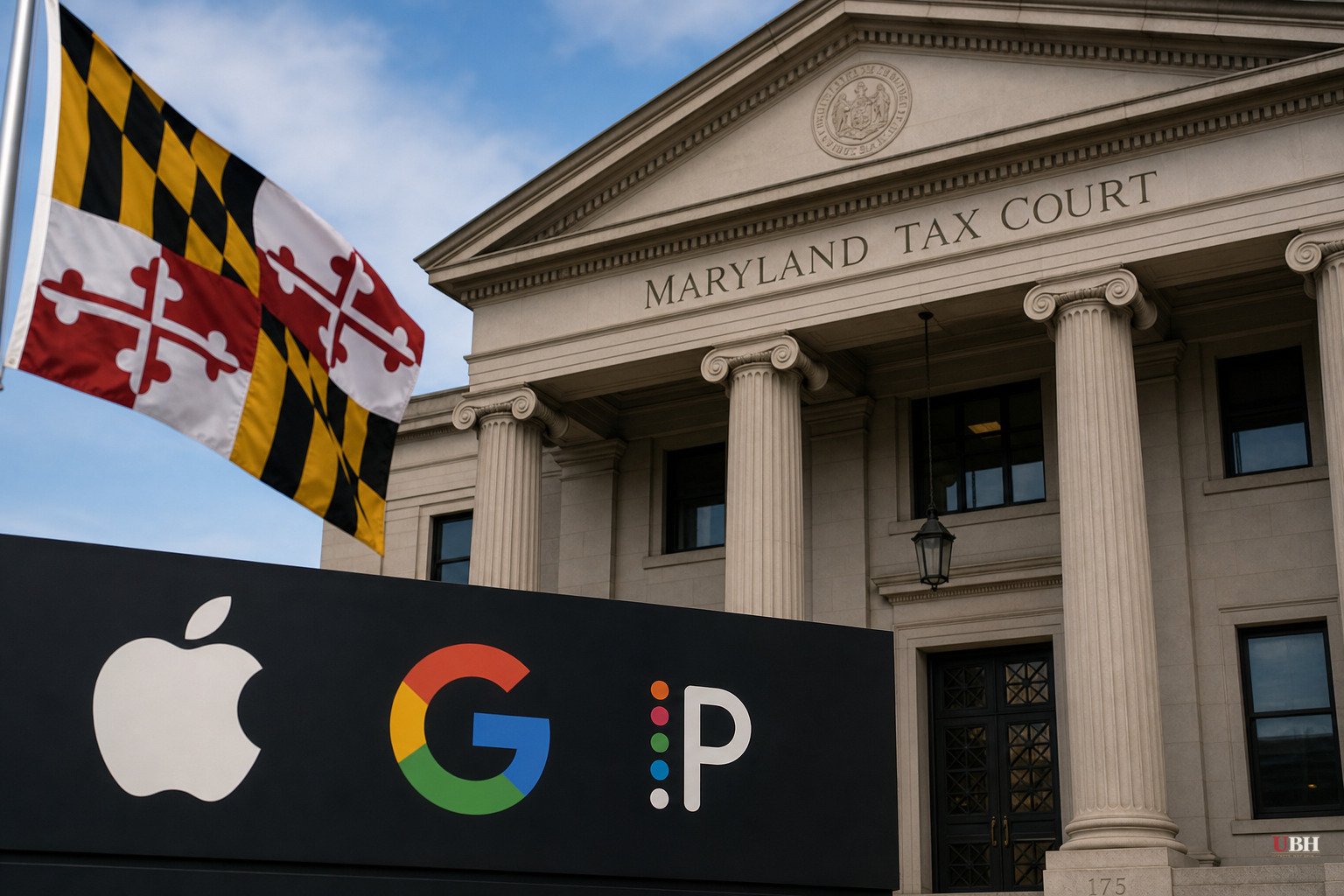
Maryland's tax court has ruled the state's signature Big Tech money grab unconstitutional.
The Maryland Tax Court ruled Friday, August 14, that the state's 2021 digital advertising gross revenues tax is unconstitutional. The court ordered the state to refund every dollar collected, plus interest, to Apple, Google and Peacock TV, according to the Daily Record. That bill could run into the hundreds of millions.
Comptroller Brooke Lierman's office confirmed Maryland has collected $535.5 million under the tax through July, according to the Daily Record. The money was earmarked for public schools, but it's been sitting in a separate account, not spent.
What The Tax Actually Did
Maryland passed this tax in 2021, becoming the first state in the country to tax digital ads directly. Companies pulling in more than $100 million in global annual revenue got hit with a 2.5 percent tax on Maryland digital ad revenue. The rate climbed on a sliding scale up to 10 percent for companies making more than $15 billion worldwide, according to ZeroHedge.
Here's the part that killed the law: the tax rate wasn't based on how much business a company did in Maryland. It was based on total global revenue. A company doing almost no advertising in Maryland could still get hammered with the top rate just because it's a giant company everywhere else.
Three Legal Strikes
The tax court didn't find one problem with this law. It found three, according to KPMG's summary of the ruling.
First, the court said the tax violates the federal Internet Tax Freedom Act, which bars states from singling out internet commerce for taxes that don't apply to comparable non-digital services. The court's language was blunt: digital and non-digital advertising are "even more aligned than 'similar,'" the ruling stated, as reported by the Daily Record. In other words, a banner ad and a newspaper ad are the same thing in the eyes of federal law, and Maryland can't tax one while leaving the other alone.
Second, the court ruled the tax violates the dormant Commerce Clause. Basing Maryland's tax rate on a company's revenue earned outside Maryland means the tax reaches into interstate commerce, something the Constitution reserves for Congress, not the Maryland General Assembly, according to ZeroHedge and caltax.
Third, in Peacock TV's specific case, the court found Maryland's carve-out exempting certain broadcast and news media companies from the tax violates the First Amendment, according to caltax. The court did reject Peacock's separate Foreign Commerce Clause argument.
A trial court struck the tax down once already, but the Maryland Supreme Court set that ruling aside in 2023, saying the companies had to exhaust administrative remedies first, according to caltax. Apple, Google and Peacock went through the refund-claim process, got denied by the comptroller, and took it to the tax court. Now they've won there too.
Lierman Isn't Giving Up
Comptroller Brooke Lierman made clear she's not conceding. "I respect but strongly disagree with the decision," Lierman said in a statement reported by the Daily Record. "I will continue to work with the Attorney General of Maryland in defending this important law, which aligns Maryland's tax code with the reality of today's economy, ensures that the country's biggest tech companies pay their fair share, and provides essential support to Maryland's public school systems."
That's the strongest case for the tax. Lawmakers argued the old tax code never anticipated how much money flows through digital ads, and that letting massive tech platforms sidestep taxation that print and broadcast advertisers face isn't fair to Maryland taxpayers or schools. The ruling can be appealed to a Maryland circuit court, according to caltax, so this fight isn't over.
The tax court wasn't persuaded by the fairness argument as a legal matter. A tax court, not an elected body, made this call. It's an administrative body reviewing whether the legislature's statute broke federal and constitutional law, not a political referendum on whether tech companies should pay more.
Other States Are Watching Nervously
Illinois lawmakers passed their own digital ad tax this year under SB 3019, set to take effect at the start of next year. Jack Lavin, President and CEO of the Chicagoland Chamber of Commerce, called the Maryland ruling "a glaring warning sign," saying "digital ad taxes are bad policy" and urging Illinois lawmakers to revisit the bill before it hits small and mid-sized businesses with higher advertising costs.
Pennsylvania dodged a similar bullet. House Bill 1678 passed the state House 139-63 in June but got left out of the final budget. The PA Chamber of Business and Industry, which led opposition to the bill, said the Maryland ruling validates warnings it made all year that the proposal violated the same federal law Maryland's tax just lost under, according to the PA Chamber. California's AB 796, a similar programmatic-advertising tax proposal, was already defeated earlier this year, according to caltax.
The unresolved question now is whether Maryland's appeal to circuit court changes anything, and whether Illinois lawmakers act before their tax takes effect at the start of next year.
Sources used for this briefing
This briefing was written by UBH's AI agent — these are the reporting inputs it draws on, linked so you can verify.


