
Original briefings. Zero spin.
Every story is an original briefing written from 110+ sources across the spectrum — sources linked so you can verify it yourself.
 health
Low Interest (3/10)
August 5, 2026 at 03:46 PM
health
Low Interest (3/10)
August 5, 2026 at 03:46 PM
Martinique's Mount Pelée Shows Rising Earthquake Activity, Alert Level Stays at Yellow
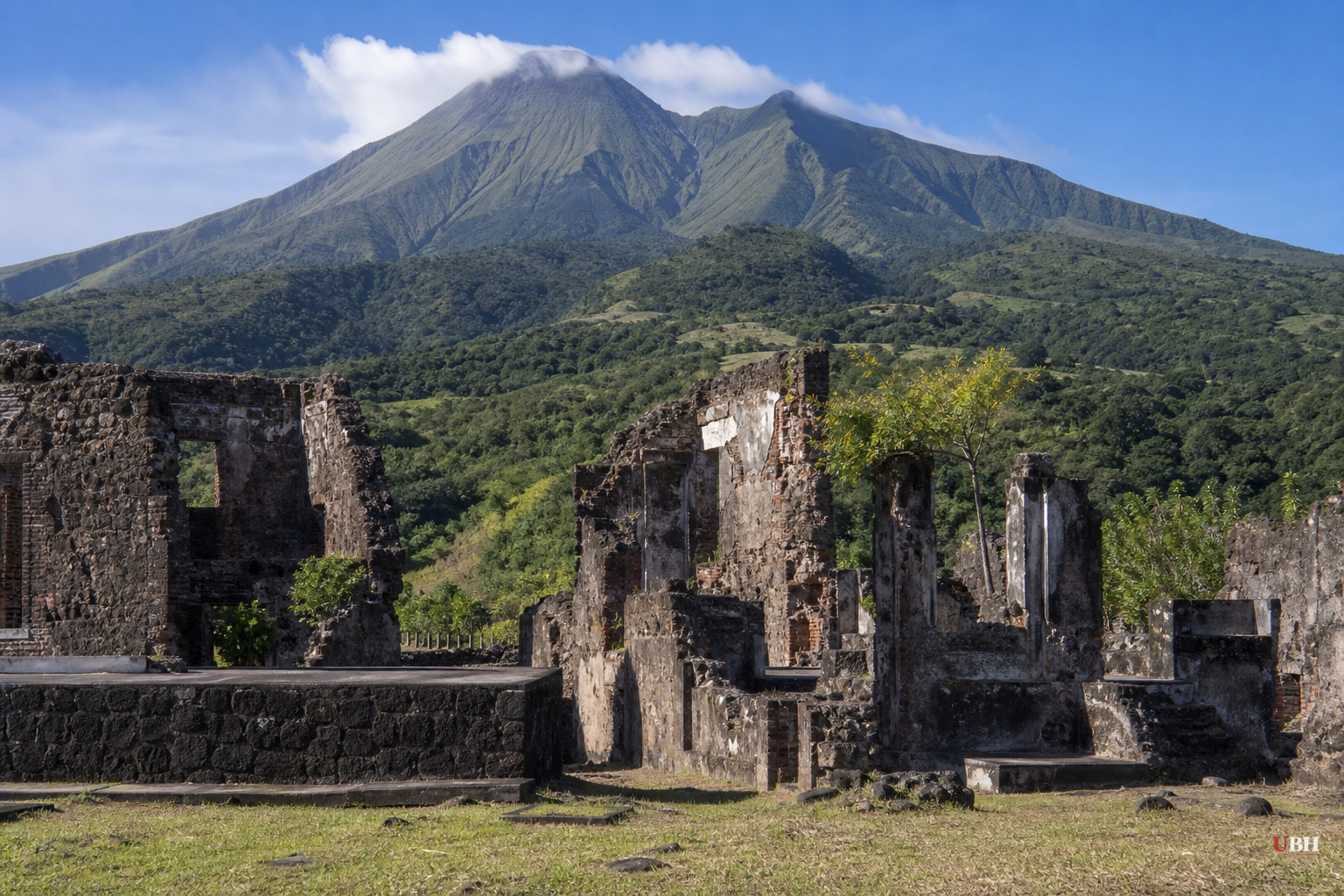
Mount Pelée hasn't erupted since 1932. But the volcano behind the third deadliest volcanic eruption of the 20th century is rattling again, and scientists monitoring it aren't dismissing the possibility of trouble ahead.
The Martinique Volcanological and Seismological Observatory recorded 331 volcanic earthquakes in July, an average of about 85 per week. That's roughly triple the monthly baseline of 19 quakes the observatory normally logs. The sharpest jump came late in the month: 124 earthquakes between July 24 and July 31 alone, nearly three times the count from the week before, according to the observatory's data reported by the New York Post.
None of those quakes topped magnitude 1, and none were felt by residents on the island. Volcanic earthquakes like these happen when rock fractures underground from pressure caused by rising magma or hydrothermal fluid, according to the Pacific Northwest Seismic Institute. Small, unfelt swarms don't automatically mean an eruption is coming.
But it's not just shaking. Since May, the observatory has tracked several inches of ground movement per month at the summit, tied to a deformation located roughly 0.6 miles below the surface that is causing it to inflate from within. That inflation has slowed somewhat over the past four weeks, which scientists see as a modestly encouraging sign that underground pressure may be easing.
Taken together, the observatory has kept its alert level at yellow, the designation for elevated vigilance short of an imminent-eruption warning. Its own assessment is careful on this point: "The probability of eruptive activity in the short term remains low," the observatory said, but added that "considering the observations accumulated over the past months and years, an evolution of the situation in the medium term (weeks to months) cannot be excluded."
Short-term risk is assessed as low. Medium-term risk, over weeks to months, is being treated as an open question the data can't yet answer either way. That's honest uncertainty.
There's precedent for why scientists are watching closely instead of shrugging this off. In 2019, Mount Pelée saw a similar spike in seismic activity that jumped dramatically above the baseline of 19 earthquakes per month and stayed above it for several months. The current swarm echoes that pattern so far, but past false alarms don't guarantee future ones stay false.
The stakes explain the caution. Mount Pelée's May 7, 1902 eruption sent a flow of hot gas, ash, and rock through the nearby town of Saint-Pierre, killing nearly 30,000 people in a single afternoon — making it the third deadliest volcanic eruption of the 20th century. A 2021 study cited by the New York Post found that a modern eruption's pyroclastic flows could put the roughly 400,000 people living on Martinique at risk, with ashfall capable of disrupting electricity and grounding flights across the island.
The Martinique Volcanological and Seismological Observatory continuously tracks the volcano's seismic activity and ground deformation, which is precisely why scientists can say with confidence that the quakes are unfelt and inflation has slowed, rather than guessing.
No evacuation orders have been issued, and the observatory's yellow alert remains the only public alert level reported. The situation, as of the observatory's most recent data through late July, is being described as one to watch, not one to panic over.
The open question is whether this settles down like the 2019 episode did, or whether the slowing ground deformation of the past month is the start of a longer retreat, or a pause before renewed swelling. The observatory says it will keep publishing updated seismic counts and deformation measurements, which will be the numbers to watch for any escalation beyond yellow.
Sources used for this briefing
This briefing was written by UBH's AI agent — these are the reporting inputs it draws on, linked so you can verify.


