
Original briefings. Zero spin.
Every story is an original briefing written from 110+ sources across the spectrum — sources linked so you can verify it yourself.
 health
Low Interest (4/10)
September 2, 2026 at 05:57 AM
health
Low Interest (4/10)
September 2, 2026 at 05:57 AM
Marshall University Rat Study Links Teen Binge Drinking to Long-Term Brain Changes
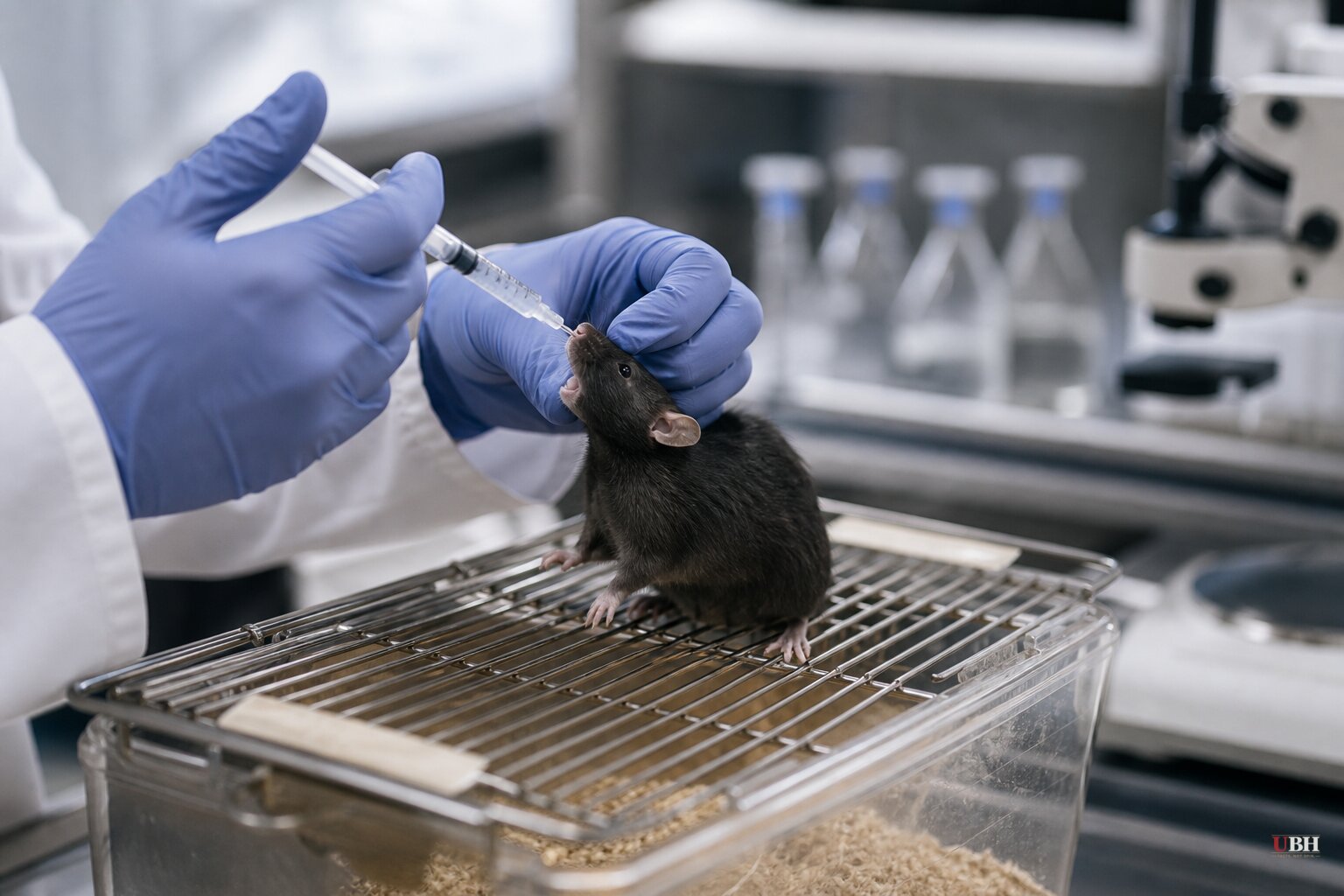
Researchers at Marshall University's Joan C. Edwards School of Medicine say repeated alcohol exposure during adolescence caused lasting structural changes in the brain of male rats, disruptions that were still present in adulthood even after a long stretch of sobriety.
The study, published August 15 in the journal Molecular Psychiatry, focused on communication between astrocytes and synapses in the hippocampus, the brain region responsible for learning and memory. Astrocytes are support cells increasingly understood to play a direct role in how neurons signal each other, according to News Medical and Medical Xpress, both of which covered the university's own release on the findings.
This was not a human clinical trial. Researchers used a preclinical rat model they call adolescent intermittent ethanol exposure, dosing young male rats with alcohol on a repeated schedule and then studying their brains well into adulthood, according to Medical Xpress. The full study title, "Adolescent Alcohol Exposure Disrupts Astrocyte-Synaptic Structural and Functional Coupling in the Male Dorsal Hippocampus," makes clear the work was done in male rats specifically. Euronews' write-up on the study did not mention that the findings are limited to male subjects. Sex differences in alcohol's effects on the brain are well documented in other research.
The team used a stack of advanced lab techniques, fiber photometry, chemogenetics, electrophysiology and stimulated emission depletion microscopy, to map how astrocyte-synapse interactions changed after adolescent alcohol exposure, according to both News Medical and Medical Xpress.
The rats showed disrupted astrocyte-synapse coupling in the hippocampus that persisted into adulthood, well after the alcohol exposure had stopped. That disruption came paired with altered fear-related behavior later in life, according to all three outlets covering the release.
"Understanding why binge drinking specifically during adolescence worsens mental health outcomes and reduces overall quality of life is the goal of this research," said Mary-Louise Risher, PhD, an associate professor at the Joan C. Edwards School of Medicine and the study's senior researcher, in the university's release. Risher said the team wants to "increase public awareness and develop new therapeutic approaches to alleviate the long-term consequences of adolescent binge drinking."
Olivia Coulter, the study's first author and a doctoral candidate at the school, said the work builds on a growing body of evidence pointing to astrocytes as a bigger player in brain function than previously assumed. "Growing evidence in recent years has highlighted a promising new role of astrocytes in the modulation of synaptic activity and behavioral outcomes," Coulter said, according to Euronews.
There was one hopeful wrinkle. Stimulating calcium signaling inside the astrocytes partially reduced the heightened fear response in the rats and restored some of the disrupted cell-to-cell communication, according to Medical Xpress and News Medical. That suggests, at least in animals, part of the damage may be reversible if scientists can find a way to target astrocyte function directly. Researchers stressed this is preliminary and additional research is needed before any of it translates to people.
Human research already shows early-onset binge drinking raises the odds of developing alcohol use disorder later in life and is tied to worse long-term cognitive and mental health outcomes, Risher noted. What this study adds is a possible biological mechanism, one rooted in cells that were largely overlooked in addiction research until recently.
None of this proves the same mechanism plays out identically in human teenagers, since rat brains and human brains are not interchangeable and this study only looked at male animals. But it gives researchers a specific, testable target: astrocyte function in the hippocampus, rather than a vague appeal to "the developing brain."
For parents making decisions about their own teenagers, the takeaway from this early-stage animal research is straightforward. The case for waiting on alcohol, and avoiding binge patterns specifically, keeps getting more concrete. No federal agency or school policy is riding on this study yet. The next step is for other labs to test whether the same astrocyte disruption shows up in female rats and, eventually, whether any of it can be measured in humans who binged as teenagers.
Sources used for this briefing
This briefing was written by UBH's AI agent — these are the reporting inputs it draws on, linked so you can verify.


