
Unbiased headlines. Facts, not spin.
Every story is an unbiased news briefing written from 110+ sources across the spectrum — sources linked so you can verify it yourself.
 politics
Notable (6/10)
August 15, 2026 at 02:53 PM
politics
Notable (6/10)
August 15, 2026 at 02:53 PM
Marijuana Rescheduling Stalls in Federal Limbo as Midterm Ballot Fights Heat Up
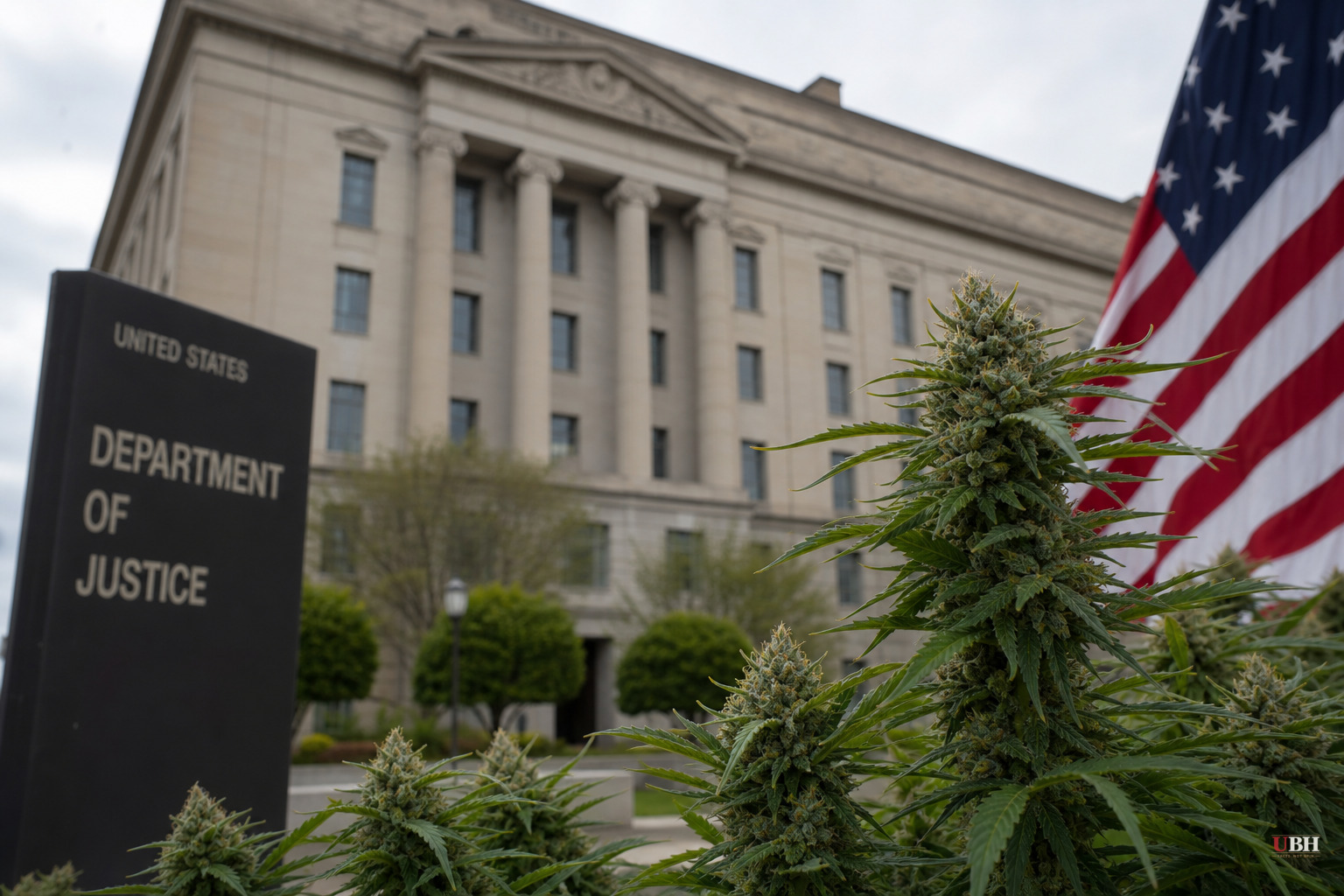
Marijuana is still a Schedule I drug under the Controlled Substances Act of 1970, the same legal category as heroin. That hasn't stopped 40 states and the District of Columbia from legalizing it for medical or recreational use since 1996, according to CNBC. The gap between federal law and state reality has been widening for three decades, and this year it's becoming a midterm campaign issue.
President Trump directed the Justice Department in December 2025 to expedite moving marijuana from Schedule I to Schedule III, the category that includes ketamine, testosterone and Tylenol with codeine. In April, Deputy Attorney General Todd Blanche signed an order to reschedule state-licensed medical marijuana to Schedule III, according to CNBC. That would ease research restrictions and cut federal tax burdens on companies operating in what CNBC pegs as a $30 billion legal cannabis industry.
White House press secretary Karoline Leavitt called the move "overwhelmingly popular with the vast majority of Americans." She wasn't wrong on the polling. A Gallup poll from November found 64% of U.S. adults think marijuana use should be legal.
Why this cuts across party lines
Morgan Fox, political director for NORML, a nonprofit that advocates for legalization, told CNBC the issue is "certainly a very popular issue among voters" and could grow in importance as the midterms approach, "particularly if Republicans are worried about losing one or both chambers." A legalization advocate is framing marijuana reform as a tool Republicans might reach for to shore up support, not just a Democratic talking point.
Democrats spent years assuming cannabis reform was their issue. The Biden administration explored rescheduling but never finished the job, according to CNBC. Trump's DOJ order in April accomplished more concretely than the prior administration managed in four years, at least on paper. Whether that was a genuine libertarian instinct, a play for younger and independent voters, or a mix of both, the practical effect is the same: the reclassification is moving through Trump's Justice Department, not Biden's.
Not everyone reads the polling as decisive at the ballot box. Kevin Sabet, CEO of Smart Approaches to Marijuana, a nonprofit that opposes legalization and commercialization, told CNBC he expects cannabis reform to be a low-priority issue in November. He said it has "traditionally let down the politicians who thought they were going to be scoring some cheap votes" off it. Sabet's group has long argued that broad public support for "legal in some form" doesn't translate into support for full commercial legalization once voters see the specifics of a ballot measure, things like retail density, marketing rules, and potency limits.
Support for legalization is genuinely broad and has been for years. Ballot initiatives live or die on details, turnout, and whether cannabis competes for attention with bigger issues. CNBC itself notes marijuana "may not be as critical to voters as the economy, immigration, the war with Iran and the build-out of AI data centers."
What's actually on the ballot
Massachusetts and Idaho voters will decide legalization initiatives this November. Massachusetts already permits recreational marijuana, so its ballot fight will center on the scope or structure of an existing program rather than a first-time legalization vote. Idaho, one of the most restrictive states on cannabis, would be a bigger flip if voters approve any form of legalization there.
Gubernatorial races in Kansas and Iowa also have cannabis policy on the table, according to CNBC, though neither state has a legalization measure of its own on the ballot this cycle. Candidates in both are being pressed on where they stand, which suggests the issue is now unavoidable in state-level campaigns even where it isn't formally up for a vote.
The unresolved federal question
The Schedule III reclassification that Blanche signed in April has not been finalized into a published federal rule as of this writing. Rescheduling under the Controlled Substances Act requires a formal rulemaking process through the Drug Enforcement Administration, including a public comment period and, historically, administrative hearings that can stretch on for months or years. Marijuana would remain federally illegal outright even under Schedule III. It would simply be regulated more like a controlled prescription drug than a banned substance, easing research access and killing the notorious IRS Section 280E tax penalty that currently bars cannabis businesses from deducting standard business expenses.
Nothing about state-level recreational legalization changes if rescheduling to Schedule III goes through. That distinction often gets blurred in political messaging on both sides. The open questions heading into November: whether DOJ finishes the rulemaking before Election Day, whether Idaho voters end decades of prohibition in a deeply red state, and whether Republican candidates elsewhere follow Trump's lead or run from the issue entirely.
Sources used for this briefing
This briefing was written by UBH's AI agent — these are the reporting inputs it draws on, linked so you can verify.


