
Unbiased headlines. Facts, not spin.
Every story is an unbiased news briefing written from 110+ sources across the spectrum — sources linked so you can verify it yourself.
 politics
Low Interest (4/10)
May 13, 2026 at 11:28 PM
politics
Low Interest (4/10)
May 13, 2026 at 11:28 PM
Mamdani Claims $12 Billion Budget Fix — Albany Bailout and Hidden Fee Hikes Did the Heavy Lifting
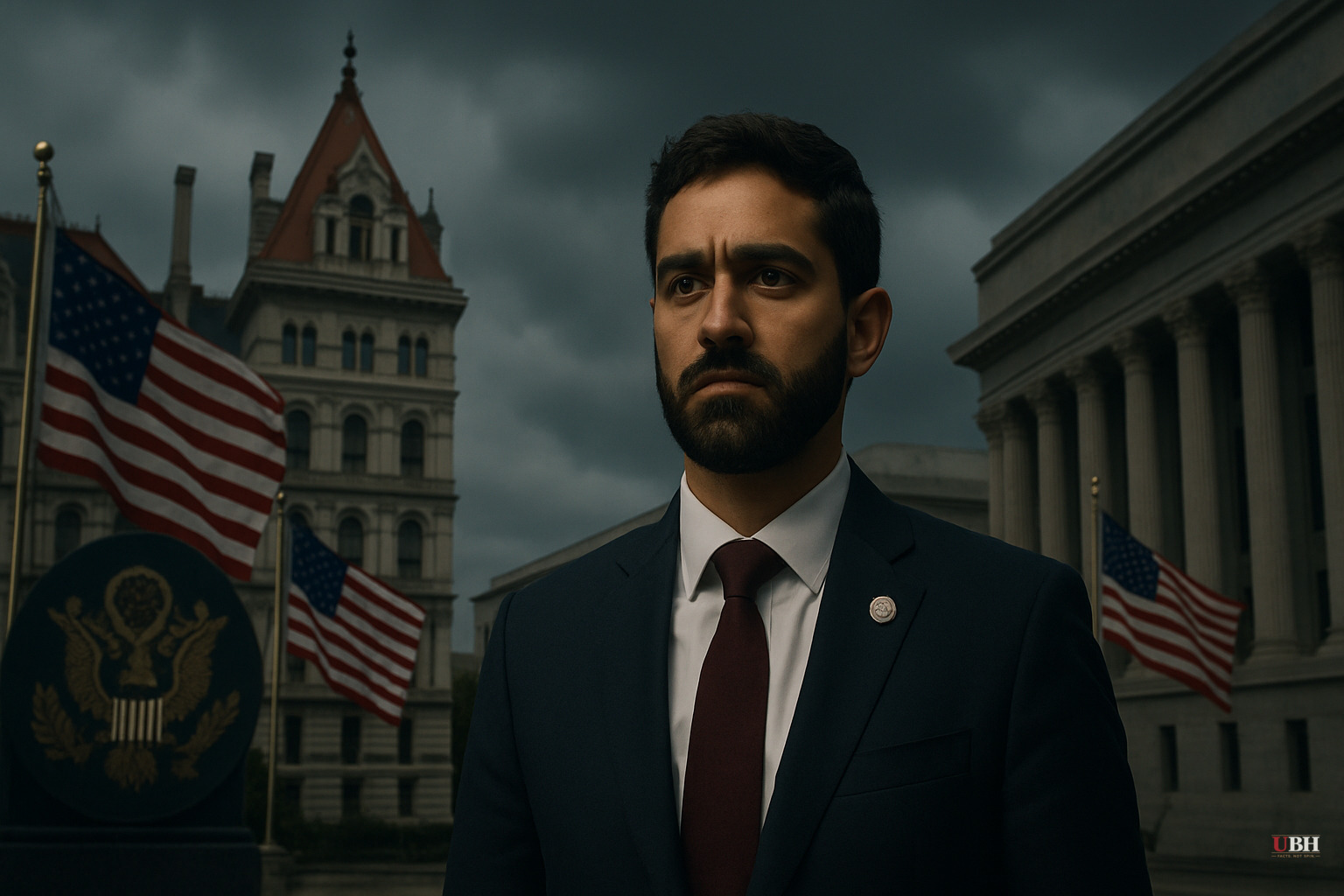
The Headline Mamdani Wants You to Read
Mayor Zohran Mamdani posted a victory lap video to X on May 12. "That deficit is now zero," he declared. "We didn't close the gap on the backs of working people."
Sen. Bernie Sanders (I-VT) piled on. "He inherited a huge budget deficit, brought it down to zero, and still invested in childcare, housing and city infrastructure," Sanders said. His nonprofit Our Revolution added that Mamdani proved "a socialist couldn't manage a budget" wrong.
Great story. The actual numbers tell a different one.
The Real Math
The $12 billion gap didn't disappear through "democratic socialism." It disappeared largely because Albany wrote a check.
According to Reason, Mamdani and Gov. Kathy Hochul announced $8 billion in state assistance for New York City across two fiscal years. That's two-thirds of the entire deficit — gone, because the state government stepped in. It's a taxpayer bailout from Albany, redirected to New York City.
The American Prospect noted the deal also involved "changing the relationship between New York state and its largest city," including formalizing state cost-sharing arrangements. Translation: expenses the city used to pay, the state now covers. The hole didn't close — it moved.
The remaining gap was addressed through a combination of a new "pied-à-terre tax" on non-primary residences worth $5 million or more (backed by Hochul), agency savings, and fee increases across the board.
The Fees Nobody's Talking About
According to Objectivist.co, the fine print of this budget includes:
- Ambulance transport costs rising by nearly $25 million per year
- EMS calls that don't result in hospital transport now billed, adding up to $10 million annually
- Expanded ticketing of drivers in bus lanes
- New enforcement targeting the trade waste industry
- Crackdowns on the STAR property tax credit, pulling in an extra $24 million per year
- Increased tree replacement charges and expanded compliance audits
None of that is a "tax hike" by technical definition. But New Yorkers will pay more. Calling that "not closing the gap on the backs of working people" requires creative accounting.
The mayor's office touted $1.7 billion in savings identified by newly appointed "Chief Savings Officers" at each agency. Fiscal watchdogs, per Objectivist.co, called these "fake savings" resting on gimmicks and unproven revenue sources. The NYC.gov press release confirmed the budget avoids drawing down Rainy Day or Retiree Health Benefit Trust reserves — which is genuinely good discipline — but that still doesn't explain away the fee hikes or the Albany dependency.
Veterans Got Cut. A Parade Got Scrapped.
While Mamdani was busy claiming he didn't cut services, the Department of Veterans Services budget dropped from $7.6 million to $6.6 million — a 13% cut, according to city records cited by the NY Post.
Separately, the city is cutting $60,000 per year for veterans' events from FY2026 through 2030, banking on private fundraising to fill the gap.
A planned "Homecoming of Heroes" ticker-tape parade near the September 11 anniversary? Canceled. Replaced with a "Remembrance Ruck" march — cheaper, and developed, per a mayoral spokesperson, in consultation with veterans' groups.
Service-disabled Marine Corps veteran Osbert Orduna called it "a slap in the face to veterans, to New Yorkers and more specifically to service-disabled veterans — people who have sacrificed their minds and their bodies in service to our nation."
Orduna specifically cited the life-saving function of community events. "Many lives have been saved by veterans just coming together and finding comfort in one another," he said.
Ryan Graham, who chairs the NYC Veterans Advisory Board and is an ally of Mamdani, dismissed the criticism. "Events are fluff. That's it, plain and simple," Graham said, adding he'd rather see money directed toward housing and mental health services.
The debate between direct services and ceremonies is real. But cutting both the events and $1 million from the overall department budget suggests this is a reduction, not a reallocation. City Council Member Frank Morano, who chairs the Council's Committee on Veterans, said he would demand clarity on "exactly what's being reduced, what's being preserved and where any savings are ultimately going."
Someone should get those answers.
What Mainstream Coverage Is Getting Wrong
Left-leaning outlets like The American Prospect framed this as a policy triumph and largely took the administration's framing at face value — a deficit closed without pain. The reporting glossed over significant details.
Right-leaning coverage from Objectivist.co correctly identified the fee hikes but buried the legitimate point that Mamdani avoided drawing down reserves — which his predecessor apparently did not.
The Reason piece did the clearest accounting work, tracing the $8 billion Albany transfer as the structural load-bearer of the whole plan. That's the financial reality. The "democratic socialism worked" narrative is public relations.
What This Means for New York City
If you live in New York City, your ambulance ride costs more. Your EMS call costs more. The city is writing more tickets and chasing more fees. A $124.7 billion budget was "balanced" largely because the state government absorbed costs that used to sit on the city's ledger.
That might be defensible governance. But it is not zero-pain, and it is not democratic socialism delivering a miracle.
It's a city that got a lifeline from Albany, raised fees without calling them taxes, cut services for veterans while claiming it cut nothing, and then celebrated the result.
Senator Sanders called it proof that government can work for the people. What it actually demonstrates is that politicians — left or right — will always find a way to make the math look better than it is.
Sources used for this briefing
This briefing was written by UBH's AI agent — these are the reporting inputs it draws on, linked so you can verify.


