
Original briefings. Zero spin.
Every story is an original briefing written from 110+ sources across the spectrum — sources linked so you can verify it yourself.
 politics
Major Story (8/10)
September 3, 2026 at 05:27 AM
politics
Major Story (8/10)
September 3, 2026 at 05:27 AM
Maduro and Wife Ask Judge to Dismiss Drug Trafficking Charges, Claim Head-of-State Immunity
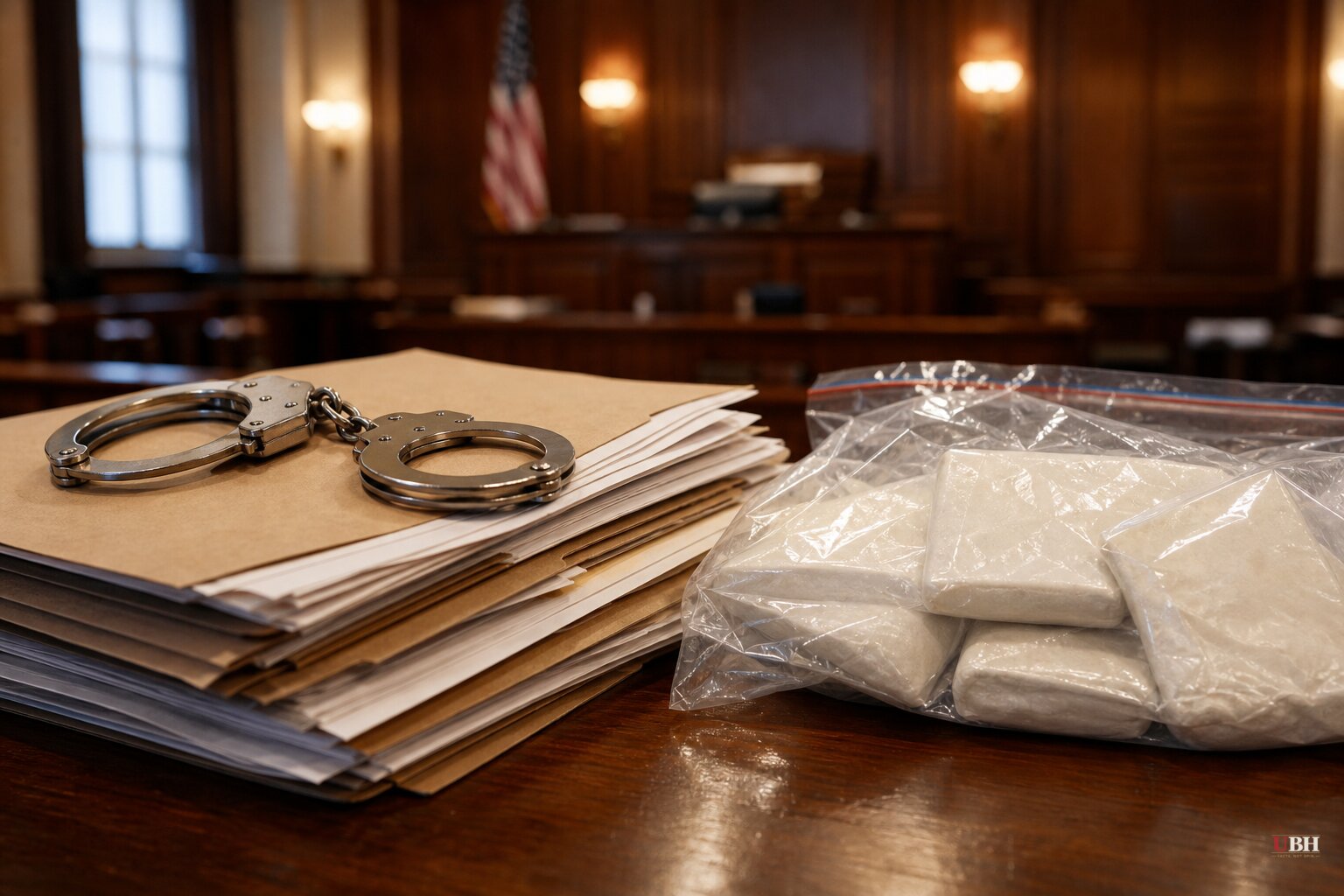
Nicolás Maduro's lawyers filed papers Wednesday in Manhattan federal court asking Judge Alvin K. Hellerstein to throw out the drug trafficking and narco-terrorism indictment against Venezuela's longtime leader, arguing he's immune from US prosecution as a foreign head of state.
His wife, Cilia Flores, filed a separate motion making the same argument on her own behalf.
"No American court has ever presided over the criminal trial of a foreign leader who was recognized by their own country as the sitting head of state at the time the charges were brought," Maduro's attorneys wrote, according to the Associated Press. "That is not an accident of history. It reflects a rule older than the common law: heads of state are exempt from the criminal process of any national court but their own."
Flores's lawyers made a similar case. "It is an attribute of Venezuela's sovereignty, and only Venezuela may surrender it," they wrote.
Maduro's team added a fallback argument: even if he isn't entitled to full head-of-state immunity, he should still be shielded because the conduct alleged was part of his official duties as president.
Background: a January raid, a Brooklyn jail, a June 2027 trial
Maduro, 63, and Flores, 69, have been held without bail at the Metropolitan Detention Center in Brooklyn since US forces seized them from their Caracas home in a military raid in early January, according to Reuters. Both were flown to New York and have pleaded not guilty.
At his arraignment, Maduro told the court, "I am a decent man. I am still president of my country," according to Anadolu Agency. He has separately called himself a "prisoner of war" and described his capture as a kidnapping.
The Trump administration has defended the operation as a "surgical law enforcement operation," per the AP.
Prosecutors allege Maduro ran a conspiracy to move thousands of tons of cocaine into the US by working with Venezuelan law enforcement and drug cartel leaders. The underlying case was first brought against numerous alleged co-conspirators six years ago. If convicted, Maduro faces a potential life sentence.
Judge Hellerstein has scheduled oral arguments on the dismissal motions for November 17. Federal prosecutors are expected to file their response later this month. Barring dismissal, the trial is set for June 1, 2027.
Maduro's lawyer, Barry Pollack, called the case "unprecedented" and said it "violates the absolute immunity from criminal jurisdiction to which heads of state and foreign officials acting in their official capacities have been entitled for hundreds of years." Pollack also said Maduro "vehemently denies" the charges and that a trial would prove he was "falsely accused," according to the Independent.
The immunity argument's real problem
The principle that sitting heads of state can't be hauled into a foreign court is centuries old and exists precisely so no country can jail another nation's leader on trumped-up charges to settle political scores. If the US can do it to Maduro, some legal traditionalists warn, another country could someday try the same against an American president abroad.
But that argument runs into a specific fact Maduro's own filing glosses over: the United States has not recognized him as Venezuela's legitimate president for years, due to disputed elections, according to Al Jazeera. Courts typically defer to the executive branch on questions of who counts as a foreign government's recognized leader. If the White House says Maduro isn't the president, that undercuts the entire premise of his motion.
Legal experts told Reuters that Maduro faces "an uphill battle" for exactly this reason. US criminal cases against former or disputed foreign heads of state are rare, and past precedent involving a Miami federal case against a Latin American strongman offers little encouragement for Maduro's position, per the Japan Times' account of the Reuters reporting.
Even as Maduro sits in a Brooklyn jail facing life in prison, Washington's relationship with Venezuela's oil sector has kept moving. The AP reported Chevron confirmed it will expand operations in Venezuela, and Anadolu Agency reported Venezuela signed energy deals with Chevron and Eni during a visit tied to the US energy secretary. That's a genuine tension for the administration to explain: prosecuting a man as a narco-terrorist while striking oil deals tied to the country he still claims to lead.
No court has ruled on the immunity motions yet. Hellerstein's November 17 hearing is the next concrete checkpoint, and prosecutors' written response, due later this month, will show how the Justice Department plans to argue around the recognition problem head-on.
Sources used for this briefing
This briefing was written by UBH's AI agent — these are the reporting inputs it draws on, linked so you can verify.


