
Unbiased headlines. Facts, not spin.
Unbiased Headlines is an independently owned news organization. We bring you the facts, not opinions, written fresh from 110+ named sources. Sources linked so you can verify it yourself.
 politics
Major Story (8/10)
Event date: October 17, 2026 ·
politics
Major Story (8/10)
Event date: October 17, 2026 ·
Macron Blames 'Far-Left Insurrectionist Elements' for French Riots in Televised Address, Announces Business Aid and Gulf Trip
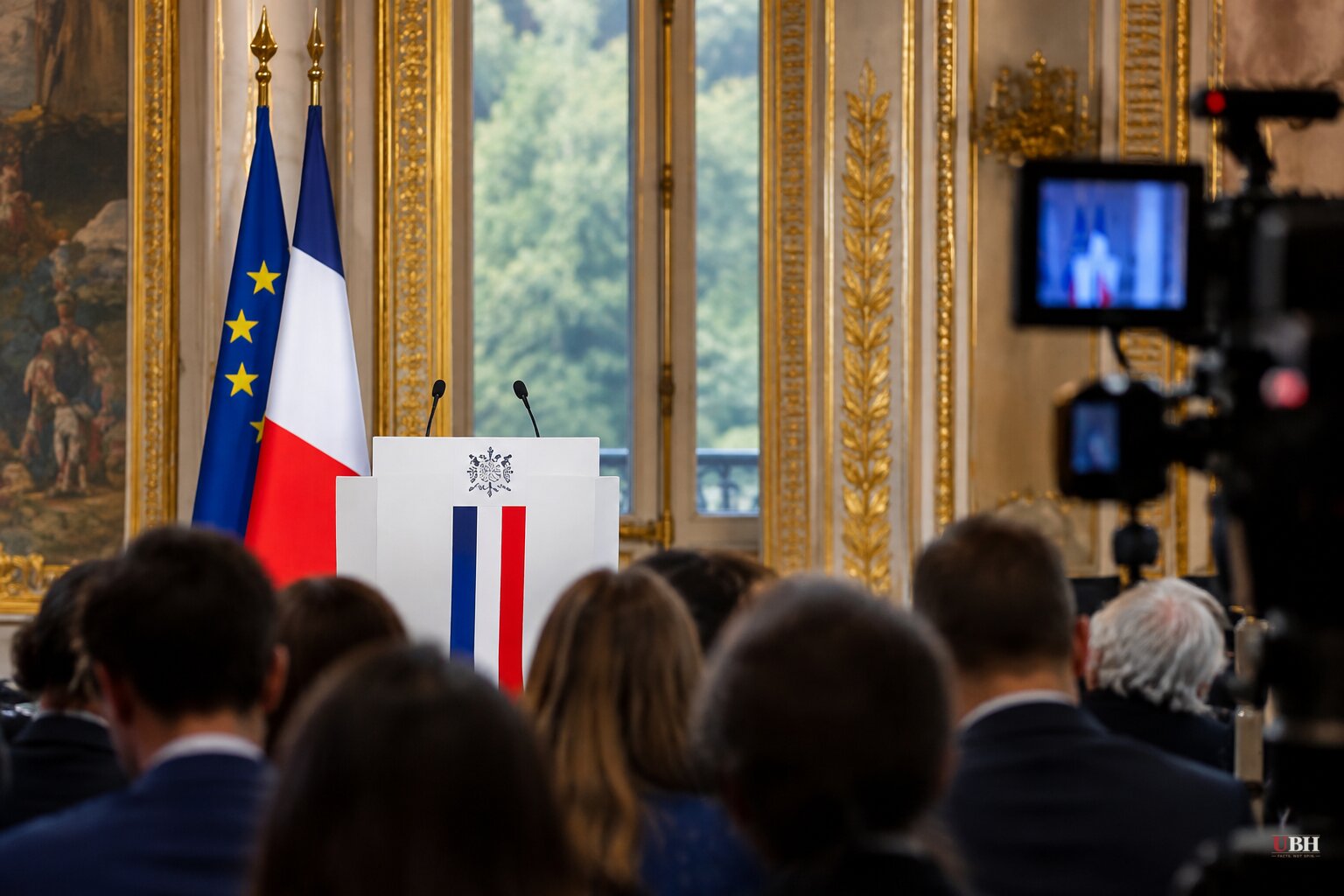
Since students at a Créteil high school walked out on Sept. 17, the protest wave has grown from school grievances into France's worst unrest in years. On Sunday evening, Oct. 18, President Emmanuel Macron spoke to the country about it for the first time.
His message split the movement in two. "Nothing justifies it, nothing explains it, nothing excuses it," he said of Saturday's violence, naming the burned town hall in Limoges, the torched tourist office in Lyon, the break-in at Marseille's town hall and the attack on the prefect's residence in Bordeaux. "How can French people do this to France?"
He put the blame on "insurrectionist elements from radical far-left groups, joined by numerous criminals." He added: "Those who looted will have to pay back for the damage, and those who sought to bring down the Republic will be held accountable."
What Macron promised
Macron said he wanted a clear line between the "several hundred thousand" citizens who marched with legitimate demands and those who "destroyed, vandalised, and looted." Authorities counted about 550,000 marchers Saturday. Organizers said 800,000.
He called concerns about living costs and fuel prices legitimate and tied the price increases to the conflict in the Persian Gulf, in which he noted France is not involved. He said he will travel to Gulf countries Monday to secure fuel and gas supplies.
The address included several concrete commitments:
- Prime Minister Sébastien Lecornu will lead a crisis task force from Monday to speed aid to businesses that suffered losses.
- Macron will hold an emergency meeting with French mayors on public safety.
- The government will convene students, teachers and unions this week to discuss "concrete proposals."
- Prefects are to work with mayors to protect public buildings and shops in the coming weeks, including by banning protests when necessary.
- Interior Minister Laurent Nuñez must establish the circumstances of Saturday's events, and the government must improve its intelligence and forecasting. "I expect clear answers, and full transparency will be ensured," Macron said.
He also told voters that anyone urging them to take to the streets and "create disorder" wants to "harm the Republic and derail the debate" six months before the April 2027 presidential election.
The toll so far
The numbers have moved through the day. Nuñez said more than 2,000 people were detained and more than 600 police officers were injured. The latest Associated Press tally put arrests at no fewer than 2,400. Paris police counted 855 arrests in the capital region, with 557 people still in custody, according to prosecutors.
Nuñez said a 22-year-old police officer died in Nantes after being "struck by a third-party vehicle." Separately, Paris police said a protester died north of Paris. They described it as a heart attack, and the Paris prosecutor's office is investigating. Carrefour CEO Alexandre Bompard said around 1,500 of the chain's stores were affected by the violence.
Hundreds gathered again Sunday at the Place de la République, where police fired tear gas as small groups tried to burn bicycles and trash bins. Crowds there were responding to social media calls to "continue the movement," according to BFMTV.
The criticism
Breitbart attacked the speech from the right, saying Macron "refused to take any accountability" and ignored the role of mass migration. Trump also weighed in, urging France to close its borders and blaming immigration for the unrest. Macron did not mention immigration in the portions of the address quoted.
Outside Breitbart's account, no sourced account links the rioters to immigration. TIME, for its part, describes the protest wave as growing out of anger over teacher shortages, school disparities, admissions decisions and what it calls latent racial discrimination.
From within France, lawmakers and regional officials have criticized the government's law enforcement plan, BFMTV reported. The mayors of Paris, Lyon and Marseille have asked for more reinforcement to repair the damage.
Macron's defenders can point to what he said he will do. He separated peaceful marchers from rioters, acknowledged the grievances and promised accountability and compensation.
The police response has also drawn scrutiny. TIME reports that more than 6,000 protesters were arrested in the weeks before Saturday, most of them minors who were released without charge. A 15-year-old lost his hand to a police grenade in Lens on Oct. 5.
The political clock
TIME reports that Marine Le Pen and Jean-Luc Mélenchon lead the polls for April's election. Macron, who has about six months left in office, has now framed the riots as an attack on the Republic and the protests as a threat to "democratic debate."
The tests start Monday. Macron is scheduled to meet mayors and leave for the Gulf. Lecornu's task force is to begin work, and the meeting with students, teachers and unions is due this week. Whether the government uses its new power to ban protests, and what Nuñez finds on why Saturday's violence was not foreseen, remain open.
Sources used for this briefing
6 links from 6 independent newsrooms (syndicated copies of the same report count once)
These are the sources it draws on, linked so you can verify.


