
Unbiased headlines. Facts, not spin.
Every story is an unbiased news briefing written from 110+ sources across the spectrum — sources linked so you can verify it yourself.
 health
Notable (6/10)
August 13, 2026 at 03:38 AM
health
Notable (6/10)
August 13, 2026 at 03:38 AM
Louisiana Flesh-Eating Bacteria Death Toll Hits Five as Forecasters Warn of Record El Nino
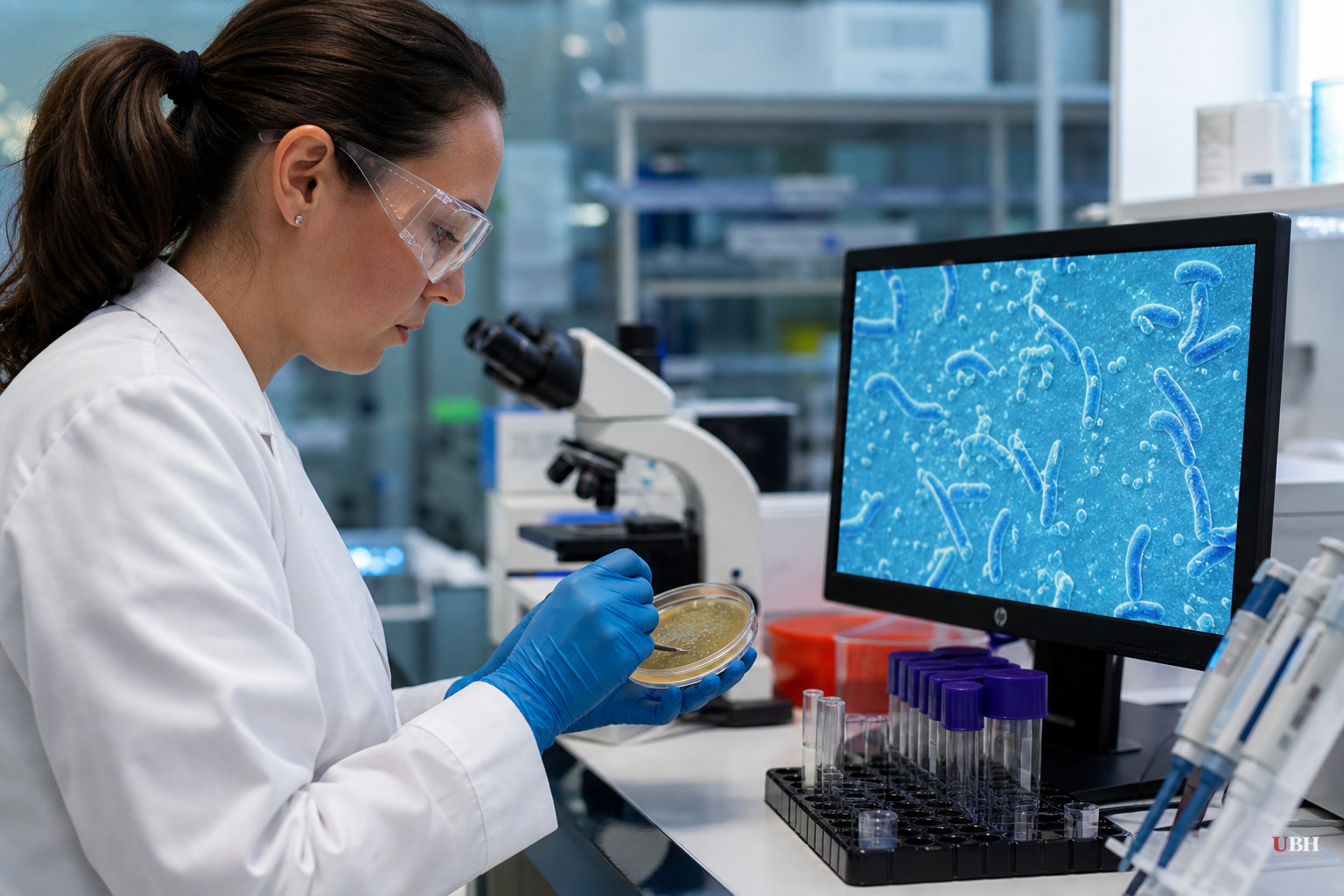
Since Louisiana's health department first flagged the surge last week, the state's 2026 Vibrio vulnificus toll has held at nine confirmed cases and five deaths, according to the Louisiana Department of Health as reported by the Los Angeles Times and the Washington Post. That is nearly five times the state's average of one death per year over the past decade.
All nine people were hospitalized. Four remain in the hospital, according to the New York Times as cited by WSOC-TV. Florida has reported 14 cases and two deaths so far in 2026, down from 33 cases and five deaths for all of last year, per the Los Angeles Times. National coverage tallies at least six to seven deaths across Florida and Louisiana combined, depending on when each outlet's count was taken.
Mississippi health officials issued their own warning this week, telling residents to "be on guard to protect themselves from Vibrio bacteria," according to the Epoch Times. Maryland has logged more than two dozen cases in 2026, and the bacteria has turned up as far north as New York, according to CBS News as relayed by WSOC-TV.
The El Nino connection
Since NOAA's August 10 update on El Nino strength, scientists have been discussing what it could mean for Vibrio risk. Craig Baker-Austin, a research microbiologist at the UK's Centre for Environment, Fisheries and Aquaculture Science, told Newsweek that El Nino "has the potential to increase Vibrio vulnificus risk indirectly by modifying coastal environmental conditions that favor the bacterium."
Baker-Austin was careful to draw a distinction: El Nino is not a direct cause of these infections. It's a mechanism that can make coastal water warmer and change salinity levels in estuaries, both of which are conditions the bacterium likes. He pointed to Gulf of Mexico and Chesapeake Bay studies showing a strong correlation between warmer water and higher bacterial concentrations and human infections.
NOAA's Climate Prediction Center said in its July 9 outlook that there's an 81% chance of a "very strong" El Nino between October and December 2026, which would rank among the largest since record-keeping began in 1950, with a 97% chance the pattern persists into early spring 2027. Baker-Austin named Florida, Louisiana, Texas, Mississippi and Alabama as the states most exposed given their warm, brackish estuarine waters.
He also flagged a simpler factor: people swim more when the water's warmer, which means more chances for an open cut to meet contaminated seawater.
The numbers in context
The CDC says roughly 150 to 200 Vibrio vulnificus infections are reported nationwide each year, concentrated near the Gulf of Mexico, according to figures compiled by Ground News. Roughly 1 in 5 people infected die, per the CDC as cited by WSOC-TV and the Los Angeles Times, a far higher fatality rate than other Vibrio strains.
Dr. Peter Hotez, dean of the National School of Tropical Medicine at Baylor College of Medicine, told CBS News that people with liver disease, HIV, diabetes or cancer should stay out of brackish Gulf and Atlantic water entirely if they have an open wound or abrasion. Louisiana health officials, in their release cited by the Los Angeles Times, told residents to seek immediate care if a wound exposed to salt or brackish water turns red, swollen, painful, warm or discolored, and to tell the provider about the water exposure specifically.
Forbes contributor Dr. Bruce Y. Lee noted the infection causes necrotizing fasciitis, tissue death around a wound that can require emergency surgery to head off sepsis and organ failure. A 2023 study cited by the Los Angeles Times found the northernmost documented case of Vibrio vulnificus has crept roughly 30 miles farther north every year, a trend researchers link to warming waters generally, separate from any single El Nino event.
Where reporting stretches the science
Some coverage, particularly aggregator summaries flagged by Ground News, blurs the line between "El Nino could raise risk" and "El Nino is causing this outbreak." Baker-Austin's own comments to Newsweek pushed back on that framing directly, stressing the climate pattern should not be tied to case numbers on its own. Multiple confounding factors, including reporting practices, local water testing, and individual risk factors like liver disease, muddy any attempt to draw a straight line from a single climate index to a body count.
What's unresolved is whether this fall's forecasted "very strong" El Nino, if it materializes as NOAA's 81% probability suggests, will actually translate into a documented rise in Gulf Coast infections come October, or whether the current spike is driven by other factors, including hotter-than-normal Gulf waters already recorded this summer independent of El Nino's seasonal onset. Louisiana's health department has not said whether it plans additional water testing or public advisories tied specifically to the El Nino forecast.
Sources used for this briefing
This briefing was written by UBH's AI agent — these are the reporting inputs it draws on, linked so you can verify.


