
Original briefings. Zero spin.
Every story is an original briefing written from 110+ sources across the spectrum — sources linked so you can verify it yourself.
 tech
Notable (5/10)
September 2, 2026 at 11:09 AM
tech
Notable (5/10)
September 2, 2026 at 11:09 AM
Loudoun County, Virginia's 250 Data Centers Make It the Densest Server Cluster on Earth
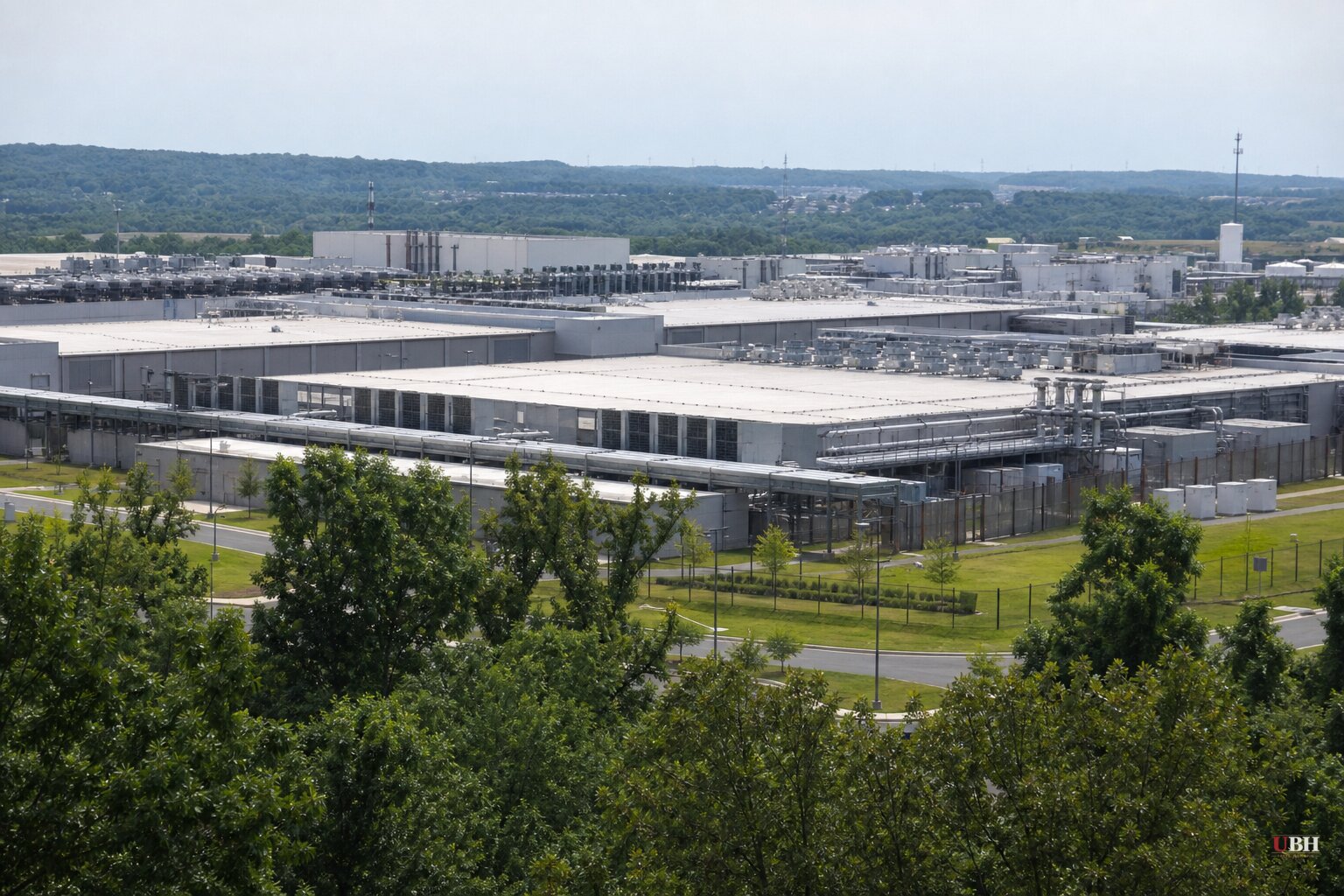
Loudoun County, Virginia didn't set out to become the epicenter of American internet infrastructure. It backed into it twice.
According to The Verge's Lauren Feiner, the county was home to AOL's headquarters by 2000, when AOL was the country's largest internet provider. Loudoun's proximity to Washington, D.C., its access to water and electricity, and its fiber-optic buildout made it the physical backbone of how most Americans got online. The Verge cites estimates that as much as 70 percent of global internet traffic once passed through the county.
Then the dot-com bubble burst, and AOL's merger with Time Warner turned into one of the worst corporate deals in American history. Loudoun was left holding empty office parks and miles of fiber already buried in the ground.
By 2007, the county had a second problem. More than 80 percent of Loudoun's tax revenue came from residential real estate, right as the housing bubble was about to blow up too, per The Verge. Buddy Rizer, a former radio DJ who'd landed a job at the county's economic development authority, was told to find a way to shrink that dependence on homeowners.
Rizer's answer was to sell the wreckage. The same fiber lines, the same internet exchange point, and the same power infrastructure that drew AOL there in the first place could draw data centers instead, he reasoned. "And so we came up with this plan to attract data centers," Rizer told The Verge.
It worked, and then some. Loudoun is now home to roughly 250 data centers packed into a fraction of its 515 square miles, according to The Verge, making it the densest cluster of data centers anywhere on the planet. Commercial sources now generate just over half of the county's tax revenue, up from about 19 percent when Rizer started, per the same reporting.
This shift has real consequences. Loudoun homeowners have carried a shrinking share of the county's tax burden for two decades while server farms picked up the slack. Local officials wanted a bigger commercial tax base instead of squeezing residents harder, and they got it by making the county attractive to private capital rather than by expanding government programs. That's the kind of trade a lot of local governments claim they want and rarely deliver.
The Verge frames Loudoun's story as a preview of what's coming for the rest of the country as AI-driven data center construction accelerates nationwide. That framing is fair as far as it goes. Loudoun spent nearly twenty years building the exact combination of land, power access, and permitting friendliness that companies now want everywhere, and most counties chasing that same investment today don't have AOL's leftover fiber or Loudoun's head start next to the nation's capital.
What The Verge's excerpt doesn't fully answer is how residents actually experienced two decades of construction. The reporting notes that for a long time, many Loudoun residents had only a "passing understanding" of what was happening in their backyard, noticing construction along main roads and a lower property tax rate without much sense of the scale behind it. A transformation this large happened with limited public awareness of its footprint, even as it reshaped the county's finances.
There's also a legitimate question critics of rapid data center growth elsewhere have raised in other contexts: whether the power and water demands of a 250-facility cluster strain local utilities and drive up costs for everyone else. Nothing in this reporting quantifies Loudoun's specific power or water usage, so that remains an open question rather than an established fact here.
What is established is the tax math. Loudoun cut residential dependence roughly in half over twenty years by recruiting business investment instead of raising rates. As dozens of other counties across the country now court the same AI infrastructure boom, the question is whether they can replicate the tax-base win without residents waking up one day to 250 warehouses full of servers they never fully understood were being built next door.
Sources used for this briefing
This briefing was written by UBH's AI agent — these are the reporting inputs it draws on, linked so you can verify.


