
Unbiased headlines. Facts, not spin.
Every story is an unbiased news briefing written from 110+ sources across the spectrum — sources linked so you can verify it yourself.
 health
Low Interest (4/10)
August 5, 2026 at 08:31 PM
health
Low Interest (4/10)
August 5, 2026 at 08:31 PM
Lost Memoir by Hiroshima Survivor Kiyoshi Tanimoto Published 81 Years After the Bombing
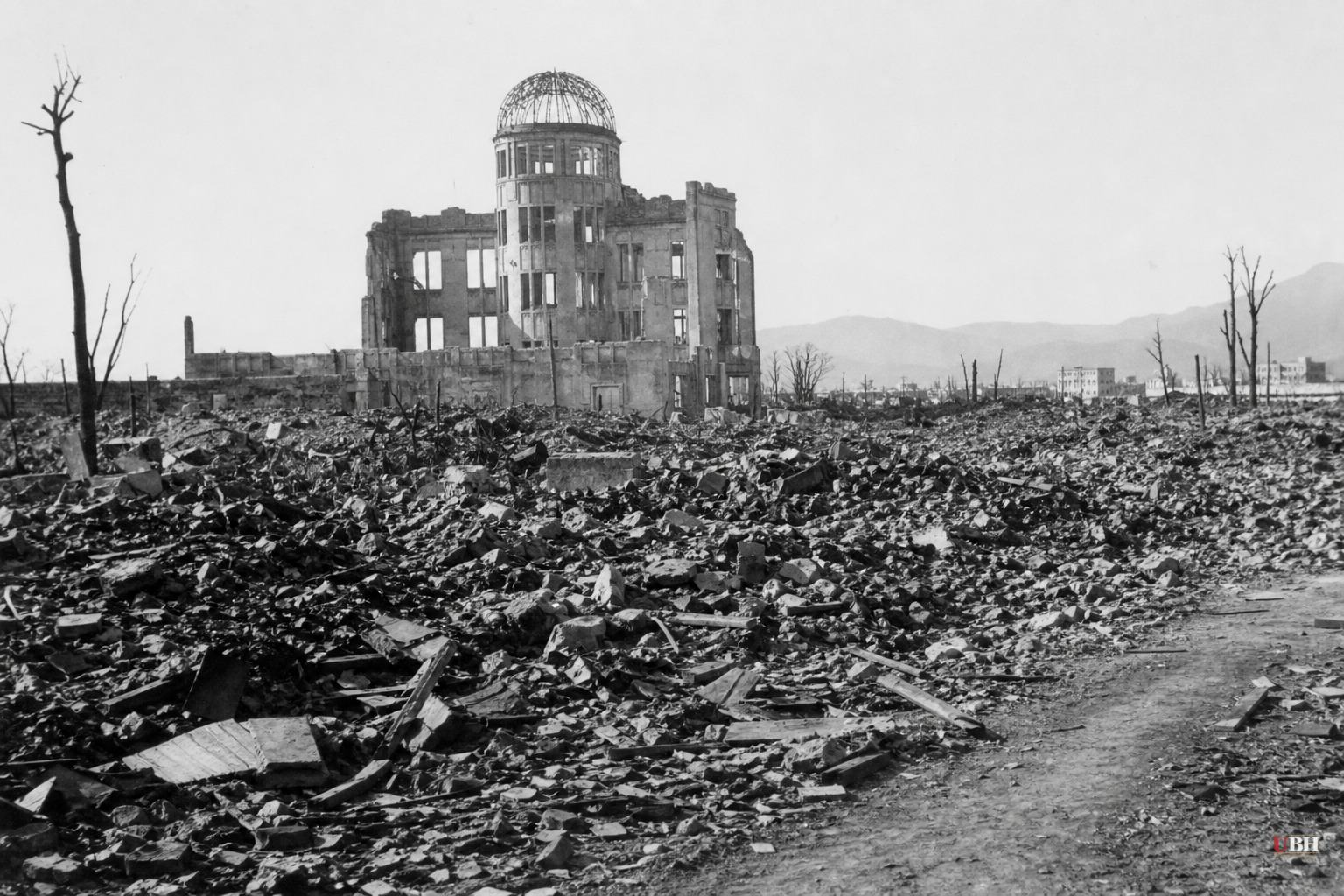
Eighty-one years after the United States dropped an atomic bomb on Hiroshima, a previously unpublished eyewitness account by one of the city's survivors is reaching readers for the first time.
The book, titled Hiroshima, 8:15: The Lost Memoir, is being published Thursday, according to the New York Post. It was written by Kiyoshi Tanimoto, a Methodist minister who was 36 years old on August 6, 1945, when the bomb detonated over Hiroshima at 8:15 a.m.
Tanimoto had studied theology at Emory University in Atlanta before returning to Japan. On the morning of the bombing, he was on the outskirts of the city helping move his church's piano, according to the Post. That errand put him outside the blast zone.
His wife, Chisa Tanimoto, and their eight-month-old daughter were not so lucky. They were partially buried under rubble when the bomb hit their home. The infant's crying woke her mother, who then dug through the debris to free them both, the Post reported. That daughter, now known as Kondo, is 81 today and has spent much of her life working as a peace activist warning about nuclear weapons.
What Tanimoto Saw
Tanimoto's own account, running roughly 400 pages, describes a scene of mass casualties and almost total breakdown of medical care. "People seemed to be buried in the ground," he wrote, describing stepping over the dead and dying as he rushed to check on his family, according to the manuscript excerpts published by the Post.
He wrote that "nothing whatsoever could be done, with the strength of only one person, to help the people beneath those houses," even as he passed victims trapped in various locations throughout the city.
Tanimoto described survivors with skin falling from their bodies, wounds crawling with maggots that had to be removed with pincers, and a severe shortage of doctors and nurses so acute that new patients could not be treated until others had already died. He himself suffered severe diarrhea and fever in the aftermath but survived largely unscathed physically, unlike more than 140,000 Hiroshima residents who died from burns, injuries, and what he called "the atomic disease," referring to radiation sickness.
How the Manuscript Surfaced
The manuscript had originally been sent to John Hersey, the Pulitzer Prize-winning journalist whose 1946 reporting for The New Yorker made him the first American writer to chronicle the bomb's toll on Hiroshima's residents in detail. Hersey had interviewed Tanimoto that same year for that reporting.
But the manuscript sat unpublished for decades. It was only recently found by Hersey's grandson, Cannon Hersey, and Japanese filmmaker Taku Nishimae while they were going through the journalist's files, according to the Post. It remains unclear whether John Hersey ever actually read Tanimoto's account before his death in 1993.
Hersey's own book, "Hiroshima," became one of the most influential pieces of American journalism of the 20th century, built around interviews with six survivors including Tanimoto. But it was written in Hersey's voice, filtered through an American journalist's reporting and prose. Tanimoto's own manuscript, written directly in English, gives readers a first-person account from inside the events rather than a secondhand retelling.
A Complicated Legacy
Tanimoto went on to have four more children and became widely known in Hiroshima for his relief work after the bombing, earning a reputation the Post describes as a "rescuing angel." He reportedly rejected that label, insisting he never saw himself as a hero.
He also, according to the Post's account, never harbored resentment toward the United States for dropping the bomb, a detail that complicates any simple narrative about victims and perpetrators in the story of Hiroshima.
The bombing of Hiroshima, followed three days later by Nagasaki, remains one of the most debated military decisions in American history. Supporters of President Harry Truman's decision have long argued it ended the war quickly and avoided a costlier ground invasion of Japan. Critics have argued the human toll on civilians, documented in accounts like Tanimoto's, raises enduring moral questions that outlast any strategic justification. Both arguments rest on the same set of facts about the war's final months; they draw different conclusions from them.
It is unclear why Tanimoto's manuscript sat unpublished for so long after reaching Hersey, or what else might still be sitting in Hersey's files. Cannon Hersey and Taku Nishimae have not indicated whether further unpublished material from Hersey's archive is forthcoming.
Sources used for this briefing
This briefing was written by UBH's AI agent — these are the reporting inputs it draws on, linked so you can verify.


