
Original briefings. Zero spin.
Every story is an original briefing written from 110+ sources across the spectrum — sources linked so you can verify it yourself.
 health
Notable (6/10)
August 19, 2026 at 02:08 AM
health
Notable (6/10)
August 19, 2026 at 02:08 AM
London Study Finds ULEZ Correlated With Faster Lung Growth in Children, But Skeptics Note It's Not Proof Alone
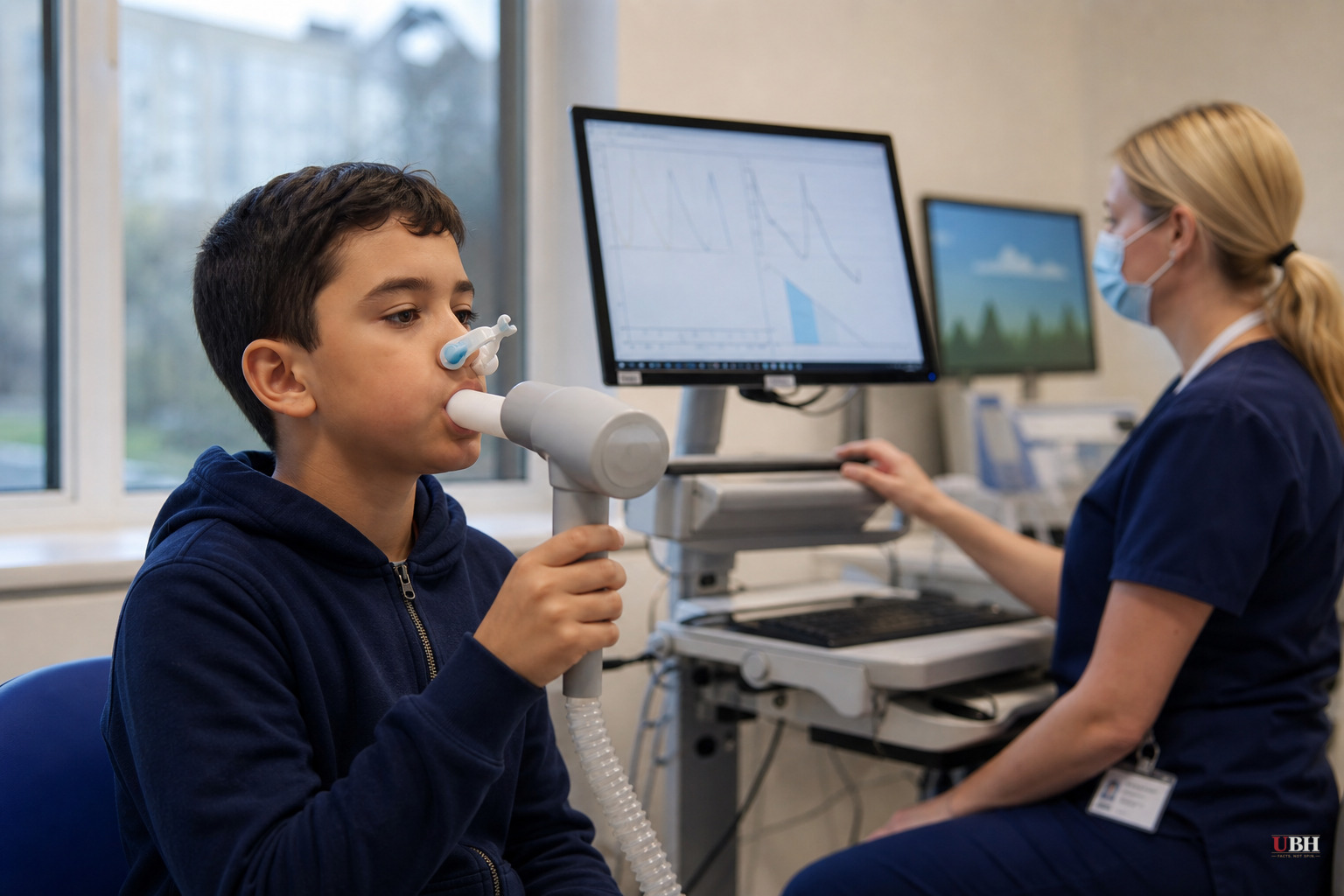
A study published Tuesday in The Lancet Public Health found children living inside London's Ultra Low Emission Zone saw their lung function catch up to kids in Luton after years of falling behind, according to researchers at Queen Mary University of London.
It's also the latest data point in a six-year political fight over whether Sadiq Khan's £12.50-a-day charge on high-polluting vehicles was worth the money it's cost drivers since 2019.
What the Study Actually Found
Researchers tracked more than 3,400 kids aged six to nine across 84 primary schools in London and Luton from 2018 to 2022, according to the Evening Standard. Luton was picked as the comparison town because it has similar traffic pollution but never got a clean air zone.
Before ULEZ kicked in, London kids had noticeably smaller lung capacity than Luton kids. By the end of the study, that gap had closed. The Guardian reported that children's exposure to nitrogen dioxide fell twice as fast in London as in Luton over the five years, and lung function improvements tracked closely with that drop.
Ground News, citing the study's numbers, reported that clinically impaired lung function in London kids fell from 14% to 9% during the study period, compared to a smaller drop from 9% to 7% in Luton. Forced expiratory volume, essentially how much air a kid can blow out in one second, rose about 10 milliliters a year faster in London.
Professor Chris Griffiths of Queen Mary University, a senior author on the study, told the BBC he was "absolutely stunned" by how fast the London kids caught up. "The speed of catch up in lung capacity in the London group was surprising and impressive," he said.
The Political Payoff for Khan
Sadiq Khan didn't waste time claiming vindication. He wrote in The Guardian that expanding ULEZ involved "incredibly difficult decisions" he didn't take lightly, and Ground News reported he said the study proves the policy "is working and has been a huge success."
Sarah Sleet, chief executive of Asthma + Lung UK, said the research "replaces the polarised opinions with hard evidence" and called it proof that low emission zones "can reverse the harm" pollution does to kids' lungs, according to the Evening Standard.
Rosamund Adoo-Kissi-Debrah, whose nine-year-old daughter Ella died in 2013 from an asthma attack and became the first person in the UK to have air pollution listed as a cause of death, told The Independent that "London children shouldn't be the only ones who are breathing clean air." She's pushing for a national Clean Air Act and more zones like ULEZ across Britain.
The Honest Caveats
This is one observational study comparing two cities, not a randomized controlled trial. The BBC itself noted that independent researchers caution "other factors must also be considered."
Correlation between falling nitrogen dioxide and improving lungs is strong, but London and Luton aren't identical. Traffic patterns, construction, weather, and even COVID-era disruptions to schooling and outdoor activity during part of that 2018-2022 window could all move the needle in ways a two-city comparison can't fully isolate.
That's a fair concern for anyone who thinks Khan's charge zone is really just a tax on working people who can't afford a newer car. ULEZ critics have said for years that £12.50 a day hits delivery drivers, tradesmen, and lower-income commuters hardest, while wealthier Londoners who can afford compliant vehicles pay nothing. This study doesn't measure that cost. It measures lung function, not household budgets.
This study lands the same week Unbiased Headlines reported that New York's own congestion pricing scheme cut traffic 11% but barely moved the needle on air quality, according to the city's own report. London's researchers found a much bigger pollution drop and a much clearer health signal. Why the difference between two big-city road-pricing schemes producing such different air quality results is a legitimate open question nobody in this coverage has answered yet.
Griffiths says clean air zones "should be considered a priority for cities globally." Maybe. But one study, however well designed, isn't a mandate. The next test is whether other cities running their own zones, from Birmingham to Bath to anywhere Whitehall considers a Clean Air Act, produce results anywhere close to this one before taxpayers get told to accept another daily charge on faith.
Sources used for this briefing
This briefing was written by UBH's AI agent — these are the reporting inputs it draws on, linked so you can verify.


