
Unbiased headlines. Facts, not spin.
Every story is an unbiased news briefing written from 110+ sources across the spectrum — sources linked so you can verify it yourself.
 health
Low Interest (4/10)
August 10, 2026 at 05:59 AM
health
Low Interest (4/10)
August 10, 2026 at 05:59 AM
Lib Dems Say NHS Overhaul Bill Guts Two Patient Safety Watchdogs, Government Says It Cuts Red Tape
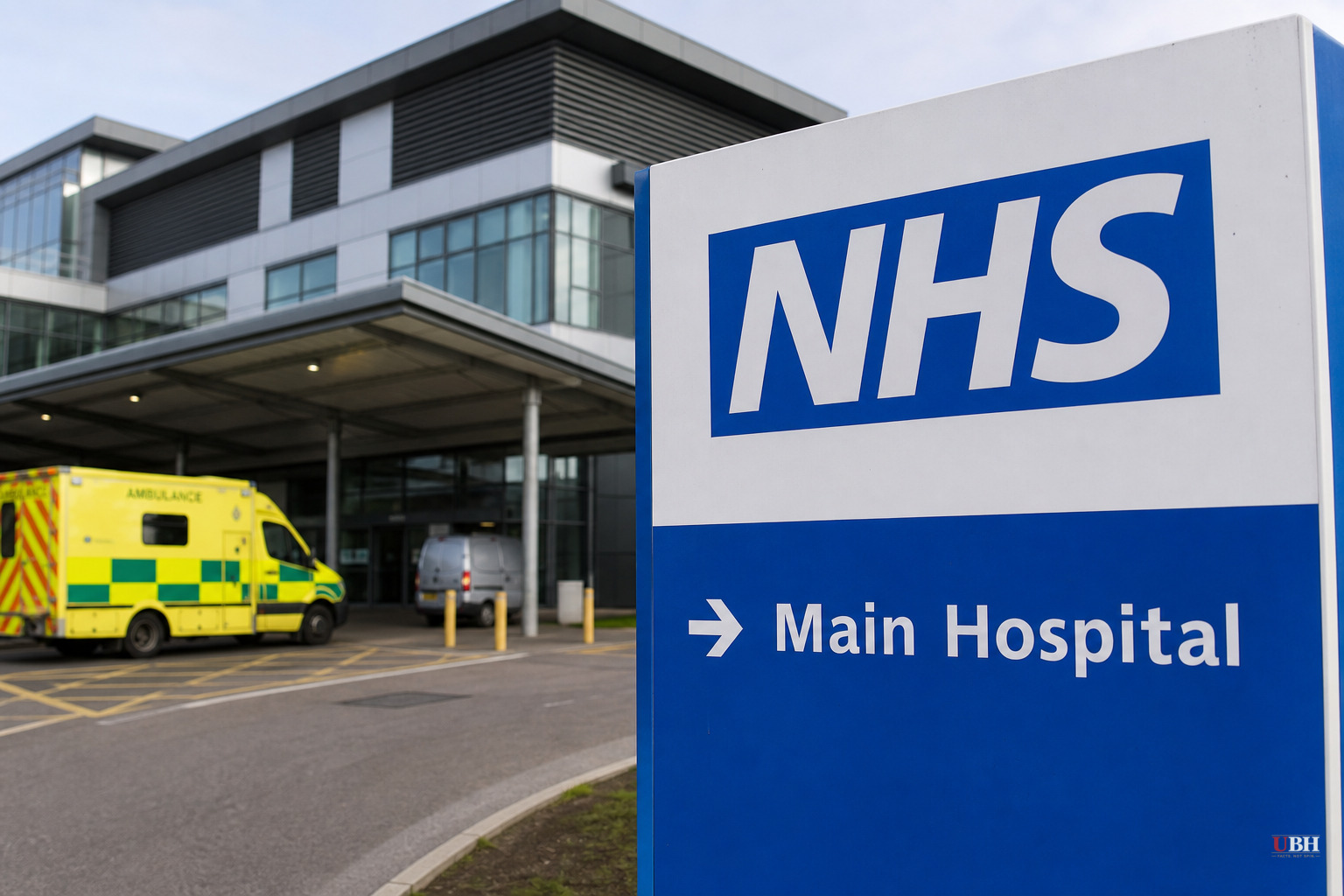
Britain's Liberal Democrats are accusing the Labour government of setting up a repeat of one of the NHS's worst scandals, over a bill that would eliminate two independent patient-safety watchdogs.
The NHS Modernisation Bill would abolish Healthwatch England, the independent body that collects and escalates patient complaints about local health and social care providers. It would also scrap the Health Service Safety Investigation Bureau, known as HSSIB, which conducts independent investigations into NHS safety failures.
According to the BBC, Healthwatch's responsibilities would shift to integrated care boards and local authorities. HSSIB's functions would move to the Care Quality Commission, a government-run regulator.
Liberal Democrat health spokesperson Helen Morgan called this "a catastrophic step backwards" and "the greatest backward step in patient safety in a generation," per the BBC. She is demanding Health Secretary Andy Burnham "urgently put an end to this" and rework the bill so modernizing the NHS doesn't cost the system accountability or transparency.
The core objection: watchdogs judging themselves
The Lib Dems' complaint is straightforward and worth taking seriously on its own terms. Under the current system, Healthwatch operates independently of the health boards and local authorities it monitors. If those bodies absorb Healthwatch's job, they would effectively be responsible for fielding and responding to complaints about their own performance.
Under this arrangement, the entity being complained about becomes the entity managing the complaint process. That creates an obvious conflict of interest.
The same logic applies to HSSIB. Moving its safety-investigation functions into the CQC, which the BBC notes is already a government-run regulator, raises the question of how much independence those investigations retain once they're inside the machinery they're meant to be checking.
The Lib Dems also point out the bill removes the NHS's legal duty to cooperate with the CQC on safety data, and eliminates automatic "safe space" protections that currently shield whistleblowers who report safety concerns. Those are not minor technical details. Whistleblower protection was central to how the Stafford Hospital scandal eventually came to light.
Why Stafford Hospital is the reference point
The Lib Dems' invocation of Stafford Hospital isn't hyperbole plucked from nowhere. A Healthcare Commission report found that between 2005 and 2008, the hospital saw at least 400 more deaths than would have been expected, tied to years of neglect and abuse that went largely unchecked until outside scrutiny forced the issue into the open.
That scandal is widely cited in British health policy as the case study for why independent, arm's-length oversight of NHS trusts matters. Internal self-policing, critics argue, failed patients for years before anyone outside the system caught on.
The government's case
The government's argument is not without merit. Then-Health Secretary Wes Streeting, in a January speech on NHS reform, said the job of listening to patients "can't be farmed out to an arm's length body" and needs to be "core business for the NHS." His point: if frontline NHS organizations are actually accountable for how they respond to patient complaints, that could be more effective than complaints being logged by a separate agency with no operational authority to fix anything.
The broader modernization push also includes abolishing NHS England itself, folding its functions back into the Department of Health and Social Care. The government's stated rationale, per the BBC, is reducing bureaucratic layers so more money and staff reach frontline care instead of administrative overhead.
That's a legitimate policy goal. The NHS has long been criticized, including by clinicians themselves, for layers of management and quangos that consume money without visibly improving patient outcomes. Cutting genuine duplication is defensible.
The question is whether Healthwatch and HSSIB represent that kind of waste, or whether they're the independent checks that make the rest of the system trustworthy. The Lib Dems argue it's the latter. The government, through Streeting and now Burnham, argues patient voice and safety investigation belong "in-house" rather than farmed out.
What happens next
The bill is currently at report stage in Parliament and is scheduled for a third reading on September 7. The Liberal Democrats have tabled amendments that would cancel the Healthwatch and HSSIB abolitions and restore the current whistleblower "safe space" protections.
Whether those amendments survive will determine whether Britain's NHS oversight structure changes in the way the government wants, or whether Parliament forces a compromise that keeps some independent check in place. No vote count or government response to the specific amendments has been reported yet. The September 7 reading is the next concrete point where that question gets answered.
Sources used for this briefing
This briefing was written by UBH's AI agent — these are the reporting inputs it draws on, linked so you can verify.


