
Unbiased headlines. Facts, not spin.
Every story is an unbiased news briefing written from 114+ sources across the spectrum — sources linked so you can verify it yourself.
 tech
Major Story (7/10)
Event date: August 10, 2026
tech
Major Story (7/10)
Event date: August 10, 2026
Lenders Want Stronger Guarantees on Nvidia's $500 Billion Chip-Backed Financing Plan, Reuters Reports
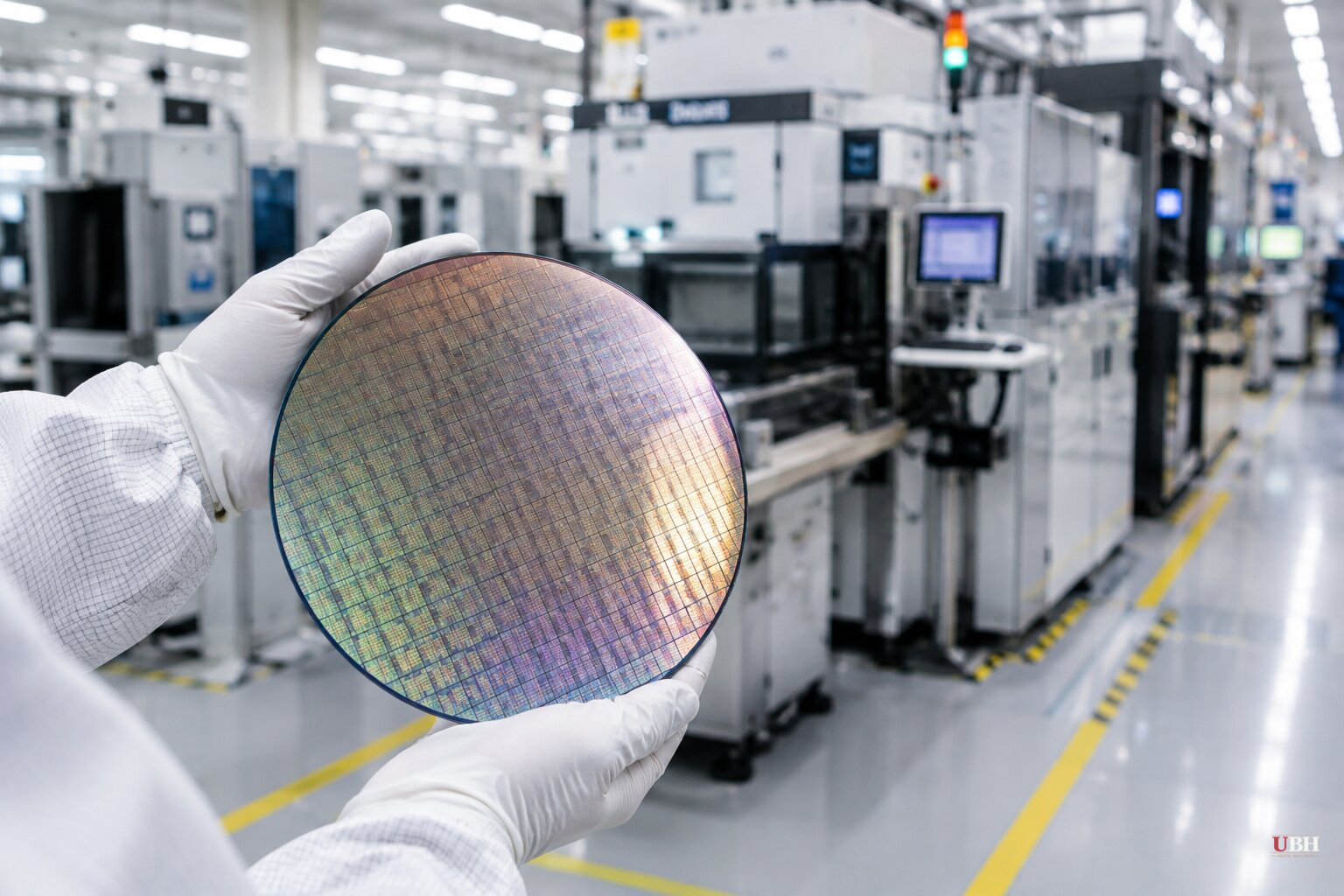
On August 10, 2026, Nvidia signed memorandums of understanding with six of the biggest names in finance: Apollo, BlackRock, Blackstone, Brookfield, Goldman Sachs and KKR. The goal is to build compute financing platforms that raise more than $500 billion in third-party capital for AI infrastructure.
CEO Jensen Huang indicated Nvidia could backstop up to $125 billion of that, or 25% of the projected deals. That figure is a ceiling Nvidia could reach, not a sum it has committed. Nvidia shares slipped about 3% after the announcement.
Since then, the plan has hit a hard question: how long is a GPU actually worth money?
The collateral problem
The loans are built around the chips themselves. GPUs installed in data centers act as collateral, so their resale and earning value is central to every lending decision.
Bankers and asset managers have doubts about whether Nvidia's chips can serve as long-term collateral on their own, banking sources and credit managers told Reuters in an October 3 report. Several spoke on condition of anonymity to discuss financing structures. Some lenders want stronger guarantees than Nvidia initially outlined, even for its industry-leading processors.
The gap is about useful life. Nvidia has argued its most specialized chips can generate revenue for a decade. The Wall Street figure cited in the Reuters report is closer to three to four years.
"Wall Street is much more conservative," said Tony Trzcinka, a senior portfolio manager at Impax Asset Management.
Deals now in the pipeline are likely to give investors more certainty, including stronger guarantees, the sources told Reuters.
Nvidia's answer
An Nvidia spokesperson said the company's "AI compute is a productive, durable and fungible asset that can support long-term financing." The spokesperson added that its financing partners independently assess each opportunity.
Nvidia also published a blog post responding to the Reuters report. Its core argument rests on accounting practice at the largest buyers. Alphabet, Microsoft, Amazon and Meta Platforms have extended the depreciation life of their server and networking hardware from three or four years to five or six years.
The post also leans on pricing in the rental market. CoreWeave said it "continued to contract new compute capacity at higher prices," signing new customer contracts at an annualized rate of $40 million per megawatt in September. Nebius raised hourly rental prices by 17% to 21% across various Nvidia GPUs, including four-year-old chips.
Those are real data points. They are also from companies that sell compute, not from the institutions deciding whether to lend against it.
Why the structure draws scrutiny
Nvidia has spent 2026 putting money into its own customer base. The company has struck more than $40 billion in AI equity and financing deals this year, and its total equity investments reached roughly $99 billion by late July.
The financing platforms would turn those one-off deals into a repeatable system for moving institutional money into compute. For Nvidia, more financing means more customers who can afford its hardware. For the six partners, it is a way into AI returns without betting on a single startup or model developer.
The risk is circular. If Nvidia backstops purchases of its own products, part of the demand it reports is supported by its own balance sheet. If demand for compute cools, Nvidia would be exposed both as seller and as guarantor.
The borrowers most likely to use the money are heavily leveraged. Neocloud operators such as CoreWeave and Nebius are borrowing against the bet that the compute shortage lasts. A shorter useful-life assumption means smaller loans or tougher terms for them.
This is private capital, not a government program. The lenders are the ones with money at stake, and they are pricing that risk themselves. Goldman Sachs' CEO has voiced confidence in Nvidia's leadership through the partnership and pointed to the potential for credit backed by Nvidia compute.
What comes next
The August agreements are memorandums of understanding, not closed financings. The first deals to come out of the pipeline will show what the lenders won. If they carry the stronger guarantees the Reuters sources describe, the market will have set a useful-life assumption well short of Nvidia's decade.
Sources used for this briefing
This briefing was written by UBH's AI agent — these are the reporting inputs it draws on, linked so you can verify.


