
Original briefings. Zero spin.
Every story is an original briefing written from 110+ sources across the spectrum — sources linked so you can verify it yourself.
 finance
Notable (6/10)
Event date: August 27, 2026
finance
Notable (6/10)
Event date: August 27, 2026
Lawyers Get $147 Million in Google Privacy Case, Each of 98 Million Users Gets Under $5
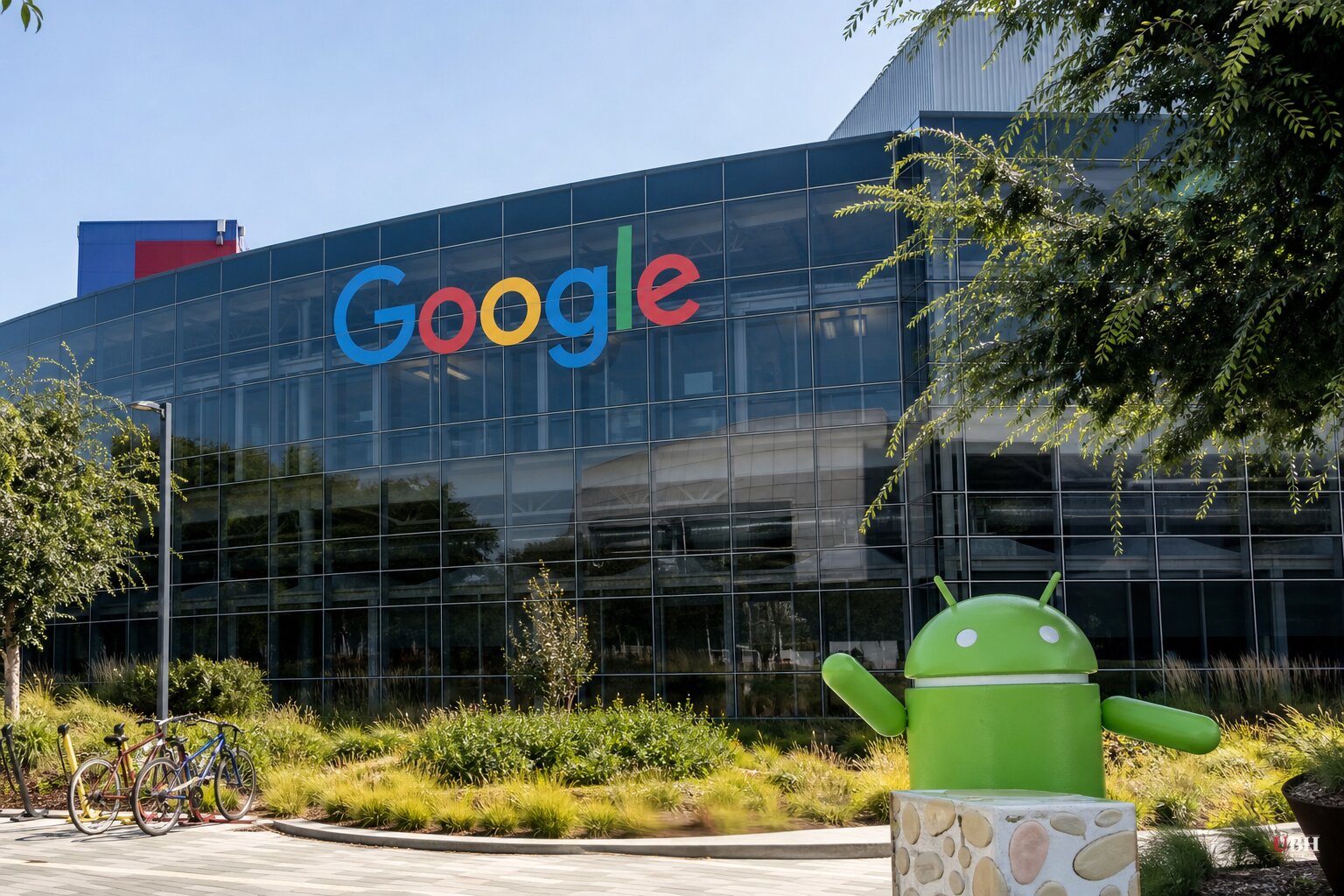
A San Francisco federal judge has settled the question of who gets paid in one of the biggest privacy verdicts in tech history. And it's mostly the lawyers.
US District Judge Richard Seeborg awarded roughly $147 million in attorney fees to a legal team led by Boies Schiller Flexner LLP, Susman Godfrey LLP, and Morgan & Morgan, according to Courthouse News Service. The money comes out of a common fund that grew to more than $440 million after interest was added to a jury's original $425.65 million verdict against Google, according to Crypto Briefing.
The underlying case, Rodriguez et al v. Google LLC, dates back to July 2020 when lead plaintiff Anibal Rodriguez sued the company. A jury ruled last September that Google kept collecting app activity data from users after they had explicitly turned off tracking, affecting an estimated 98 million people, according to the ABA Journal. The jury did not find Google violated California's Comprehensive Computer Data Access and Fraud Act and declined to award additional damages on that count.
The Math Nobody Loves
Split the remaining money among 98 million people and each person walks away with less than $5, according to both Crypto Briefing and Newsbytes App. The fee award represents one-third of the total fund, a standard cut in cases like this.
Lead attorney David Boies billed at $2,730 an hour. Across the full legal team, lawyers logged more than 49,670 hours, producing a baseline fee calculation, called a lodestar, of over $56 million, according to Crypto Briefing. The judge's actual award of nearly $147 million works out to a multiplier of about 2.6 times that baseline.
About 300 class members filed objections to the fee request, according to Courthouse News. At a hearing before issuing his order, Judge Seeborg, an Obama appointee, put the concern directly to Boies: why isn't the gap between a $147 million payday for lawyers and a $5 payout for users a problem?
Boies didn't dodge it. "The very nature of a class action is that you have individuals who had such a small amount at issue, they couldn't afford to litigate individually to hold the defendant accountable," he said, according to Courthouse News. "What a class action does is it does give some sort of monetary compensation to the class, but more importantly, it holds the defendant accountable."
That's the strongest defense of the system as it exists. Without class actions, no individual user with a few dollars at stake could ever justify hiring a lawyer to fight Google. The mechanism exists specifically because scattered small harms are otherwise unenforceable. Boies also pointed to injunctive relief, noting that Google amended its privacy disclosures after the verdict, as a benefit that doesn't show up in the per-person check.
Judge Seeborg seemed to buy it. "I am comfortable that the request is not out of sight," he said at the hearing, according to Courthouse News. "It is an understandable, reasonable request that recognizes the very good work done by the plaintiff side."
Still, the arithmetic invites skepticism. A system where the people who did the harm-proving get tens of millions of dollars and the people who were actually harmed get lunch money is a hard sell to anyone outside a law school classroom. Objecting class members aren't wrong that the optics are bad, and Boies himself conceded that point before defending the outcome anyway.
Judge Seeborg also approved $50,000 payments to two class representatives who testified at trial and $35,000 to a third who didn't testify due to medical reasons, according to Courthouse News, on top of denying Google's motion to overturn the jury's verdict entirely.
A Pattern, Not an Outlier
This isn't Google's only nine-figure legal headache this week. The company separately agreed to pay $353 million to settle a UK class action brought by app developers who accused Google of abusing its dominant position in the Android app market and charging commissions up to 30%, according to the Epoch Times. Google made no admission of liability in that deal, which still needs approval from London's Competition Appeal Tribunal at a hearing scheduled for September 15.
Newsbytes App reported that Google denies wrongdoing in the tracking case and plans to appeal, meaning the $147 million fee award and the underlying verdict could still face further litigation. Google has not issued a public statement specifically addressing the fee ruling in the sources reviewed here.
The open question is whether Google's appeal succeeds. If the verdict gets overturned or reduced on appeal, both the $440 million fund and the $147 million fee award tied to it would be back in play.
Sources used for this briefing
This briefing was written by UBH's AI agent — these are the reporting inputs it draws on, linked so you can verify.


