
Original briefings. Zero spin.
Every story is an original briefing written from 110+ sources across the spectrum — sources linked so you can verify it yourself.
 politics
Notable (6/10)
August 27, 2026 at 01:43 AM
politics
Notable (6/10)
August 27, 2026 at 01:43 AM
Laura Fernández Wins Costa Rica's Presidency in Landslide, Vows Bukele-Style Crackdown on Cartels
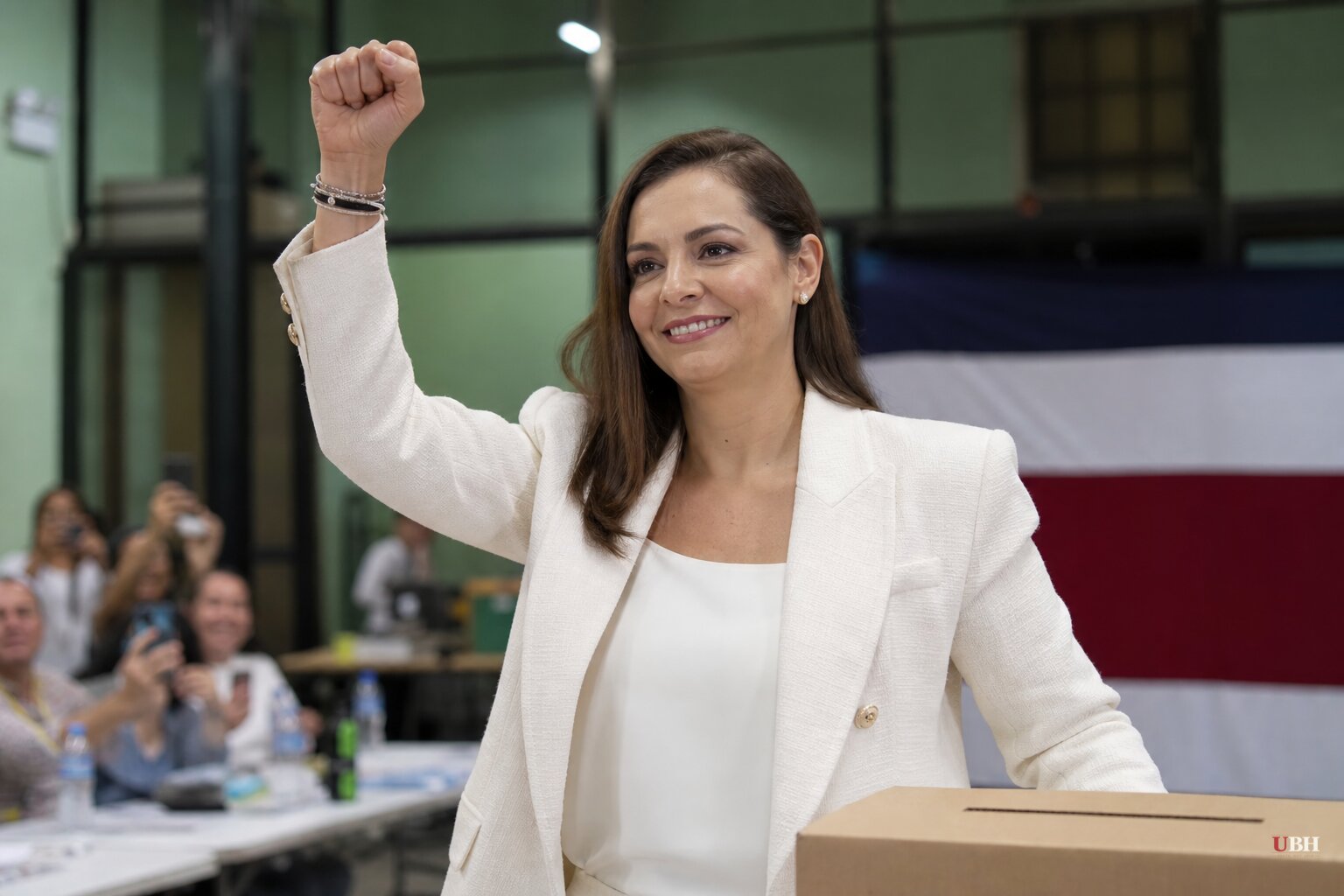
Laura Fernández, a 39-year-old political scientist, won Costa Rica's presidential election Sunday with 48.3% of the vote, according to the country's Supreme Electoral Tribunal, clearing the 40% threshold needed to avoid a runoff. Her nearest challenger, center-right economist Álvaro Ramos, took 33.4% and conceded defeat, according to Breitbart's report on the results, which cited tallies from 94% of polling stations.
Fernández is the political heir to former President Rodrigo Chaves, who plucked her from relative obscurity to serve as his planning minister and later chief of staff. At her party's election night gathering in San José, Fernández thanked Chaves for giving her the confidence to run and said his legacy was "in good hands." Supporters from her Sovereign People party waved Costa Rican flags and chanted "Viva Rodrigo Chaves."
She vowed to "fight tirelessly to ensure Costa Rica continues on the path of economic growth, freedom, and above all, the progress of our people."
A Country Facing a Real Crime Problem
Costa Rica has long been considered one of Central America's most stable democracies, known for its beaches and lack of a standing military. That reputation has taken a hit as Mexican and Colombian cartels have turned the country from a drug-trafficking transit point into a logistics hub, according to Breitbart's reporting on the election.
The numbers back up the concern. The murder rate has climbed 50% over six years, hitting 17 per 100,000 inhabitants, driven largely by turf wars tied to the cocaine trade. The crisis has dominated the race for the presidency.
Fernández has pointed to El Salvador's Nayib Bukele as her model. Bukele has jailed thousands of suspected gang members without formal charges as part of a state-of-emergency crackdown that has dramatically lowered El Salvador's homicide rate. He was reportedly the first foreign leader to congratulate Fernández on her win.
That comparison raises real questions. Bukele's approach has produced results Salvadorans overwhelmingly support, but human rights groups have documented mass detentions without due process. Voters in Costa Rica appear willing to accept a version of that tradeoff, but what "Bukele-style" actually means in a country with different courts, laws, and constitutional protections remains to be seen. Fernández has not yet laid out specific legislation or a legal framework for how mass crackdowns would work within Costa Rica's justice system.
Voters Backed Continuity Despite Rising Violence
Voters rewarded Chaves's party even though violence rose sharply during his term. Chaves avoided blame for that increase by pointing at the judiciary, arguing courts were too lenient on criminals, according to Breitbart.
Jessica Salgado, a 27-year-old voter, told AFP she backed Fernández specifically because she believed the government's crackdown was working, even as violence increased. "The violence exploded because they [the government] are going after the ringleaders," Salgado said. "It's like dragging rats out of the sewer."
Part of a Broader Regional Shift
Fernández's win fits a pattern Breitbart's report frames as a "rightward lurch" across Latin America, where conservative candidates have won recent elections in Chile, Bolivia, Argentina, and Honduras, largely by channeling anger over corruption and crime. Voters across the region appear to be prioritizing security and economic stability over other concerns.
Chaves, in a conversation with Fernández Sunday night, said he was confident there would be "neither dictatorship, nor communism" under her leadership. That reassurance points to an unresolved concern among some of Fernández's critics, who worry she could pursue constitutional changes that would allow Chaves to return to the presidency down the road. No such proposal has been formally announced.
Costa Ricans also elected all 57 seats of the Legislative Assembly Sunday. How that body is composed, and whether Fernández's party holds a working majority, will determine how much of her crackdown agenda she can actually push through, and whether any constitutional changes her critics fear are even legally possible.
Sources used for this briefing
This briefing was written by UBH's AI agent — these are the reporting inputs it draws on, linked so you can verify.


