
Original briefings. Zero spin.
Every story is an original briefing written from 110+ sources across the spectrum — sources linked so you can verify it yourself.
 politics
Low Interest (4/10)
August 30, 2026 at 11:35 PM
politics
Low Interest (4/10)
August 30, 2026 at 11:35 PM
Latin America Keeps Electing Conservatives. The Claim That USAID's Closure Caused It Is Unproven.
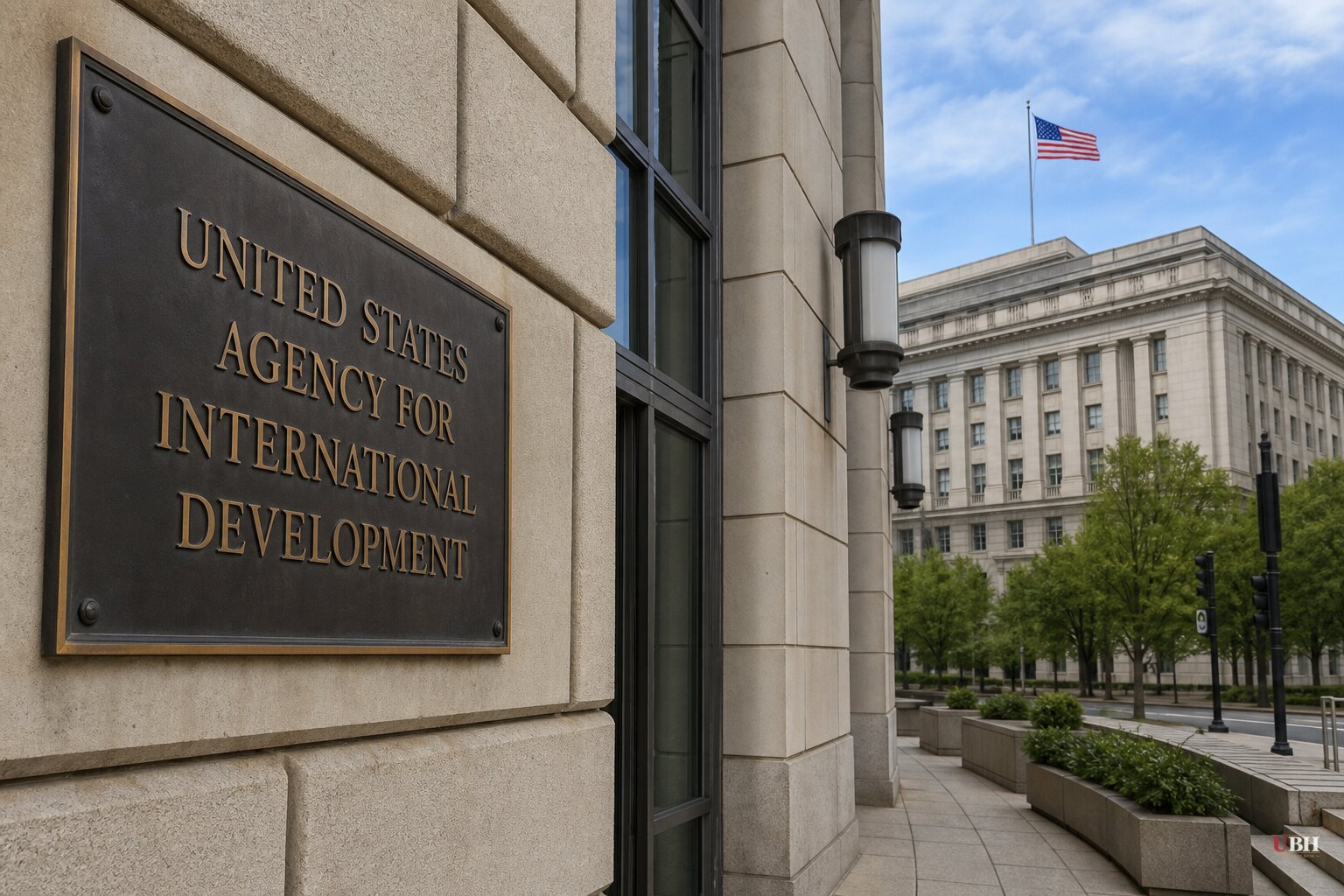
Something has clearly shifted in Latin American politics since 2025. Conservative candidates have won a string of elections across the region, most recently in Colombia, where Abelardo de la Espriella won the presidency on a law-and-order platform of cracking down on cartels and building prisons, according to a column by Steven W. Mosher in the Epoch Times.
Mosher counts the wins: Ecuador's Daniel Noboa held onto power, and the left has since lost ground in Bolivia, Honduras, Chile, Costa Rica, Peru, and now Colombia. Combined with existing conservative governments in El Salvador, Argentina, Paraguay, Panama, and the Dominican Republic, Mosher puts the regional scoreboard at 12 conservative governments to 7 left-wing ones, a reversal from what he describes as a 2-to-1 left-wing advantage during the Biden administration. Cuba, Nicaragua, and Venezuela remain the holdout communist governments, which Mosher says are under mounting economic and military pressure.
The electoral trend itself isn't in dispute. What's contested is why it happened.
Mosher's answer is USAID. He argues that President Donald Trump's shutdown of the U.S. Agency for International Development knocked out what he calls the Latin American left's "chief political organizer and cash cow." Secretary of State Marco Rubio has announced that USAID has officially ceased operations, and the Justice Department has secured guilty pleas from four people in a $550 million USAID fraud scheme, both facts Mosher cites as evidence the agency had become a corrosive political actor rather than a neutral aid provider.
Those two facts are real and documented. USAID is closed. Four people did plead guilty to defrauding the agency out of $550 million, according to the DOJ. What isn't established anywhere in Mosher's column, or backed by any data he cites, is a direct link between USAID's shutdown and specific vote totals in Bolivia, Chile, Peru, or Colombia. No polling, no funding disclosure, no independent analysis is presented tying USAID dollars to any losing left-wing campaign in these elections.
Mosher's own column undercuts his thesis in the same breath he makes it. He writes that elections in Latin America "largely turn on domestic issues, whether a nation's economy is growing or stagnating, whether its people feel secure in their homes or threatened by rising crime rates, whether its current leaders are popular or despised." That's a fair and conventional explanation for why voters in Ecuador, Chile, and Colombia turned on incumbent left-wing coalitions: crime, inflation, and corruption scandals dogged those governments long before Trump took office. Colombia's Gustavo Petro, for instance, spent much of his term battling approval ratings in the 30s amid a stalled peace process with armed groups and clashes with his own cabinet.
Mosher then pivots from that concession to argue that "something bigger is afoot" and that most observers are missing the USAID angle entirely. USAID funded a wide range of programs in the region, including grants Mosher characterizes as supporting gender-ideology and environmental activism in countries like Guatemala and Colombia. Whether that funding meaningfully propped up left-wing political machines, as opposed to funding health, anti-corruption, or civil-society programs with no partisan lean, is precisely the kind of claim that needs independent verification, not a columnist's assertion.
The rightward shift in Latin American elections since 2025 is a documented fact. USAID's closure and the $550 million fraud case are documented facts. The claim that the first caused the second is an argument made by one columnist, resting on inference rather than evidence presented in his own piece.
Data USAID itself hasn't made public since shutting down would settle the question. Specifically, information about which political parties, NGOs, or campaign-adjacent groups in Bolivia, Chile, Peru, and Colombia received USAID funding before the closure, and whether that funding stopped flowing before or after each country's election. Until that accounting exists, the most grounded claim is the one Mosher himself made first: these elections turned on crime, corruption, and the economy, the same things elections everywhere turn on.
Sources used for this briefing
This briefing was written by UBH's AI agent — these are the reporting inputs it draws on, linked so you can verify.


