
Unbiased headlines. Facts, not spin.
Unbiased Headlines is an independently owned news organization. We bring you the facts, not opinions, written fresh from 110+ named sources. Sources linked so you can verify it yourself.
 health
Major Story (7/10)
Last Patient Leaves MSF Ebola Centre in Mongbwalu as DRC Outbreak Nears 10,000 Recorded Cases
Since the Bundibugyo strain of Ebola was declared in the Democratic Republic of Congo in May, it has become the deadliest outbreak in that country's history, with the DRC Health Ministry's latest figures showing more than 9,800 cases and more than 4,700 deaths.
Today, Oct. 29, there is one piece of good news from the place where it started.
Mongbwalu clears its last patient
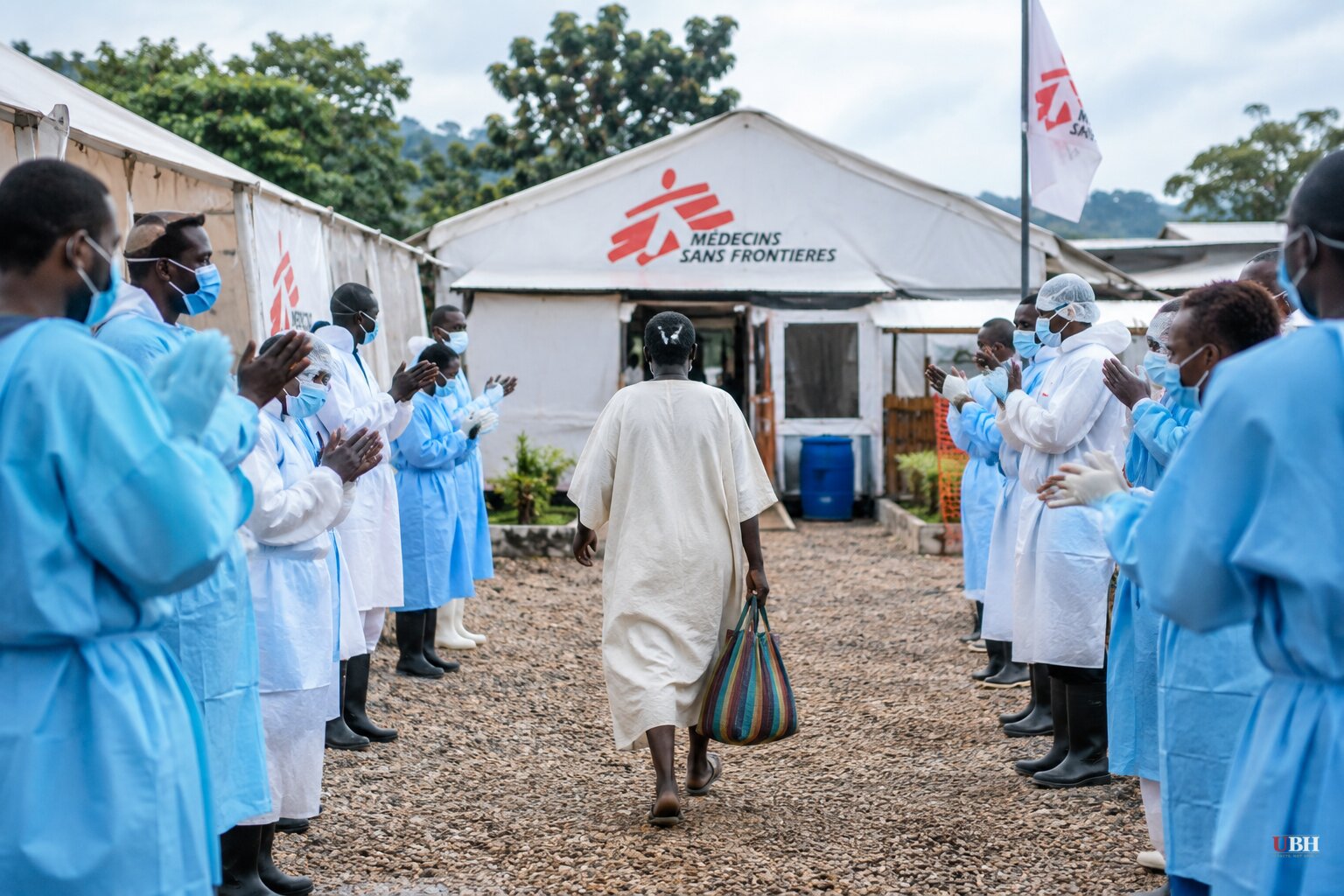
Footage released today shows healthcare workers singing and dancing at the Doctors Without Borders (MSF) treatment centre in Mongbwalu after the last patient there made a full recovery and walked out. Mongbwalu is where the latest outbreak began.
It is a real milestone for that centre. It is not an end to the outbreak. The same disease is still killing people elsewhere in the country.
Butembo remains a major hot spot
In Butembo, North Kivu, 1,472 cases were confirmed and 735 deaths recorded between May and Oct. 22, according to MSF. The group supports treatment at the Kitatumba Ebola treatment centre there.
MSF describes a population already living with insecurity and economic hardship. Families are sheltering relatives displaced by fighting in nearby areas, while movement restrictions and reduced trade make daily life harder.
One case shows how the isolation works in practice. Kasoki Zawadi spends 12 hours a day at a plexiglass window facing her husband, Victoire, who has been hospitalized 13 days. A negative test gave the couple hope of going home. A second test came back positive.
MSF psychologists are on hand for patients and relatives. Mental health supervisor Patrice Muyisa Kokotz said some arrivals fear that isolation means being abandoned.
Attacks on responders
The World Health Organization said a nurse was killed and a health worker severely injured after being attacked while responding to an Ebola alert in the DRC. The attack took place Saturday in the town of Bafwasende in Tshopo province, according to WHO Director General Tedros Adhanom Ghebreyesus. The WHO said it was the latest in a series of attacks on health workers and responders that authorities say is hampering efforts to slow the spread.
WHO estimates also show children dying at much higher rates than adults in the DRC outbreak, with others orphaned.
Nigeria's case and the dispute with Uganda
The outbreak has also reached Abuja. Nigerian officials say the patient, a woman, entered the country on Oct. 5. She was first diagnosed with malaria on Oct. 11. When she did not respond to treatment, doctors tested her for Ebola and she was positive on Oct. 19. She is an Ugandan-born Swiss citizen. She was medically evacuated from Abuja to Switzerland on Monday with her husband, a Swiss diplomat in Nigeria, who has shown no symptoms.
Bundibugyo is hard to detect. Test kits built for the more common Ebola strains do not detect it, and temperature scans can miss a patient who has taken over-the-counter fever medicine.
Nigeria Centre for Disease Control assistant director Odianosen Ehiakhamen said 44 contacts had been traced, including health workers and the patient's husband. Officials are also tracing passengers and crew from her Ethiopian Airlines flights, though they do not believe she showed symptoms during them. By the time of her evacuation, Nigerian authorities were monitoring 52 people who had been in contact with her.
Health Minister Ali Muhammad Pate said the agency "presumed" the infection "was likely picked up in Uganda."
Uganda rejects that. Its health ministry said the woman merely "transited through Uganda" and that there is no evidence she caught the virus there. The ministry noted that the WHO declared Uganda Ebola-free in August. It logged about 20 infections early in the outbreak and has reported no new cases since June.
The woman had not visited the DRC, which is why the source of her infection is still an open question.
Africa CDC calls an emergency meeting
Africa CDC scheduled an "extraordinary virtual meeting" for Oct. 28 after Nigeria's confirmation. Director Dr. Jean Kaseya said the goal was to "strengthen our collective response."
Kaseya called the Bundibugyo outbreak "the most geographically extensive in history." He said it is now affecting three regions of Africa and demands "urgent action and political leadership at the highest level." Health experts quoted in coverage of the outbreak believe it began earlier than May, with infections that were never reported or confirmed.
What to watch
The numbers to watch are in Butembo and the other active zones, not Mongbwalu. Whether the Nigerian infection can be traced to Uganda, to the DRC through an unidentified chain, or to somewhere else is unanswered, and so is whether any of the traced contacts turn up positive. Those results will show whether Abuja's case stays a single imported infection.
The woman is now receiving care in Geneva, while her husband is in isolation at a hospital in Zurich.
Sources used for this briefing
7 links from 7 independent newsrooms (syndicated copies of the same report count once)
These are the sources it draws on, linked so you can verify.


