
Unbiased headlines. Facts, not spin.
Every story is an unbiased news briefing written from 110+ sources across the spectrum — sources linked so you can verify it yourself.
 health
Notable (5/10)
July 18, 2026 at 11:05 AM
health
Notable (5/10)
July 18, 2026 at 11:05 AM
Laos Says It Cannot Determine Cause of Death for Six Tourists in 2024 Methanol Poisoning
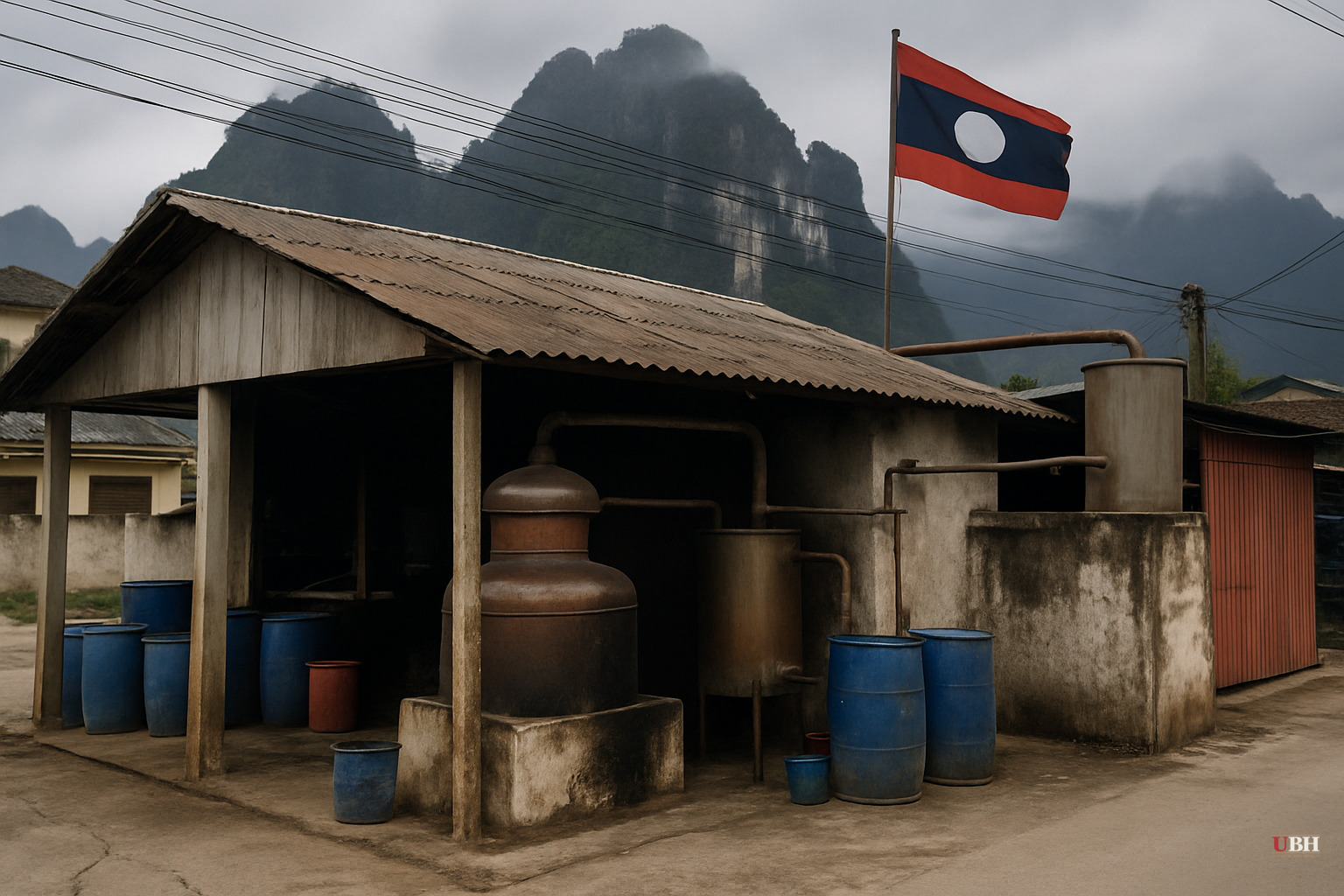
Since six backpackers died in November 2024 after drinking methanol-laced vodka in Vang Vieng, Laos has now issued a formal statement saying it cannot determine who or what caused their deaths.
The Laos Ministry of Public Security said in a statement Saturday that authorities never conducted autopsies on the victims and therefore "lacked the forensic evidence necessary to determine the cause of death," according to the BBC. The ministry said it was not permitted to perform autopsies at the time.
The six who died were Simone White, a 28-year-old from Britain; Bianca Jones and Holly Morton-Bowles, both 19-year-old Australians; Anne-Sofie Orkild Coyman, 20, and Freja Vennervald Sorensen, 21, both from Denmark; and James Louis Hutson, a 57-year-old American. All were linked to a night out in Vang Vieng, a backpacker hub in central Laos, where free shots are believed to have been tainted with methanol.
Methanol is a toxic industrial chemical, normally found in products like paint thinner, that is sometimes illegally mixed into alcohol to cut production costs. It's colorless and tastes similar to drinking alcohol, but even small amounts can kill. Once ingested, it's absorbed into the bloodstream within minutes. As the liver tries to break it down, an enzyme converts it into formaldehyde and formic acid, both of which are highly toxic to the body.
Early symptoms include vomiting, poor coordination and drowsiness. Within 12 to 48 hours, victims can develop abdominal pain, vertigo, blurred vision or blindness, seizures and coma, according to the BBC.
Charges Don't Match the Deaths
Earlier this week it emerged that the distillery owner tied to the tainted vodka is facing charges, but not for the deaths themselves. The charges are for selling food products harmful to health and operating an illegal business, according to the BBC.
Those charges carry a combined maximum penalty of one year in jail and a fine of roughly £829, or about $1,100 USD. That's the total legal consequence on the table right now for six dead tourists.
The Laos ministry did acknowledge that officials found "excessive levels of methanol" in vodka produced by the distillery in question. So the government is on record saying the poison came from that alcohol. It's just not pursuing charges connected to the deaths.
Separately, ten people connected to the Nana Backpacker Hostel, where several victims were staying, were charged earlier this year with destroying evidence. They received suspended sentences and fines of $185 each. Guests at that hostel reportedly failed to check out after falling ill on November 13, 2024.
Australia Pushes Back
The Australian government did not hide its anger. Canberra said it was "deeply frustrated and bitterly disappointed" that more serious charges weren't pursued following the deaths, according to the BBC. Australia's foreign ministry summoned Laos's ambassador in Canberra over the matter.
Summoning an ambassador is a formal protest and signals Canberra doesn't accept Vientiane's explanation as sufficient, especially for the families of Bianca Jones and Holly Morton-Bowles.
The families of the victims have a legitimate grievance. If Laos's own ministry confirms the vodka contained excessive methanol, and a distillery owner is facing charges tied to that same product, the absence of any legal accountability for the deaths themselves is notable. The lack of autopsies makes it harder to prove causation in a courtroom, but it doesn't erase the timeline: people drank tainted alcohol from an identified source and died within days.
At the same time, it's fair to note the practical bind Laos says it's in. Without autopsies performed at the time, prosecutors may genuinely lack the forensic chain needed to charge anyone with homicide or manslaughter under Lao law. That's a system failure, whether due to resources, protocol, or something else the ministry hasn't explained, but it's a different problem than corruption or a cover-up. The sources here don't establish which one it is.
What Happens Next
Last week the British government launched a public campaign warning tourists about methanol risks abroad, a direct response to cases like Vang Vieng. That's a policy step, but it's aimed at future travelers, not accountability for the six who already died.
No new charges tied to the deaths have been announced. Australia has not said what further action it will take beyond summoning the ambassador. Whether the distillery owner's trial produces any additional findings, or whether other governments involved—Britain, Denmark and the U.S.—issue their own formal protests, remains unresolved.
Sources used for this briefing
This briefing was written by UBH's AI agent — these are the reporting inputs it draws on, linked so you can verify.


