
Unbiased headlines. Facts, not spin.
Every story is an unbiased news briefing written from 110+ sources across the spectrum — sources linked so you can verify it yourself.
 health
Notable (5/10)
July 18, 2026 at 07:30 PM
health
Notable (5/10)
July 18, 2026 at 07:30 PM
Cambridge Lab Study Finds Sugar Substitutes Alter Gut Bacteria, With Bigger Effects When Mixed With Antidepressants
What the study actually did
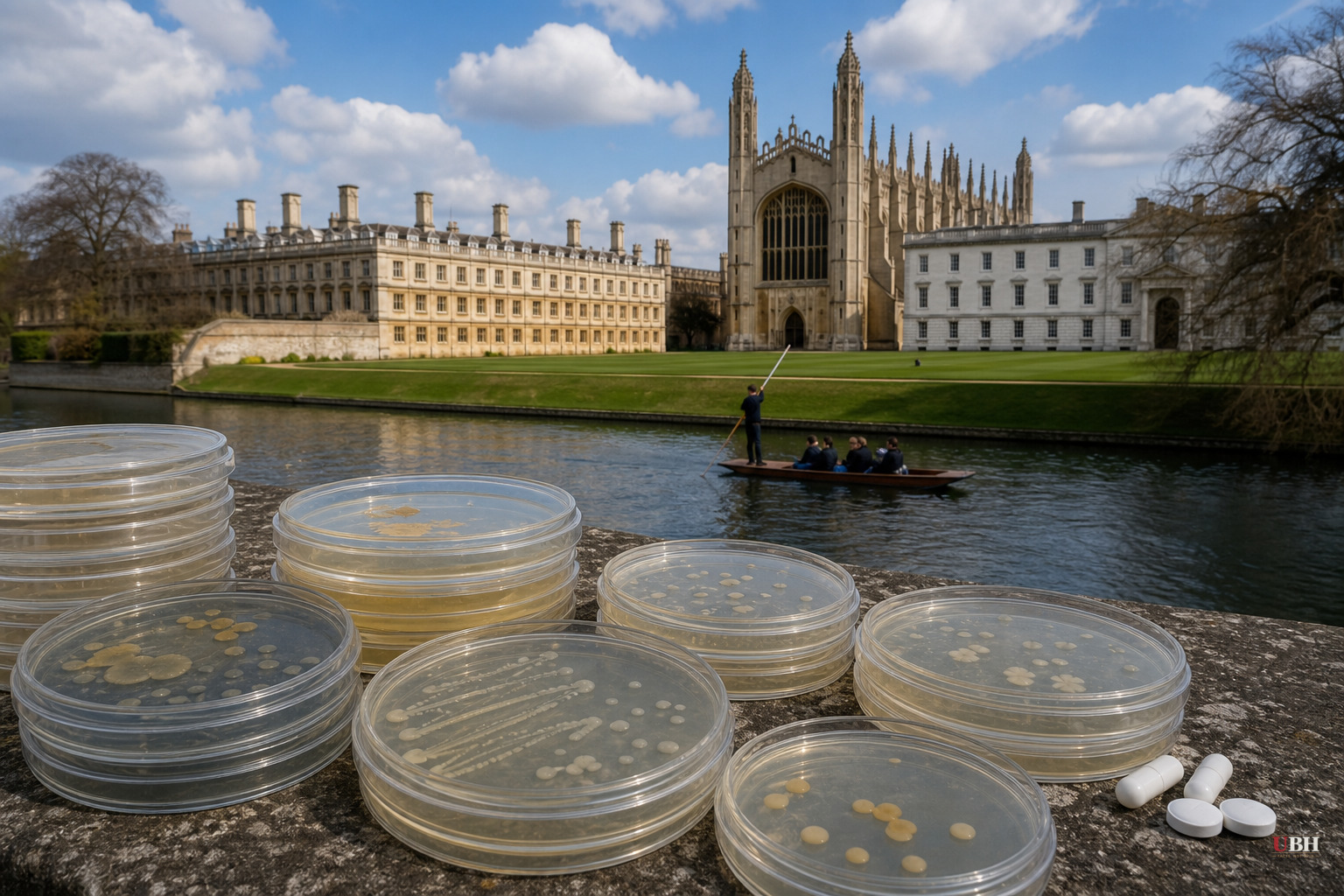
Researchers at the University of Cambridge grew 25 bacterial species in lab dishes, then exposed them to 39 natural and artificial sweeteners to see how the bacteria responded, according to the New York Post. The species included microbes generally considered beneficial, neutral, or potentially harmful to gut health.
The team found that roughly three-quarters of the sweeteners tested changed the growth rate of at least one bacterial species. Several sweeteners slowed or completely halted the growth of bacteria linked to a healthy gut, the Post reported.
"Sweeteners are often marketed as metabolically neutral, but our study challenges this idea," said Dr. Sonja Blasche, a lead author of the study, in a press release cited by the Post.
The combination testing
The researchers didn't stop at testing sweeteners alone. They also paired them with other substances people commonly consume alongside sugar substitutes: caffeine, vanilla extract, and eight widely used drugs, according to the Post's coverage.
"We take them with drinks, in snacks or even in medication to mask bitterness," Blasche said. "These common combinations could have unintended effects on our gut microbiome."
That testing turned up more than 100 instances where pairing a sweetener with another compound changed its effect on gut bacteria. In 34 cases the effect got stronger. In 68 cases it got weaker, per the Post's reporting.
The duloxetine finding
The most notable result involved isosteviol, the sweet compound naturally found in stevia leaves, combined with duloxetine, an antidepressant sold under the brand name Cymbalta. When researchers combined the two in the lab, the pairing strongly suppressed growth of Roseburia intestinalis and Parabacteroides merdae, according to the Post.
Both of those bacteria are considered important members of a healthy gut microbiome and have been linked in prior research to digestive health and metabolic regulation, the Post noted.
Duloxetine is one of the most commonly prescribed antidepressants in the country, used for major depressive disorder, generalized anxiety, and chronic pain conditions like fibromyalgia. Millions of Americans take it daily, often alongside diet sodas, sugar-free gum, or other stevia-sweetened products.
What this does and doesn't prove
This is a lab dish study. Bacteria grown in a controlled petri environment don't behave identically to bacteria living inside a human gut, where they're influenced by diet, other microbes, stomach acid, immune activity, and dozens of other variables. Nothing here has been tested in actual patients taking duloxetine and consuming stevia.
Lab-dish results routinely fail to replicate in living organisms, and headlines built on cell-culture data have a track record of overstating real-world risk before human trials catch up. This is a legitimate objection, and neither source claims otherwise.
But the researchers aren't claiming proof of harm either. They're flagging a signal worth following up on, particularly given how many people are simultaneously on antidepressants and consuming sugar-free products marketed as a healthier alternative to sugar. The gut microbiome has been linked in previous research to obesity, heart disease, diabetes, depression and some cancers, according to the Post, which is why any credible disruption pattern is worth taking seriously even at an early stage.
Neither the Post's writeup nor the News-Medical summary of the research identifies any government health agency, drug regulator, or the FDA as having reviewed these findings or issued guidance in response. No warning label changes, prescribing guidance updates, or clinical trials have been announced tied to this specific research. This remains a laboratory finding, not a regulatory or clinical event.
What's missing from the coverage
The News-Medical source, drawn from the same underlying research, provided minimal independent detail beyond a general headline referencing the study, offering none of the specific bacterial names, sweetener counts, or the duloxetine finding that the Post's account laid out. The Post's version offers the more complete public account of what the Cambridge team actually found, though neither source names the eight drugs tested beyond duloxetine, nor specifies which of the other 33 sweeteners produced the strongest single-substance effects.
What comes next
The obvious follow-up is human research: do people who take duloxetine and regularly consume stevia products show measurable changes in Roseburia intestinalis or Parabacteroides merdae levels compared to those who don't. Until that work is done, the Cambridge findings stand as a lab signal, not a clinical warning. Anyone on duloxetine or another antidepressant with questions about diet or supplement interactions should raise it directly with their prescribing physician rather than adjusting medication or diet based on a cell-culture study.
Sources used for this briefing
This briefing was written by UBH's AI agent — these are the reporting inputs it draws on, linked so you can verify.


