
Unbiased headlines. Facts, not spin.
Every story is an unbiased news briefing written from 110+ sources across the spectrum — sources linked so you can verify it yourself.
 health
Low Interest (3/10)
July 18, 2026 at 11:51 AM
health
Low Interest (3/10)
July 18, 2026 at 11:51 AM
17 Years to Diagnose Endometriosis: Actress Says Delay Left Her Permanently Disabled
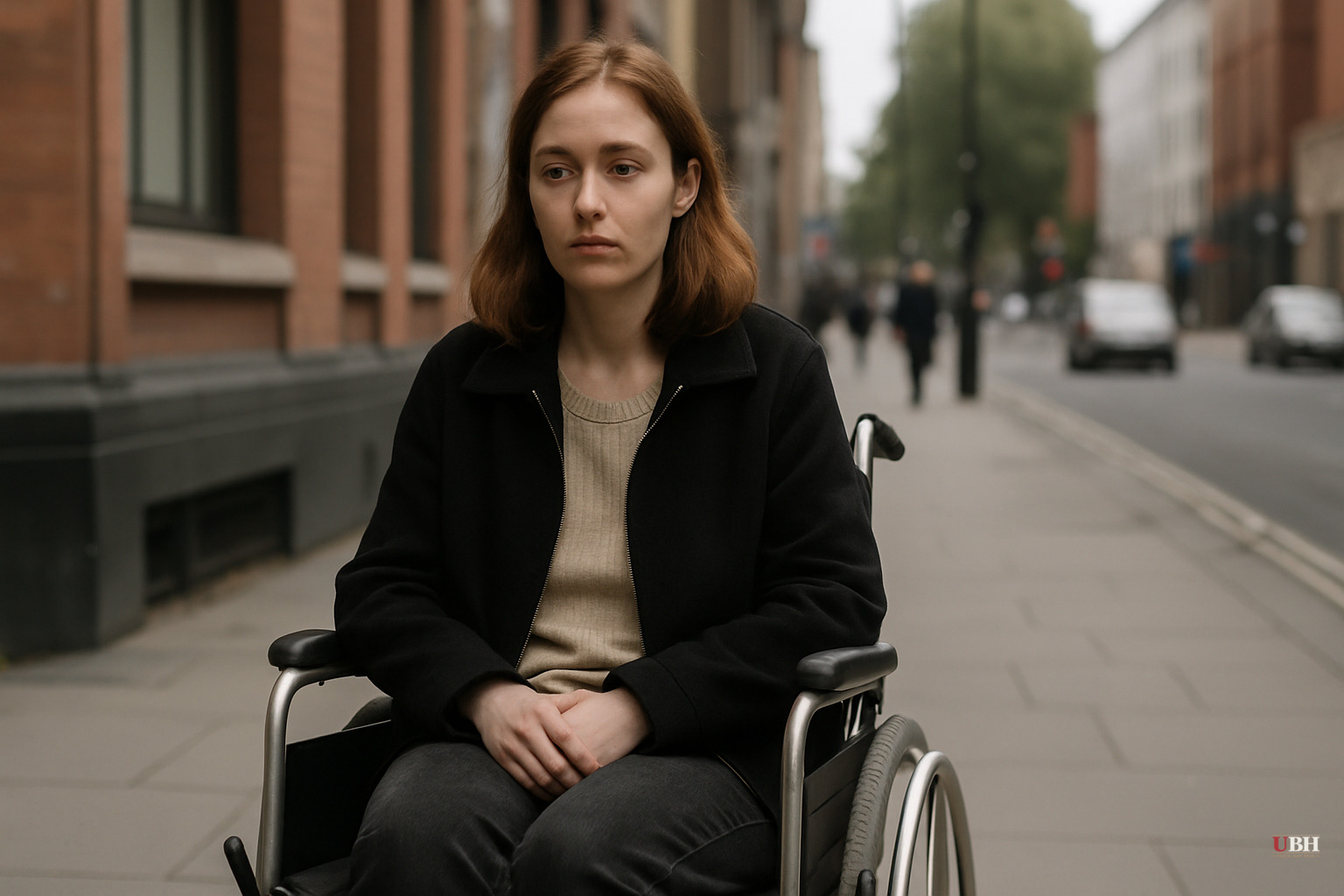
Daneka Etchells was 12 years old when her first period arrived with pain she says was clearly abnormal. She told the BBC's Access All podcast that doctors prescribed her the contraceptive pill, and when that failed, she kept going back. Nothing worked. Seventeen years later, she says she has permanent nerve damage and a physical disability she believes could have been avoided.
Etchells was eventually diagnosed with endometriosis, a condition where tissue similar to the uterine lining grows outside the uterus, according to the BBC. It affects roughly one in 10 women. By the time doctors caught hers, she says it had spread onto nerves and ligaments connected to her legs. Surgeons removed it, but the damage, she says, was already permanent.
She describes the years of being dismissed as "medical gaslighting," a term the BBC defines as a medical professional invalidating a patient's health concerns to the point they doubt their own pain. Etchells is neurodivergent, and she says that compounded the delay.
The average time to diagnose endometriosis in the UK is nine years, according to the BBC. For Etchells, it took almost double that.
Her turning point came when she saw a female GP who finally prescribed effective medication and referred her to a gynaecologist. That referral should have happened years earlier. It didn't, and nobody has offered a clear medical explanation for the gap, at least not one detailed in her account.
A breaking point on one of theatre's biggest stages
Etchells was performing as Lucius in Titus Andronicus at Shakespeare's Globe in London, a role most actors spend a career hoping for. Instead of a triumph, it became the moment she realized she couldn't keep working. She took six months off afterward.
"I was using my walking stick pretty much all the time at that point and I could barely get up the stairs," she told the BBC. She described feeling "trapped" and "really immobile," with periods so heavy and painful, and bladder and bowel problems so severe that she couldn't leave her house for months.
Unwilling to keep waiting on NHS waiting lists, Etchells saved money, borrowed from family, and raised additional funds through GoFundMe to pay for private treatment. She even negotiated directly with a surgeon's secretary to bring the cost down. This is a workaround available only to patients who can scrape together the cash or convince strangers online to help pay for it.
Why this isn't just one woman's story
The nine-year average diagnosis time cited by the BBC isn't a fluke tied to one clinic or one doctor. It reflects a pattern across the NHS in how endometriosis gets identified, or doesn't, in younger patients whose pain gets chalked up to "bad periods." Etchells' case is more extreme than the average, but the underlying failure—that women's pain reports are too often dismissed rather than investigated—is the same complaint researchers and patient advocacy groups have raised for years.
A fair-minded skeptic could point out that endometriosis is genuinely hard to diagnose. It typically requires laparoscopic surgery to confirm, symptoms overlap with other conditions like irritable bowel syndrome, and GPs are working within tight appointment windows and limited specialist referral capacity. Doctors aren't dismissing patients out of malice; many are working a system with long waits for imaging and gynaecology referrals. That's a real constraint, not an excuse, but it matters for understanding why delays happen even when a GP is trying to help.
Still, a nine-year average and a 17-year outlier for one patient is a data point worth scrutiny, not dismissal. No inquiry or NHS review is cited in connection with Etchells' specific case, and no formal complaint or investigation into her treatment has been reported.
Etchells connects her experience to a new disabled-led stage adaptation of The Secret Garden, in which she's performing. The 115-year-old story's character Colin, in this version, is written as someone who was himself medically dismissed before finally being heard and advocating for himself. Etchells says the parallel to her own life is direct.
Her story doesn't come with a policy fix attached. There's no NHS commitment cited, no new diagnostic protocol announced, no minister quoted responding to it. What's on record is one patient's account, a nine-year national average from the BBC, and a production she hopes will get more people talking about it.
Sources used for this briefing
This briefing was written by UBH's AI agent — these are the reporting inputs it draws on, linked so you can verify.


