
Unbiased headlines. Facts, not spin.
Every story is an unbiased news briefing written from 110+ sources across the spectrum — sources linked so you can verify it yourself.
 health
Notable (5/10)
July 19, 2026 at 03:47 AM
health
Notable (5/10)
July 19, 2026 at 03:47 AM
Endometriosis Is Pushing Women Out of British Workplaces, Inquiry Told
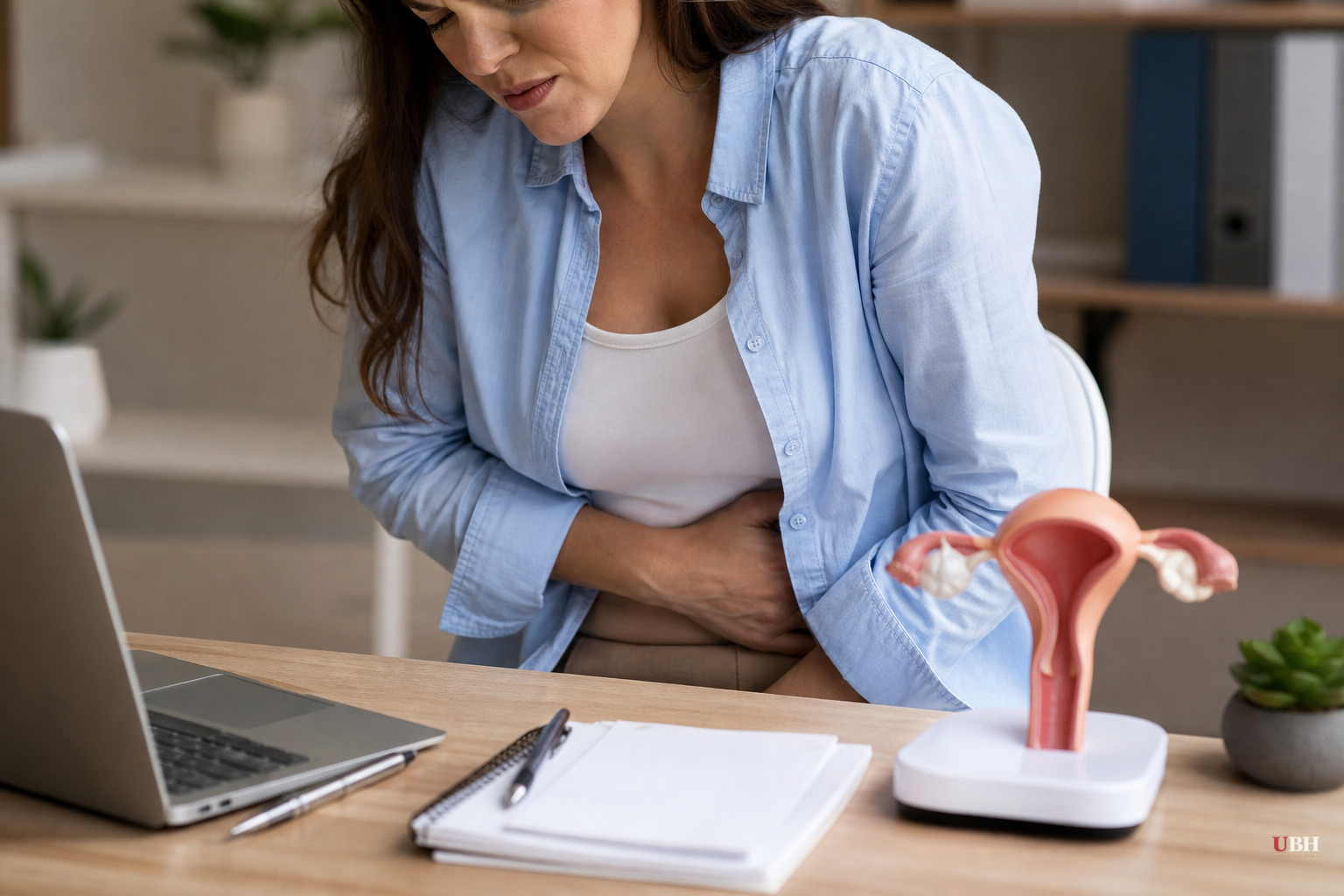
Carla Cressy started her periods at 13 and spent the next 12 years in and out of hospitals before anyone figured out why. Doctors removed her appendix by mistake, thinking she had appendicitis. She was hospitalized repeatedly for what she was told was chronic constipation and a stomach bug. She wasn't diagnosed with endometriosis until she was 25, according to the BBC.
By then it was too late to catch early. The disease, in which tissue similar to the womb lining grows outside it, had progressed into what's called frozen pelvis, where organs fuse together. Cressy needed bladder reconstruction and a total hysterectomy. She froze her eggs beforehand, but she can no longer carry a pregnancy and would need a surrogate if she wants biological children, she told the BBC.
Cressy, now 35 and living in Essex, worked as a child model from age 5 to 17 but kept collapsing on shoots. She eventually retrained as a beauty therapist, telling the BBC she felt "unemployable and unreliable" because of her health. Even then, she says she'd sit in a scalding bath between clients just to manage the pain enough to keep working.
A common disease, still routinely missed
An estimated one in six women with endometriosis leave the workforce entirely because of it, according to the BBC's reporting. Cressy says that when she was diagnosed a decade ago, doctors told her she was too young for it and that it was rare. "We now know that it is absolutely not rare," she says.
Abi Smith, 27, of Lowestoft, has a similar story. She was given a gut-health yogurt by doctors at age 10 for pelvic pain. When her periods started shortly after, she told the BBC the pain made her feel like she was dying. Working at a post office, she says she'd be hunched over serving customers, running to the bathroom every few minutes, and vomiting into a bin during shifts. She wasn't diagnosed until she was 21, and says doctors failed to take her seriously.
Both women gave evidence to an ongoing UK parliamentary inquiry examining how endometriosis and other menstrual health conditions affect women at work. There is currently no UK legislation requiring employers to provide time off, flexibility, or other accommodations specifically for menstrual health conditions.
What the inquiry is actually being asked to fix
Employers have legitimate concerns about open-ended sick leave mandates tied to a condition that's hard to diagnose objectively and varies wildly in severity from woman to woman. A blanket legal entitlement risks being difficult to administer fairly, and businesses, especially small ones, have a reasonable interest in predictable staffing and clear rules rather than a vague standard applied case by case.
The diagnostic failure documented here isn't a policy dispute, it's a medical one. Cressy had an organ removed based on a wrong diagnosis. Smith was fobbed off with yogurt as a 10-year-old and waited over a decade for a diagnosis. Neither case involves a gray area about whether the pain was real. Psychotherapist Dr Sula Windgassen, who treats women with the condition, says patients are often told their symptoms are "all in their head," and describes women whose pain goes "beyond 10 out of 10, where all they can do is lie down and endure it."
The inquiry's real challenge will be whether it produces something concrete: a statutory right to workplace flexibility, faster NHS diagnostic pathways, or just another report that sits on a shelf. The BBC's coverage names the inquiry but doesn't specify which committee is running it, when it's expected to report, or what remedies are actually on the table beyond the women's personal testimony.
Cressy has since founded The Endometriosis Foundation, a charity that grew out of online support groups she started while bedridden after her hysterectomy. She says the goal now is making sure the next 13-year-old with symptoms doesn't wait more than a decade, and doesn't lose her organs, her fertility, and her job before anyone takes her seriously.
Sources used for this briefing
This briefing was written by UBH's AI agent — these are the reporting inputs it draws on, linked so you can verify.


