
Unbiased headlines. Facts, not spin.
Unbiased Headlines is an independently owned news organization. We bring you the facts, not opinions, written fresh from 110+ named sources. Sources linked so you can verify it yourself.
 health
Major Story (7/10)
Event date: October 29, 2026 ·
Labor Department finalizes rule requiring PBMs to disclose fees and compensation to self-insured employers
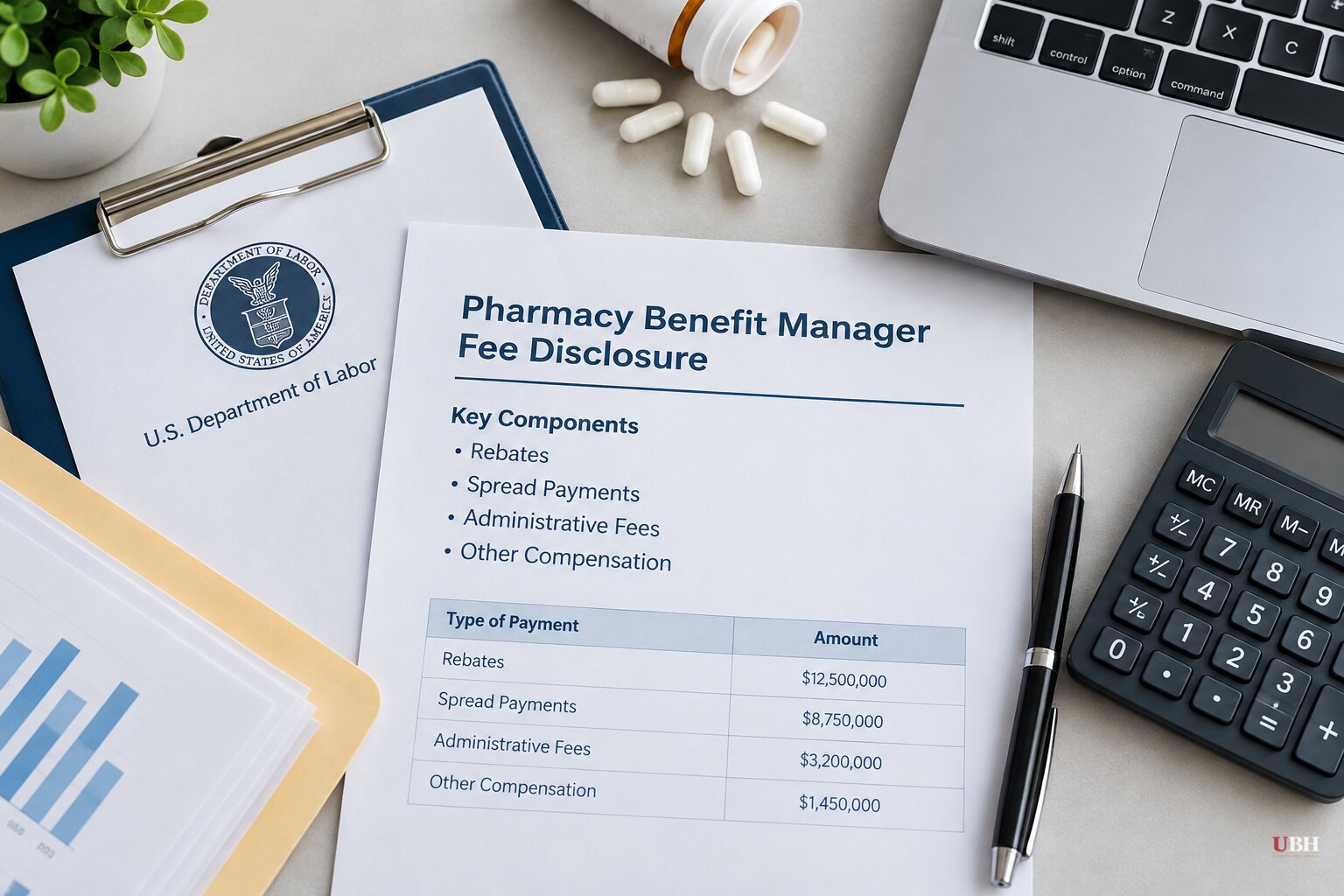
The Department of Labor finalized a rule Thursday, Oct. 29, that requires pharmacy benefit managers to tell their employer clients exactly how they get paid.
The rule, issued by the department's Employee Benefits Security Administration, covers PBMs that serve large, self-insured group health plans under ERISA. It is scheduled for publication in the Federal Register on Nov. 2, 2026. Compliance begins July 1, 2027.
What PBMs now have to disclose
PBMs must report the money they receive from drugmakers, pharmacies and other parties in the supply chain. That includes manufacturer rebates and "spread" payments, which a PBM keeps when the plan pays more for a drug than the PBM reimburses the pharmacy. It also covers payments clawed back from pharmacies for dispensed drugs, and compensation flowing to affiliated brokers and consultants.
The disclosures are due when a contract is negotiated or renewed, and then every six months. Employers get the right to audit the data once a year.
The penalties are significant. PBMs that don't comply face financial penalties and possible invalidation of their contract.
The rule applies only to self-insured plans, typically larger businesses that pay their own health claims.
Why the Trump administration says it matters
President Trump signed an executive order in April 2025 directing the department to improve employer visibility into PBM compensation. The Labor Department proposed the rule in early 2026, and public comments closed March 31.
"For most employers, healthcare is the second-largest operating expense," said Daniel Aronowitz, head of the Employee Benefits Security Administration, during a livestreamed announcement. "Prescription drugs are [the] fastest growing piece... But employers may not see how much of that spending their PBMs keep, or how those PBMs make their money."
Labor Secretary Keith Sonderling called it "a win for every American worker who has ever paid too much at the pharmacy counter." He accused PBMs of "pocketing hidden fees while workers and employers were left in the dark." That is the administration's characterization. The rule itself requires disclosure and does not allege that any fee was improper.
The Department of Health and Human Services projects the rule will save health plans and enrollees more than $800 million a year through lower drug prices. Over 10 years, the savings could reach up to $22 billion. Those are government estimates.
The cost pressure is real. Advisory firm WTW expects employer drug costs to jump 11.5% in 2026, up from 9% the year before. A KFF report released last week found that just under half of large employers say they get sufficient insight into what drugmakers pay their health plan or PBM.
Employers cheer, PBMs object
Employer groups welcomed the rule. "Large employers pay for their workers' prescriptions, but many can't see how much of that money their PBM and any affiliated entity keeps," said James Gelfand, president and CEO of the ERISA Industry Committee. "Employers will be able to check the numbers, ask hard questions, and hold their vendors accountable to the contract."
The PBM industry is on the other side. The Pharmaceutical Care Management Association, its leading lobbying group, asked the department in March to rescind the proposal. Its argument: Congress had since passed PBM reforms in the Consolidated Appropriations Act of 2026, and the new rule would layer duplicative reporting and disclosure requirements on top.
That law requires PBMs to pass through 100% of rebates, fees and other remuneration from manufacturers to ERISA plans. It also limits Medicare Part D PBM compensation to bona fide service fees.
PCMA President David Marin said Thursday the group is "extremely concerned that it will lead to higher patient costs and less competition, the opposite of the Department's stated intent." He said the department made "modest efforts to harmonize the rule with the recently enacted" law.
PBMs also say they save their clients significant money by negotiating discounts, which is the core of their business case.
The Labor Department says the rule complements the congressional reforms. It also includes compliance guidance for other service providers that must report fees to group health plans under the 2026 law.
A concentrated market
The stakes are large because the market is concentrated. UnitedHealth Group's Optum Rx, CVS Health's Caremark and Cigna's Express Scripts together handle about 80% of U.S. prescriptions. Each is owned by or integrated into a large insurer.
That structure is the source of the conflict-of-interest concerns the department cites. The same corporate family can sit on the insurance side, the PBM side and the pharmacy side of a transaction.
The rule gives employers information. It does not cap fees, set prices or break up the companies. Whether lower costs follow depends on whether employers use the data, and whether PBMs change what they charge once clients can see it.
The rule leaves one question open: how it will mesh with the 2026 law's pass-through requirement, which PCMA says already covers much of the same ground. The department says the two work together. The first disclosures are due when the rule takes effect on July 1, 2027.
Sources used for this briefing
7 links from 7 independent newsrooms (syndicated copies of the same report count once)
These are the sources it draws on, linked so you can verify.


