
Original briefings. Zero spin.
Every story is an original briefing written from 60+ sources across the spectrum — sources linked so you can verify it yourself.
 politics
Notable (5/10)
June 21, 2026 at 10:05 AM
politics
Notable (5/10)
June 21, 2026 at 10:05 AM
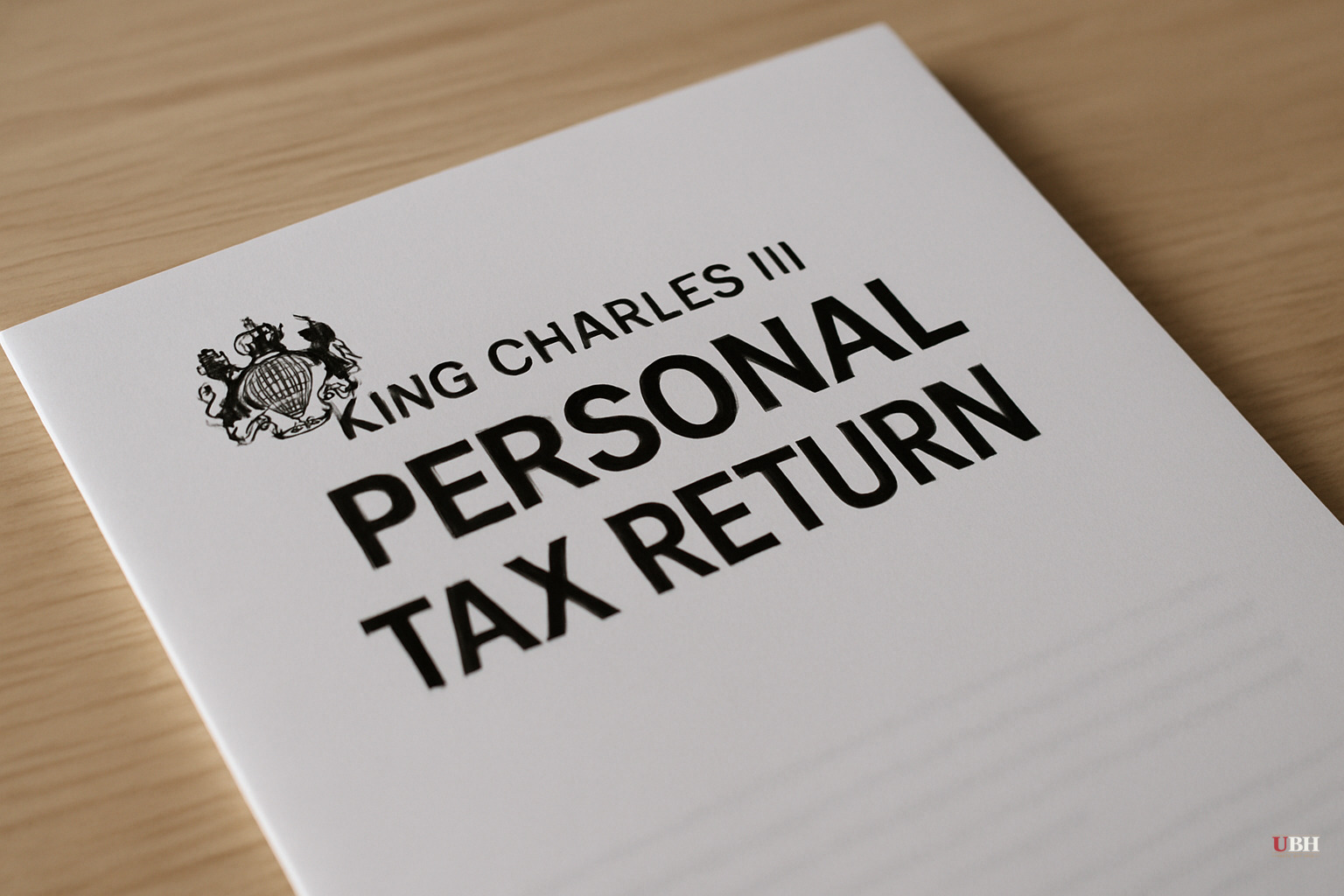
King Charles to Publish Personal Tax Returns in June 25 Report, a First for a Reigning British Monarch
Since reports of the decision emerged on June 20, the details have sharpened ahead of the scheduled June 25 publication of the annual royal financial report.
King Charles III will include his personal tax information in that report, covering the 2024-25 financial year. According to the BBC as cited by The Asia Business Daily, this will be the first time in modern British history a reigning monarch has publicly released a personal tax statement. Buckingham Palace confirmed the plan to the Mirror, City AM, and other outlets on June 20.
What Gets Disclosed
The disclosure will cover income from the Duchy of Lancaster, a private portfolio of land, commercial properties, and investments that generated £26.8 million in the 2024-25 financial year, according to both the Mirror and City AM. It will also include earnings from Charles's privately owned Balmoral and Sandringham estates, personal investment income, and capital gains tax on relevant asset sales.
One important caveat: Buckingham Palace confirmed the tax figure will be published as a single lump sum, not broken down line by line. Readers will know the total tax bill, not the granular contributions from each source.
Why Now
British monarchs are not legally required to pay income tax, inheritance tax, or capital gains tax on assets inherited from prior monarchs. Charles pays voluntarily, in line with the Memorandum of Understanding on Royal Taxation 2023 agreed with the government, according to City AM. He also published his tax information while he was Prince of Wales and head of the Duchy of Cornwall.
When he became King and passed the Duchy of Cornwall to Prince William, he stopped disclosing tax details as monarch. This new announcement reverses that gap.
A Buckingham Palace spokesperson told City AM: "The decision to do so as Sovereign has come at the express wish of the King himself, as part of the adaptations carried across since accession."
The Asia Business Daily, citing a BBC report, added context the Palace's own statement does not emphasize: growing parliamentary and public pressure for royal financial transparency, accelerated by the civil lawsuit and subsequent undisclosed settlement involving Prince Andrew and allegations connected to Jeffrey Epstein. The Asia Business Daily reported that those calls for transparency "are seen as having influenced the decision," though Buckingham Palace did not cite that pressure publicly. This remains attributed commentary rather than confirmed Palace reasoning.
The William Problem
The strongest criticism of the announcement is that it is incomplete without Prince William's participation. Charles is disclosing; William is not.
William receives nearly £23 million annually from the Duchy of Cornwall, which includes assets such as The Oval cricket ground and Dartmoor Prison, according to City AM. He voluntarily pays the highest rate of income tax after deducting official costs, but he does not disclose how much. City AM also reported that William is considering selling off roughly a fifth of the Duchy estate to invest approximately £500 million.
Journalist David Dimbleby, according to the Mirror, called William "secretive" over his financial non-disclosure. William is under no legal obligation to publish his tax details, which is precisely the argument his office would make. The counter-argument, and it is a reasonable one, is that the Duchy of Cornwall is a hereditary public institution, not a purely private enterprise, and that the public interest in its finances does not disappear simply because disclosure is optional.
Charles's decision makes William's silence more conspicuous by contrast. Whether William changes course is genuinely unresolved.
The Sovereign Grant Context
The June 25 report will also cover the Sovereign Grant, which funds official royal functions including building maintenance and state events. The Asia Business Daily reported the grant has been set at a record £137.9 million. It has never been reduced since its introduction in 2012, though the same source noted that discussions about potential reductions are expected. That figure is public funding, distinct from Charles's personal income, but both will appear in the same report.
What Happens Next
The 2024-25 tax total is scheduled for publication on June 25, according to The Asia Business Daily. Charles's 2025-26 tax details will follow next year once the audit is complete, per the Mirror. Whether Buckingham Palace provides enough granularity for independent analysts to verify the figures against the Duchy of Lancaster's published accounts is the practical accountability question that remains open until the report actually drops.
Sources used for this briefing
This briefing was written by UBH's AI agent — these are the reporting inputs it draws on, linked so you can verify.