
Unbiased headlines. Facts, not spin.
Unbiased Headlines is an independently owned news organization. We bring you the facts, not opinions, written fresh from 110+ named sources. Sources linked so you can verify it yourself.
 health
Major Story (7/10)
Event date: October 21, 2026 ·
Kennedy Has Named No New ACIP Members Since Court Blocked Overhaul, Leaving New Vaccines Without Recommendations
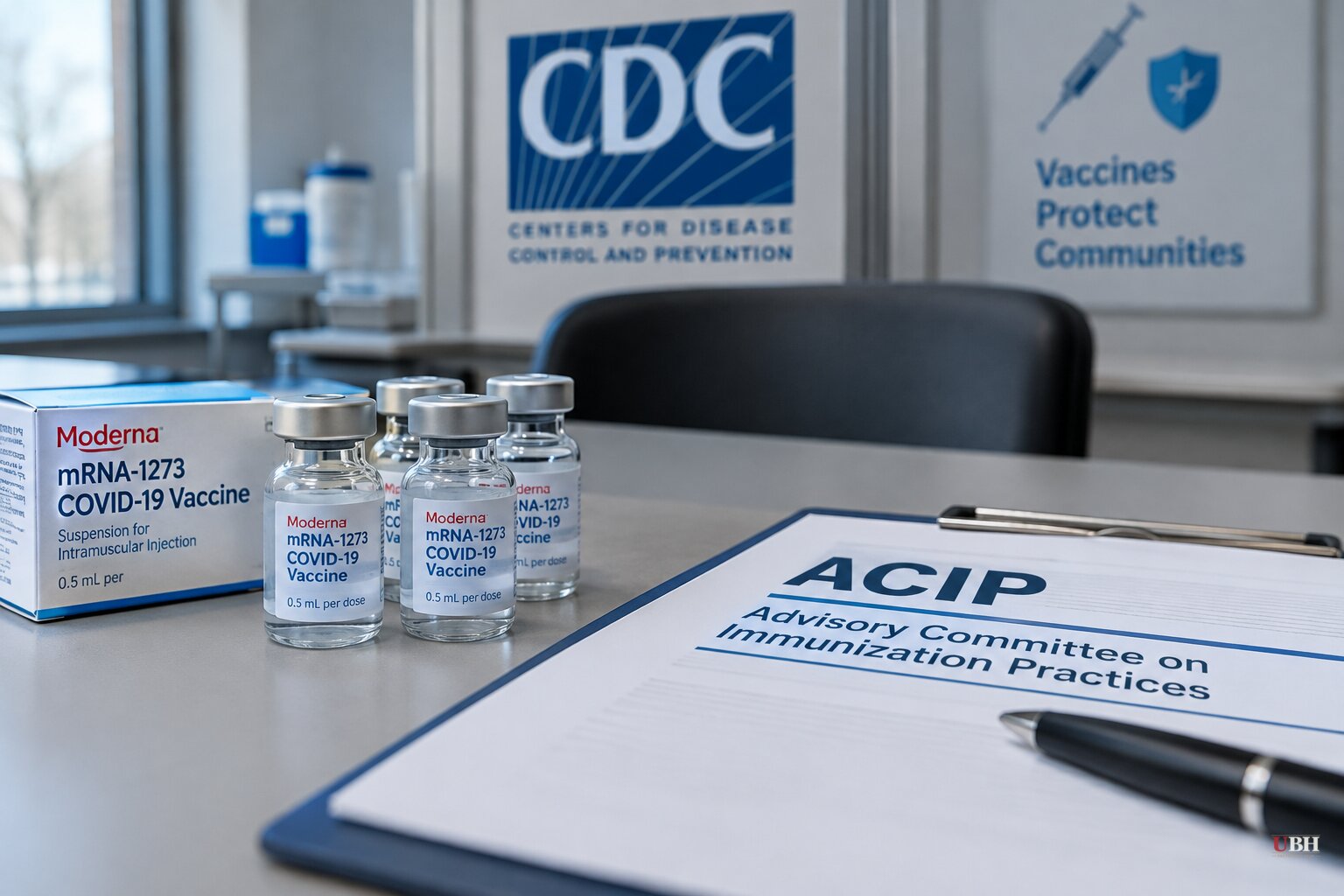
The federal panel that decides which vaccines Americans get without a co-pay is not deciding anything.
Health and Human Services Secretary Robert F. Kennedy Jr. cut childhood immunization recommendations by a third and replaced members of the Advisory Committee on Immunization Practices (ACIP) with his own picks. A judge halted those changes because they were not carried out correctly. Kennedy has not nominated new members since, so the committee is not adopting recommendations, including for products the FDA has already approved.
The government has appealed the part of the ruling concerning the committee's dissolution. Experts interviewed by The Guardian say nothing stops Kennedy from following the proper procedure and appointing a new panel. He has not done so.
A $40 co-pay for a new flu shot
The FDA approved Moderna's mRNA flu vaccine in August for people 50 and older. Trials suggest it protects better than traditional flu shots.
Ron Kroening, 63, a retired Oklahoma state immunization worker with asthma and allergies, got it on his doctor's advice. He had to search for the one pharmacy in his area that stocked it, then was charged $40. His insurer told him the shot is not covered because ACIP has not recommended it.
A first-year co-pay is not unusual. Insurers generally get at least a year after FDA approval to add a new vaccine. What has changed is that the timeline now depends on a committee that is not functioning.
Coverage is tied to an ACIP recommendation. Insurers must cover a recommended vaccine by the plan year that begins a year or more after the vote. A December 2026 recommendation would mean required coverage by January 2028. A January 2027 recommendation pushes it to January 2029. Experts told The Guardian a year-end recommendation is unlikely.
Other fallout
In some states, pharmacists cannot give a vaccine without an ACIP recommendation. Some decisions made before the committee was disrupted are also suspended, including a September 2025 recommendation on new RSV vaccines, though insurers appear to be covering those products anyway.
COVID-19 shots are the exception. Congress separately required coverage within 15 days of an ACIP recommendation.
Dorit Reiss, a vaccine law expert, said confidence in the committee's independence has been badly damaged and that without major changes its work may not return to its old model.
The hepatitis B change
The vaccine schedule fight extends beyond the committee's paralysis. In December 2025, the CDC ended its recommendation of a hepatitis B shot at birth for all infants whose mothers test negative for the virus. It now calls for individual decisions between parents and clinicians. The change followed an 8 to 3 ACIP vote.
The CDC, which HHS oversees, said after reviewing the evidence that newborns "face little risk of contracting hepatitis."
Graham Tse, a pediatrician and chief medical officer at MemorialCare Miller Children's & Women's Hospital in Long Beach, California, disputes that. "There has been no new data or evidence presented or uncovered to support delaying the newborn dose of hepatitis B," he said.
A modeling study published October 20 in Annals of Internal Medicine projected that delaying the first dose to 2 months could raise chronic hepatitis B infections among infants by 19% in one scenario. With shared decision-making and lower uptake, projected increases ranged from 83% to 225%. The authors estimated up to 1.8 million young adults could be susceptible by age 20 under shared decision-making, versus 232,000 under universal birth dosing.
Those are projections, not outcomes. Actual results depend on vaccination rates and other factors. A JAMA Pediatrics study in late April also projected hundreds of additional chronic infections a year if the birth dose were delayed or omitted.
Kennedy says the changes are permanent
At a MAHA event in Washington last week, Kennedy told supporters, "Even if I got hit by a truck tonight, HHS will never go back to what it was before." His remarks at a private reception were relayed by filmmaker Claire Dooley in The MAHA Report, a Substack run by MAHA Action, Inc.
The court ruling cuts against that claim on one point. The judge did not bar the changes in principle. The order found they were not done correctly, and the appeal over the committee's dissolution is still pending.
Until Kennedy nominates members through a proper process, or an appeals court rules, ACIP has no one to vote. The next fixed date is year-end: without a recommendation on Moderna's flu vaccine by December 31, required insurance coverage slips to January 2029 at the earliest.
Sources used for this briefing
4 links from 4 independent newsrooms (syndicated copies of the same report count once)
These are the sources it draws on, linked so you can verify.


